

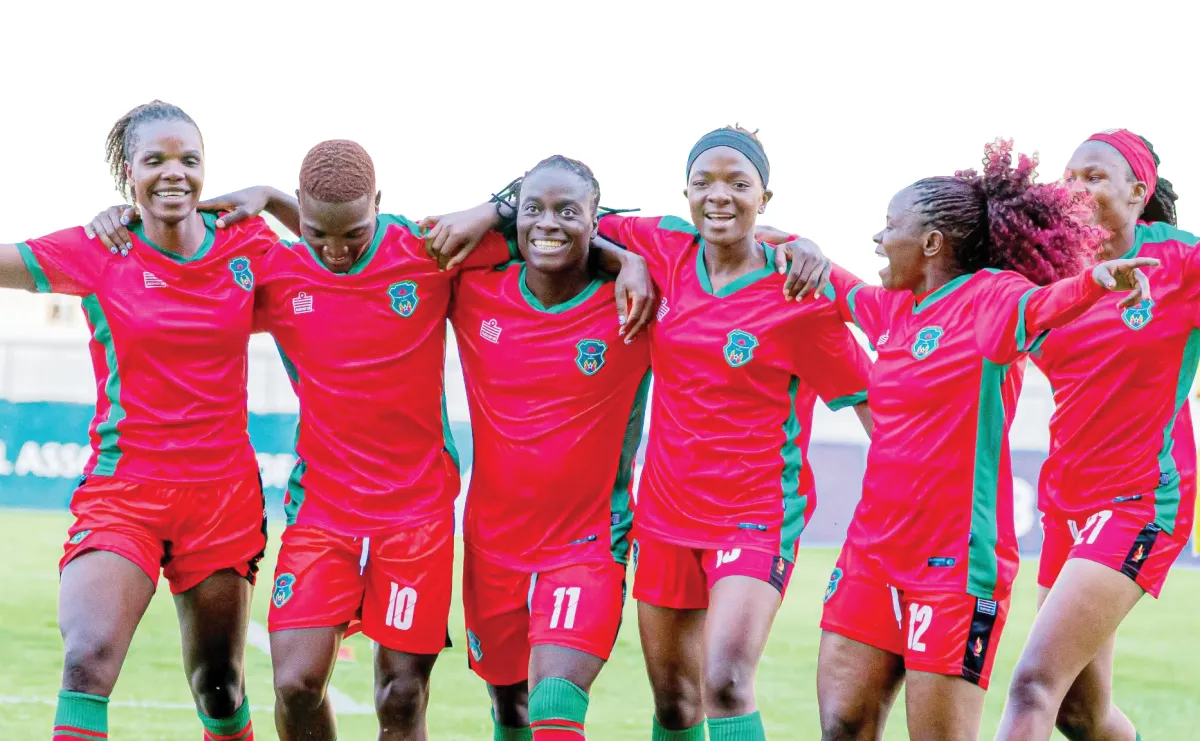
The Scorchers have been handed a financial lifeline that could redefine their ambitions on the global stage. The Malawi Women’s national team has secured $2.5 million (approximately K4.3 billion) in preparations funding for the 2027 FIFA Women’s World Cup in Brazil, a decision approved by the FIFA Council’s Bureau during its recent meeting in Zurich. This allocation—more than 17 times their previous season’s budget—marks a seismic shift in support for African women’s football, directly tied to the team’s recent progress.
The funding surge follows the Scorchers’ historic run to the WAFCON final in Morocco, where they finished as runners-up. Their performance underlined their growing competitiveness, a factor that likely influenced FIFA’s allocation strategy. While the exact breakdown of expenditures remains undisclosed, the injection of resources will prioritize infrastructure, coaching, and player development—a critical step for a nation still navigating the challenges of hosting and competing at the highest levels. The K4.3 billion allocation, though substantial, also reflects the broader disparity in funding between men’s and women’s football, even as FIFA continues to expand its investment in the latter.
For the Scorchers, this is more than financial aid; it’s a validation of their potential. The team’s journey to the WAFCON final demonstrated resilience against stronger opponents, and the funding will now allow them to target sustained improvement rather than mere survival. The 2027 World Cup in Brazil presents a rare opportunity for African teams to compete on home soil, and the Scorchers’ new resources could position them as contenders in a tournament where every edge matters. Yet the challenge remains: translating preparation into performance on the pitch, where tactical depth and consistency often outweigh raw funding.
The decision also signals FIFA’s growing recognition of the Scorchers’ role as ambassadors for women’s football in Africa. While the $2.5 million pales in comparison to the budgets of top-tier nations, it represents a strategic bet on the continent’s rising talent. The funding will likely be directed toward scouting, medical support, and logistical readiness—areas where many African teams struggle. For Malawi, this is not just about qualifying for Brazil; it’s about building a sustainable pathway for future generations, where the legacy of the Scorchers extends beyond 2027.
The timing of this announcement, just weeks before the FIFA Council’s formal approval, suggests a deliberate effort to align financial support with on-field achievements. The WAFCON final was a turning point, proving that with the right resources, the Scorchers can challenge the established order. Now, the question is whether this funding will translate into a World Cup campaign that matches their recent promise—or if the pressures of international football will expose gaps that money alone cannot fill.



