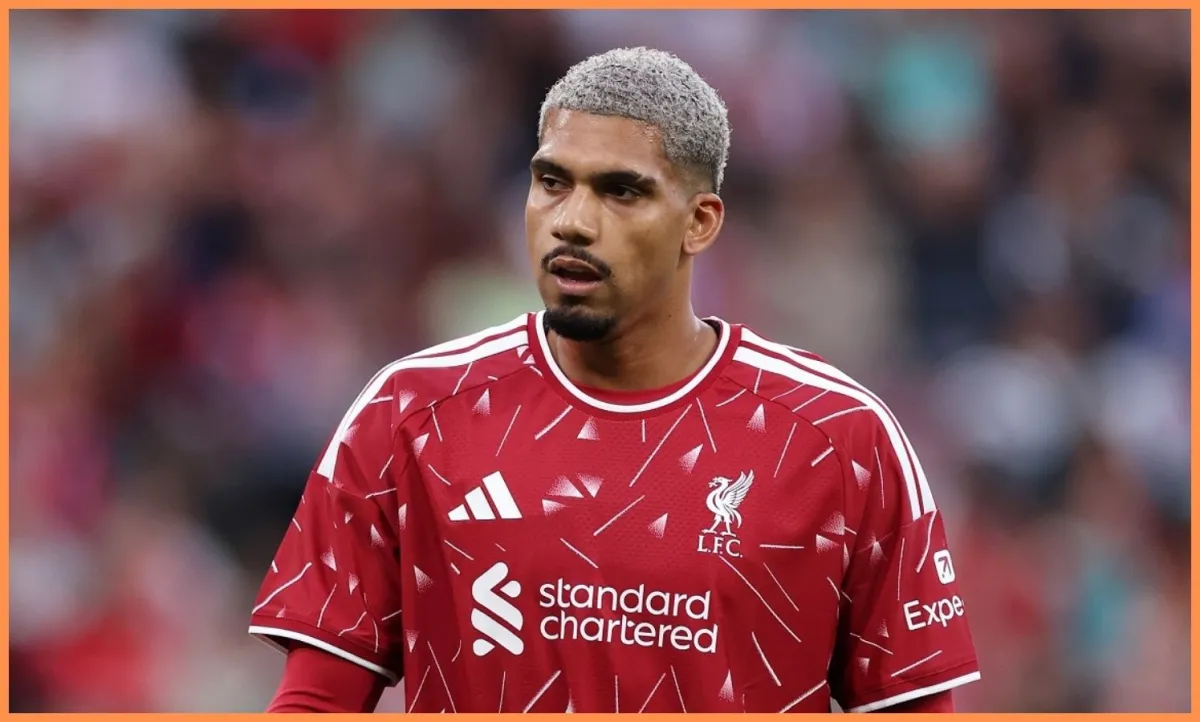
Liverpool’s pursuit of Ronald Araújo was never about filling a void—it was about seizing an opportunity. The Uruguayan defender’s loan deal, complete with a €55 million option to buy, arrives at a critical juncture for the Premier League champions. Araújo’s arrival at Anfield follows a rapid-fire sequence of events in Barcelona, where his future at the Camp Nou was abruptly reconsidered after a brief conversation with the club’s sporting director. The decision to loan him out—with Liverpool covering his full salary—reflects both Barcelona’s financial relief and Liverpool’s tactical imperative to reinforce a backline still recovering from injuries.
Araújo’s profile fits Liverpool’s immediate needs. At 27, with 213 first-team appearances for Barcelona since 2019, he brings a blend of experience and adaptability. His ability to play as both a central defender and at right-back—covering for Conor Bradley, whose knee injury will keep him out for the opening months—makes him a plug-and-play solution. Yet the deal’s structure has sparked debate. Liverpool rarely execute season-long loans with buy options, and the €55 million figure, while substantial, is framed as a potential long-term investment rather than an outright purchase. The Reds’ decision to absorb Araújo’s salary—one of Barcelona’s highest—suggests they view this as a trial period to assess his Premier League readiness before committing permanently.
The timing of Araújo’s move underscores the fluidity of modern football transfers. His departure from Barcelona came just days after Andoni Iraola approved the loan, with the Uruguayan’s agent meeting with Deco to finalize the terms. Liverpool’s summer signings—Jérémy Jacquet and Víctor Muñoz—have already laid the foundation for a deeper backline, but Araújo’s arrival adds an extra layer of depth, particularly at right-back. His arrival also signals a shift in Barcelona’s defensive philosophy, as sources indicate he was no longer considered a key player under the club’s current setup. For Liverpool, the move is a calculated risk: if Araújo thrives in the Premier League, the option to buy becomes a no-brainer; if not, the Reds can return him to Barcelona and focus on developing their young prospects like Jeremy Jacquet and Giovanni Leoni.
The financial angle cannot be ignored. Barcelona’s financial pressures have driven clubs to explore creative solutions, and Araújo’s loan—with Liverpool covering his wages—represents a win-win. For the Catalans, it’s a way to retain a high-earning player without the long-term commitment; for Liverpool, it’s a chance to evaluate a proven defender at a reduced risk. The €55 million option to buy, however, introduces a layer of speculation. If Araújo’s Premier League campaign is successful, the Reds could secure him for a fraction of what a direct transfer would have cost. Yet the loan’s structure also raises questions about Liverpool’s transfer philosophy, which has historically favored outright purchases. This deal, while pragmatic, feels like an exception rather than a precedent.
One thing is certain: Araújo’s arrival at Liverpool is more than just a tactical stopgap. It’s a statement about the club’s approach to rebuilding, blending immediate need with long-term vision. Whether he stays or goes, his spell at Anfield will be a litmus test for Andoni Iraola’s defensive project. For Barcelona, it’s a sign of the shifting priorities at the club, where even captains can find themselves surplus to requirements. In the world of football transfers, where every move is dissected for its implications, Araújo’s loan deal stands out—not just for the money, but for the way it reflects the game’s evolving dynamics.