

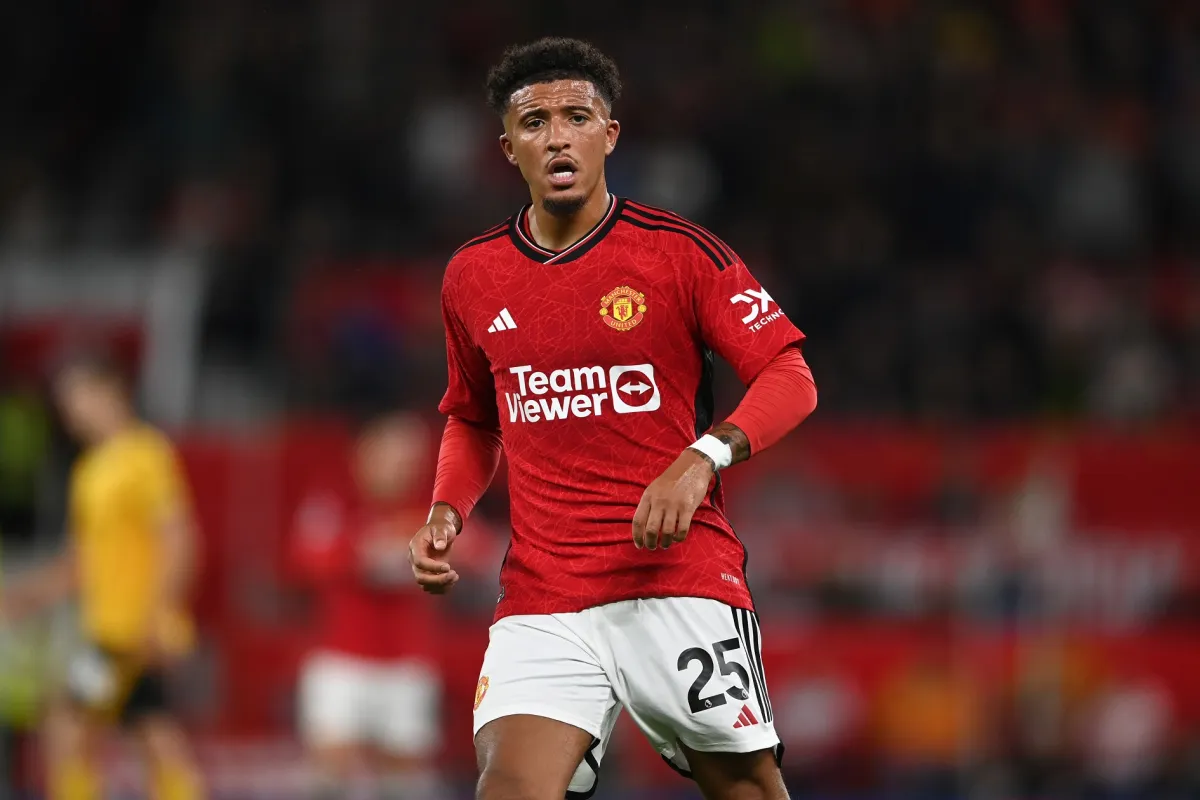
Jadon Sancho’s future has never been more fluid. After a season on loan at Aston Villa, where his impact was limited by tactical constraints and inconsistent form, the England international now stands at a crossroads. His contract with Manchester United expires this summer, and while the club has shown no inclination to trigger the one-year extension option, the winger’s next destination is far from certain. What is certain, however, is that La Liga has emerged as a viable—and increasingly attractive—option. Getafe’s expressed interest in signing him on a free transfer, coupled with the recent precedent of Mason Greenwood’s move to Villarreal, signals a shift in how top-tier Premier League players are evaluating their next steps.
Greenwood’s journey from Manchester United to Villarreal last summer was a masterclass in strategic pragmatism. The 24-year-old, like Sancho, had spent years under the shadow of Manchester United’s high-pressure environment, only to find his opportunities stifled by tactical decisions and managerial whims. Villarreal’s offer—a blend of competitive football, a clear role, and financial stability—proved too compelling to ignore. For Sancho, the parallels are striking. Both players represent the new breed of Premier League stars who, having exhausted the limits of England’s top flight, are turning to Europe’s other elite leagues for the next phase of their careers. La Liga’s financial incentives, tactical flexibility, and the allure of a fresh challenge are now too tempting to dismiss.
The financial dimension cannot be overstated. Sancho’s market value has diminished since his peak, but his name still carries weight—particularly in a league where clubs are increasingly willing to invest in high-profile free agents. Getafe’s interest, while not yet confirmed, reflects a broader trend: mid-tier La Liga sides are positioning themselves as attractive alternatives to the Premier League’s financial demands and the psychological toll of its cutthroat competition. For a player like Sancho, who has spent years navigating the scrutiny of Manchester United’s fanbase and media, the prospect of a more relaxed environment—where his creativity and leadership can flourish without the same level of scrutiny—is undeniably appealing.
Borussia Dortmund’s monitoring of Sancho’s situation adds another layer of intrigue. While a return to Germany remains a possibility, the financial hurdles are significant. Kevin Hatchard’s assessment—that Sancho would need to be ‘very, very realistic’ about his wage expectations—highlights the reality that even his former club may struggle to match the offers from La Liga’s more financially flexible clubs. Dortmund’s sporting director, Lars Ricken, has emphasized the need for a player who can bring ‘quality’ to the front line, a role Sancho has more than proven capable of filling. Yet, the timing of any potential reunion is far from guaranteed, leaving Sancho with a critical decision: does he chase the nostalgia of Dortmund, or does he embrace the opportunity to redefine his career in a league where his talents can be fully unleashed?
The implications of Sancho’s potential move extend beyond his personal trajectory. His decision could signal a broader shift in how Premier League players evaluate their next steps. As clubs like Manchester United and Arsenal continue to eye young talent from other leagues—such as Newcastle’s Bazoumana Toure—it underscores the growing fluidity of the transfer market. For Sancho, the choice is not just about football; it’s about legacy. In a league where players like Greenwood have thrived, he could carve out a new identity—one that transcends the constraints of his past. The question now is whether he’ll take the leap, or if the allure of a return to England’s top flight will prove too strong to resist.



