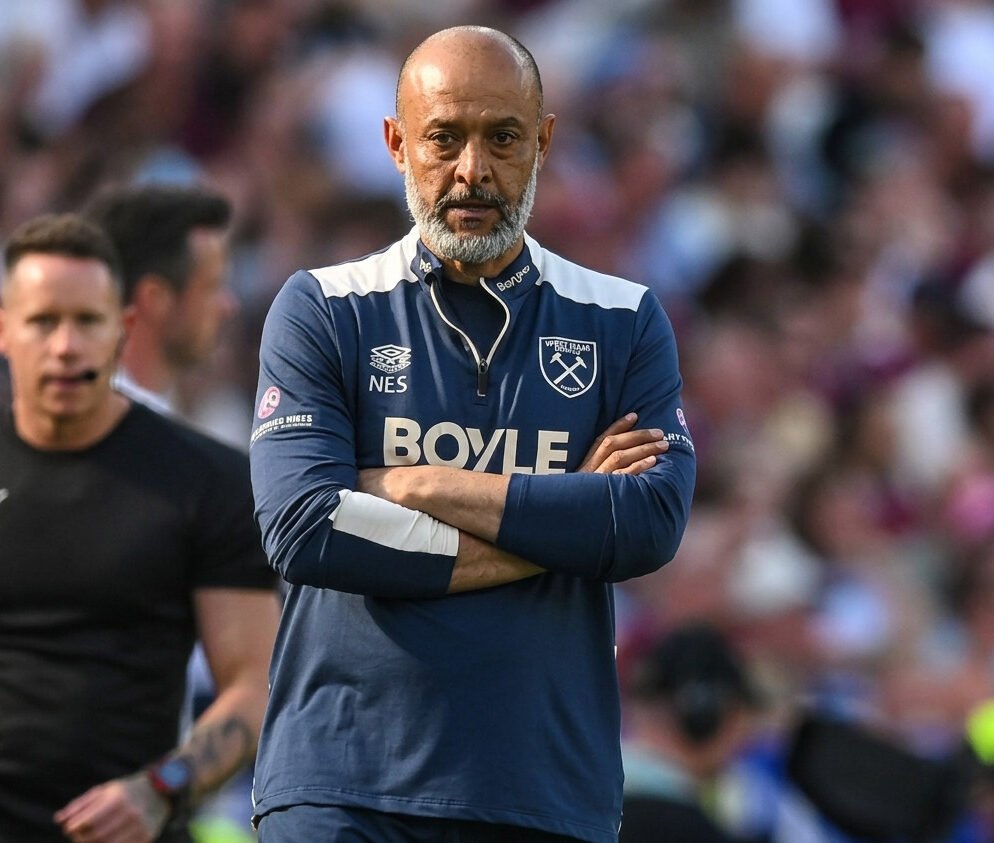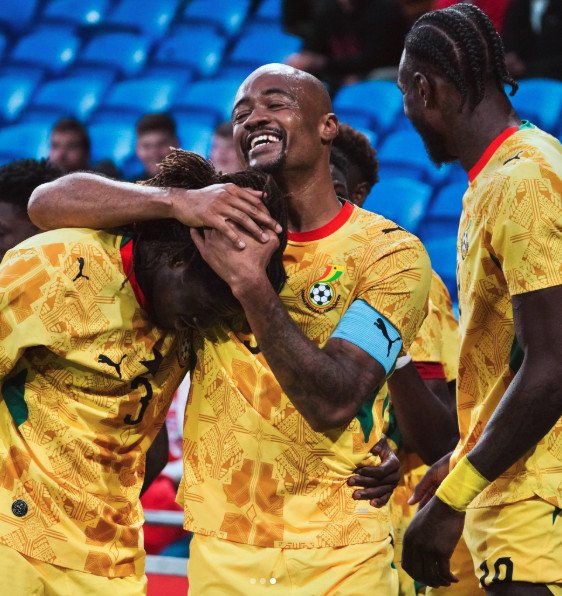
A decision that signals a fresh tactical direction for a club navigating a transitional period. The 35-year-old Dutchman, who previously led KV Beveren to European success, brings more than just managerial experience—he carries a rare linguistic versatility, speaking Dutch, German, Spanish and English fluently. This multilingual advantage is not merely a curiosity; it reflects a broader approach to communication, one that Reedijk has embedded into his coaching philosophy. His appointment follows a swift hiring process, with Easter Road’s executive chairman Ian Gordon identifying him as the “stand-out candidate” to succeed David Gray, whose departure left a void in Hibs’ recent history.
Reedijk’s first public statement to Hibs fans underscored a deliberate focus on unity and collective identity. “We have to do things together,” he declared, framing his tenure around a shared journey—one where players and supporters alike are expected to push through adversity and celebrate victories as one. This message resonates with Hibs’ storied culture, where fan loyalty and on-field resilience have long been cornerstones. His arrival coincides with a squad in flux, with injuries and departures—most notably the loss of Warren O’Hora—creating immediate challenges. Yet Reedijk’s emphasis on “brave” football and entertainment value suggests he intends to elevate Hibs’ profile beyond traditional expectations. His first practical test will come during a warm-weather training camp in La Manga, Spain, starting this weekend, a prelude to what could be a season of tactical reinvention.
The tactical mind behind Reedijk’s approach is as intriguing as his personal background. His tenure at KV Beveren, where he navigated the challenges of Belgian football’s lower tiers while securing European qualification, demonstrates an ability to balance ambition with pragmatism. This experience aligns with Hibs’ own aspirations, particularly in Europe, where the club has historically struggled but retains a passionate fanbase demanding more. Reedijk’s assistant, Rogier Molhoek, shares his vision, reinforcing a cohesive leadership structure. Together, they inherit a squad that includes captain Jason Kerr, whose leadership will be tested as Hibs aim to stabilise their defence—a priority given recent setbacks in domestic and cup competitions.
What sets Reedijk apart is his insistence on internal cohesion as the foundation of success. “We will keep on supporting, pushing, and helping each other,” he told fans, a mantra that echoes his belief in focusing on internal responses rather than external pressures. This philosophy extends beyond the pitch, reflecting a manager who values the human element of football. His ability to connect with players across linguistic and cultural divides could prove pivotal in fostering a united dressing room. For Hibs, this represents more than a managerial change; it is an opportunity to redefine their identity under a coach who speaks their language—literally and figuratively.
The road ahead is not without obstacles. Hibs’ current squad faces immediate challenges, from defensive vulnerabilities to the need for consistency in league and cup competitions. Yet Reedijk’s appointment arrives at a pivotal moment, with Hibs positioned to either consolidate their standing in Scottish football or embark on a journey toward greater European ambition. His European experience, combined with his multilingual adaptability, positions him as a manager who could bridge the gap between Hibs’ historic roots and their future aspirations. One thing is certain: under Reedijk, Easter Road will no longer be a place where football is merely played—it will be a stage for a new narrative.