

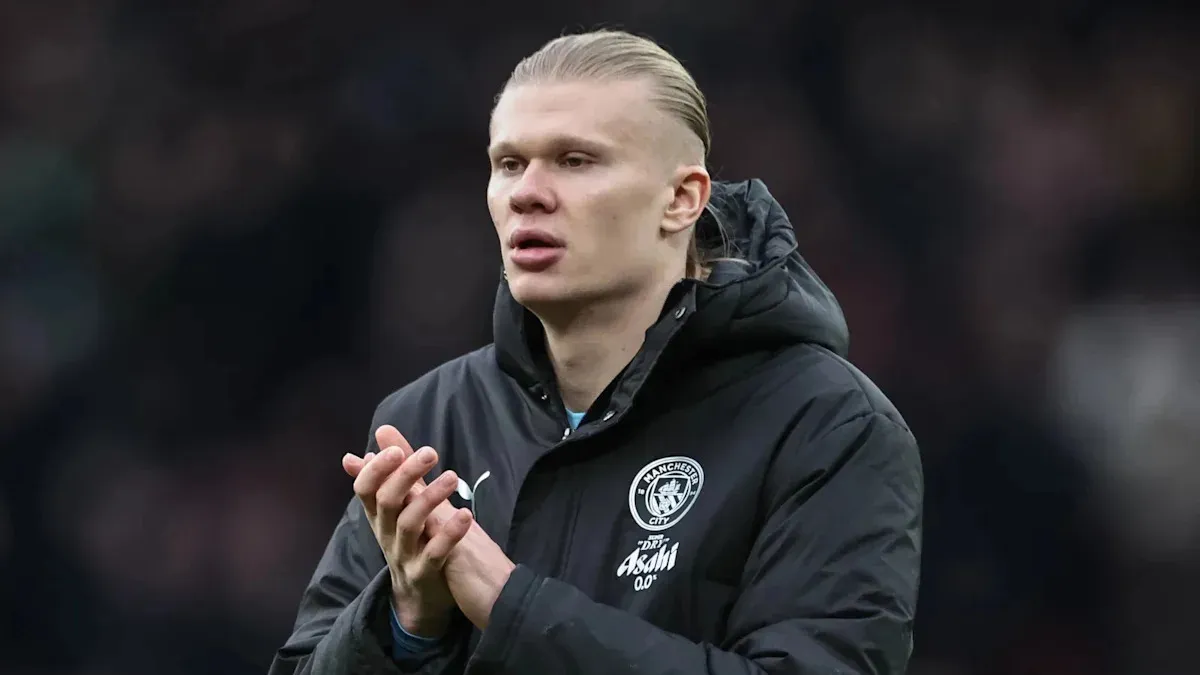
Erling Haaland’s voice carries weight beyond the statistics. In a rare public intervention, the Manchester City striker urged fans to ‘stick together, spread the love, and smile’—a plea that cuts to the heart of the club’s current crisis. His words, delivered after City’s crushing financial verdict and ahead of a trip to Liverpool, reflect not just personal resolve but the growing tension between a player’s public persona and the private pressures weighing on the club.
The stakes could not be higher. An independent commission found City guilty on 114 of 115 charges, alleging systemic financial violations spanning nearly a decade. The ruling has cast a shadow over the squad, with Haaland himself now navigating a double burden: the expectations of a striker who has already scored 11 of City’s first 17 league goals this season—65% of their total—and the scrutiny of a club under siege. His dominance on the pitch, a 26% scoring rate in his first 69 Premier League appearances (the highest in history at that point), has only intensified the debate over City’s long-term sustainability. Yet his public message avoids the fray, focusing instead on solidarity—a rare moment of clarity in a season defined by division.
Off the field, Haaland’s fitness has become a growing concern. Norway’s Nations League defeat to Portugal revealed cracks in his endurance, with the striker limping off the pitch after just 67 minutes. His request for a substitution, followed by a limp, raised questions about the toll of a season that has already demanded everything from him. With seven goals in as many games for City, the question isn’t just about his form but his longevity. The workload—full games in three Nations League matches before the Portugal defeat, followed by a World Cup campaign—has left even his national team coach, Ståle Solbakken, acknowledging the strain. ‘He needed to come off,’ Solbakken confirmed, though he stopped short of diagnosing an injury. The message is clear: Haaland is not invincible, and the demands on him are unsustainable.
City’s appeal against the financial ruling adds another layer of complexity. The club’s legal battle has created a siege mentality, both on and off the pitch. Former manager Pep Guardiola’s recent statement backing the club suggests a united front among its leadership, but the atmosphere at the Etihad is fractious. Haaland’s call for unity is a deliberate counter to the growing frustration among supporters who feel abandoned by a club they once revered. His contract extension, signed before the financial scandal erupted, remains a point of contention—proof that even the most loyal figures are not immune to the fallout. The appeal process looms large, but for now, the focus is on survival: how to keep Haaland—and the squad—intact while the legal storm rages.
What Haaland’s message reveals is the fragility of Manchester City’s position. The club’s identity has always been built on ambition, but now that ambition is under threat. His plea for positivity is not just for the fans; it’s a reminder that the club’s future depends on more than just a striker’s goals. It depends on trust, resilience, and the ability to weather the storm. For now, the Etihad holds its breath. The next chapter begins on Sunday, at Anfield—and beyond that, in the courts.



