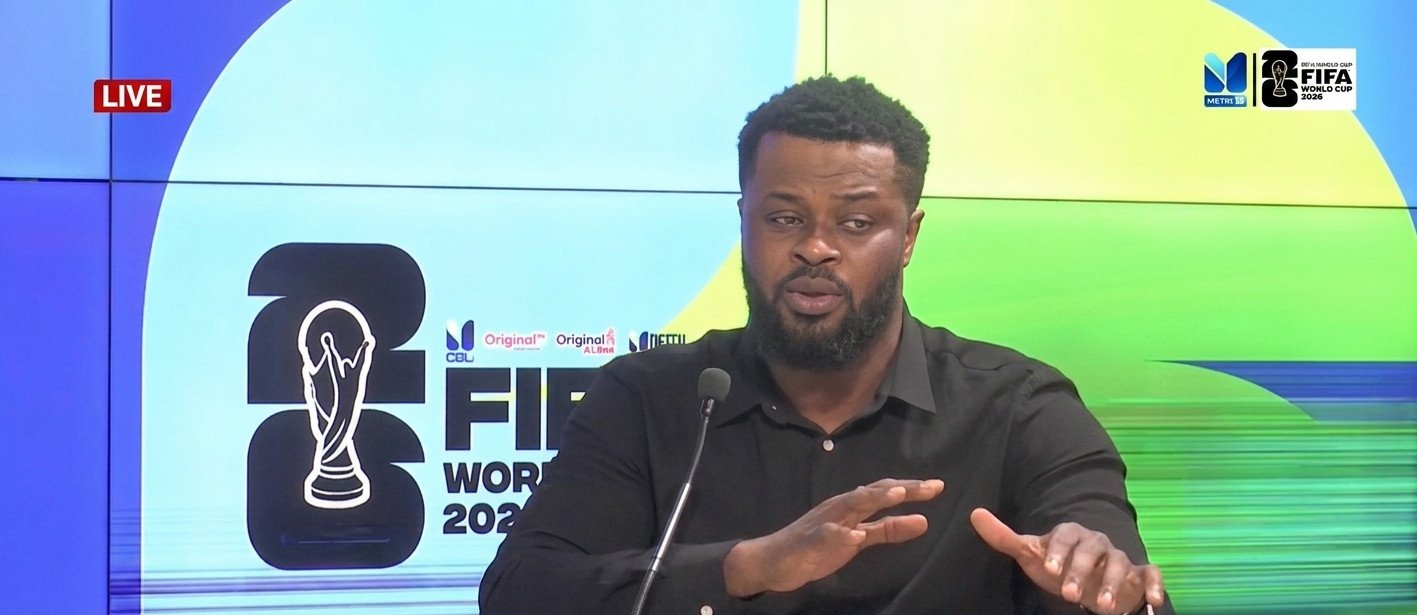
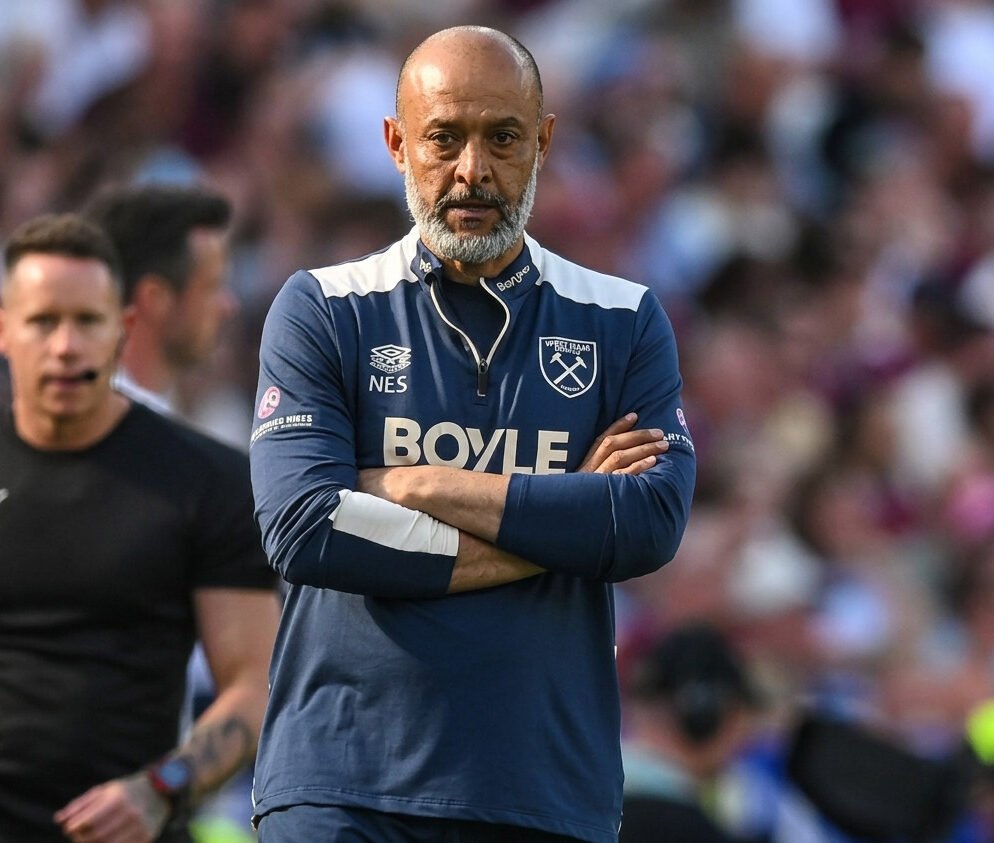
Former Tottenham Hotspur manager Mauricio Pochettino has described the reported guilty verdict against Manchester City as evidence of a “period of deception” in the Premier League, saying it is impossible to repair the damage caused by the club’s breaches.
Speaking as head coach of the U.S. men’s national team, Pochettino said: “If it’s true that they broke 114 rules, we have lived through a period of deceit. No type of punishment will make it possible to repair what was done, and the Premier League’s controls are severely damaged.”
An independent panel has reportedly found City guilty of 114 of 115 alleged financial rule breaches spanning the 2009–10 to 2017–18 seasons, a period in which the club won three Premier League titles, one FA Cup and three League Cups.
The charges also include alleged non-cooperation with Premier League investigations between December 2018 and February 2023.
No sanctions have yet been announced and City plan to appeal.
Pochettino’s comments echo broader frustrations over the Premier League’s inconsistent application of financial regulations.
“Why were those controls so strict with us and not as much with others?” he questioned, highlighting perceived double standards that have plagued the league’s governance.
The former Spurs boss, who led his club to second place in 2016–17 behind Chelsea, has previously argued that Tottenham should be awarded that season’s title after Chelsea were charged with 74 breaches of financial rules, though no sporting sanction was imposed.
The potential sanctions—ranging from fines and points deductions to the unthinkable threat of relegation—pose a dilemma for the Premier League.
Pochettino acknowledged the futility of retroactive justice: “It’s impossible to turn back time. A lot of damage has been done.”
His words carry weight, given his firsthand experience of navigating financial scrutiny as a manager.
Tottenham’s 2023 record fine for rule breaches underscored the league’s willingness to penalize clubs, yet City’s scale of alleged violations—spanning nearly a decade—suggests a pattern of systemic non-compliance.
Beyond the immediate fallout, the verdict forces a reckoning with the Premier League’s reputation.
Pochettino’s plea for “equality in the future” reflects a broader call for transparency, arguing that the damage extends beyond penalties.
Titles won under questionable circumstances, he implied, risk being tarnished by the very rules meant to level the playing field.
The case could serve as a catalyst for reform—or, if mishandled, further undermine confidence in a league that has long prided itself on its commercial allure.
For now, the focus remains on how the Premier League will respond.
Will the sanctions be proportional? Will they address the systemic issues, or will they feel like another chapter in a story of selective enforcement?
Pochettino’s frustration is shared by many who have watched the league evolve from a competitive battleground into a financial battleground—where rules are sometimes rules, and victories are sometimes built on foundations that may not stand the test of scrutiny.