

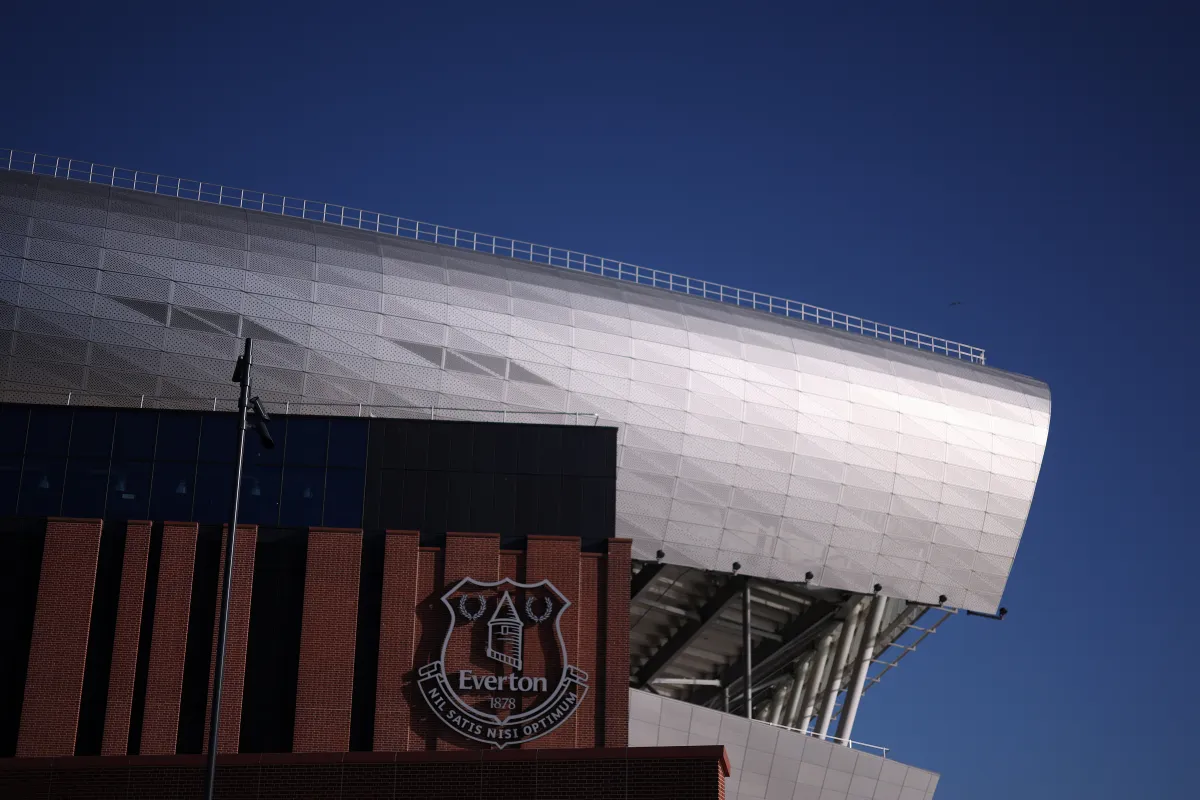
The Friedkin Group has put Everton up for sale less than two years after their takeover, signaling a dramatic shift in ownership strategy for the Premier League club. The American investment group, which acquired a 99.5% stake in December 2024 for an estimated £400m, has now indicated it is open to selling a majority share—though only to a buyer deemed capable of taking the club to the next level. This move follows a period of financial restructuring, including debt refinancing and the completion of Everton’s new Hill Dickinson Stadium, but comes amid persistent on-field struggles and a summer window marked by high-profile departures.
The Friedkin Group’s decision reflects a calculated assessment of Everton’s position. While they have stabilized the club’s financial foundations—securing lower-interest loans and attracting minority investors like Jason Kidd and Christopher Sarofim—their ownership has not yet delivered the sustained success they may have envisioned. The club’s 13th-place finishes in their two seasons under TFG ownership, combined with the £100m+ spent on player sales this summer (including Iliman Ndiaye’s £65m move to Manchester City and the thwarted £40m sale of Harrison Armstrong), suggest frustration with the current trajectory. Yet, the group has emphasized they remain committed to Everton’s future, with Moelis & Company retained to explore potential buyers who align with their vision.
The timing of this potential sale is striking. Just months ago, TFG was reportedly seeking minority investors to inject capital into the club, but the current stance suggests a more fundamental shift: a willingness to cede full control if the right opportunity arises. Their condition—that any new owner must be ‘the right stewards to take the club forward’—highlights both the group’s confidence in Everton’s potential and their reluctance to settle for less. The club’s recent form, however, offers a mixed picture. An unbeaten start to the 2026-27 season has lifted Everton to seventh place, matching Liverpool’s points tally, but the financial and tactical challenges remain unresolved.
For Everton’s supporters, the news raises immediate questions about the club’s future direction. The Friedkin Group’s departure would mark the end of an era of American ownership, following Farhad Moshiri’s turbulent tenure. While the group’s intervention brought stability, the lack of sustained on-field progress may now force a new chapter—one that could either accelerate Everton’s ascent or risk further instability. The club’s next steps will hinge on whether a buyer emerges who can bridge the gap between financial security and competitive success, a challenge that has eluded previous ownership groups.



