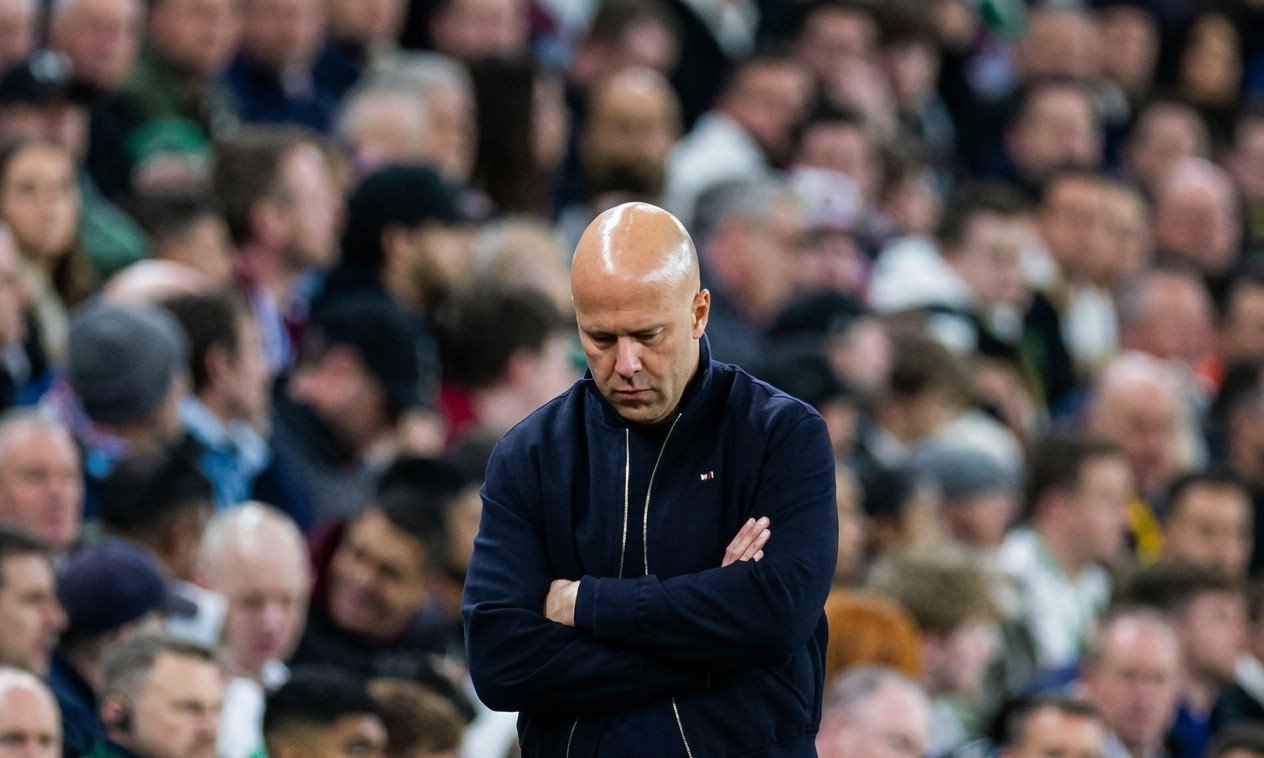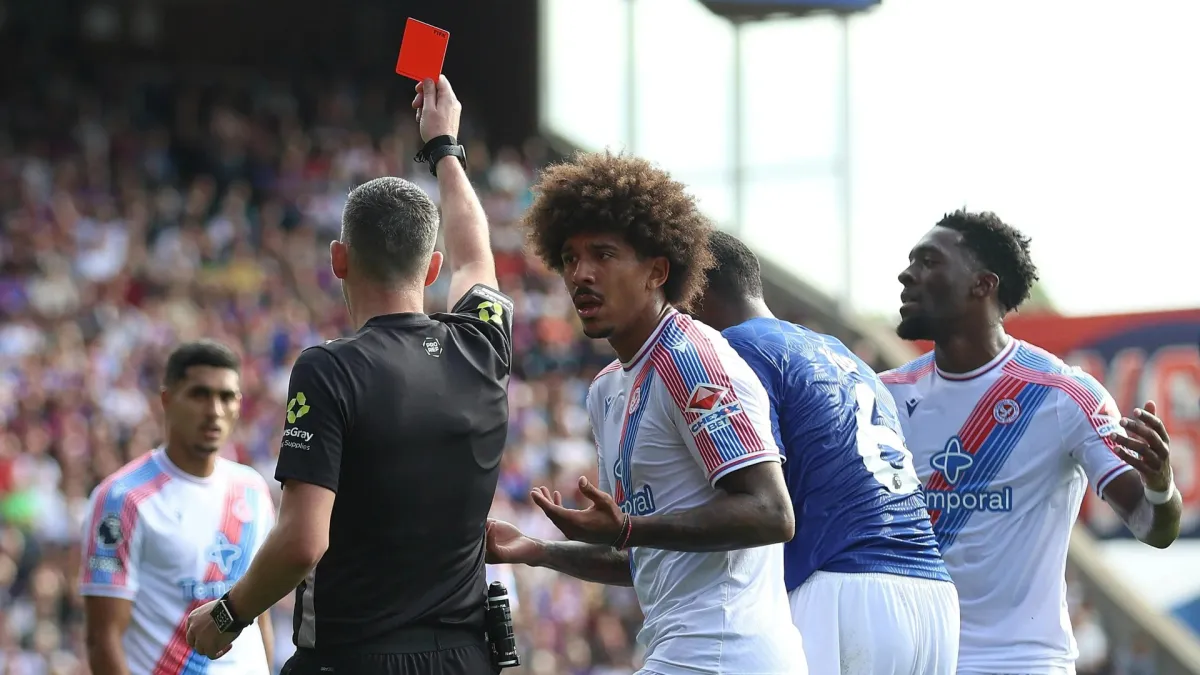
Four games into the Premier League campaign, Crystal Palace find themselves standing at a perilous early crossroads. After two competitive seasons that saw the club establish itself firmly in the top flight, the mood around south London has soured rapidly. The Eagles are leaking goals at an alarming rate, and unless the coaching staff can arrest this defensive decline immediately, a genuine relegation struggle looms over Selhurst Park. The contrast with recent stability could not be starker, as systemic frailties threaten to undermine everything built over their recent era.
The numbers paint a grim picture for the management team, who inherited defensive cracks that first surfaced during the closing stages of the previous tenure. Palace have now conceded at least two goals in multiple consecutive league matches. While they continue to find the net at one end, their complete inability to slam the door shut at the back is destroying their momentum. The side has already suffered defeat in opening league matches on home turf, with a recent loss against a mid‑table rival cementing a dismal domestic record.
Palace’s struggles in south London are no longer an anomaly; they have become a chronic issue. The side has gathered a meager points total at home throughout 2026, with only a few Premier League outfits collecting fewer on their own patch over the same period. Even a brief respite—a comfortable League Cup victory against a Championship side at home—did little to mask their top‑flight defensive woes. Offensively, there remain signs of life. Key attackers have contributed goals and assists in recent campaigns, while full‑backs have made active inroads to fill that attacking void. Yet, scoring goals means little when the backline collapses every week.
Compounding matters on the pitch is a growing disconnect in the stands. Managers in difficult times frequently turn to their home support to generate an intimidating atmosphere and give players an extra push of motivation, but the current setup faces a unique hurdle in attempting a similar plea. Prominent supporter groups have reduced activity inside the ground in recent weeks, citing frustrations over ticketing and fan experience, leaving the home environment feeling starkly quiet at a time when the squad desperately needs backing.
Despite the underlying tension on home soil, travelling Palace supporters demonstrated their loyalty after the final whistle in recent away fixtures, serenading goalscorers who made their way over to the away section. But away support alone won’t keep the club in the top flight. The coaching staff must rapidly find tactical answers to plug a defense that continues to surrender easy opportunities. If Palace cannot fix their backline soon, their slide down the Premier League table will transform from an early‑season bump into a full‑blown survival crisis.