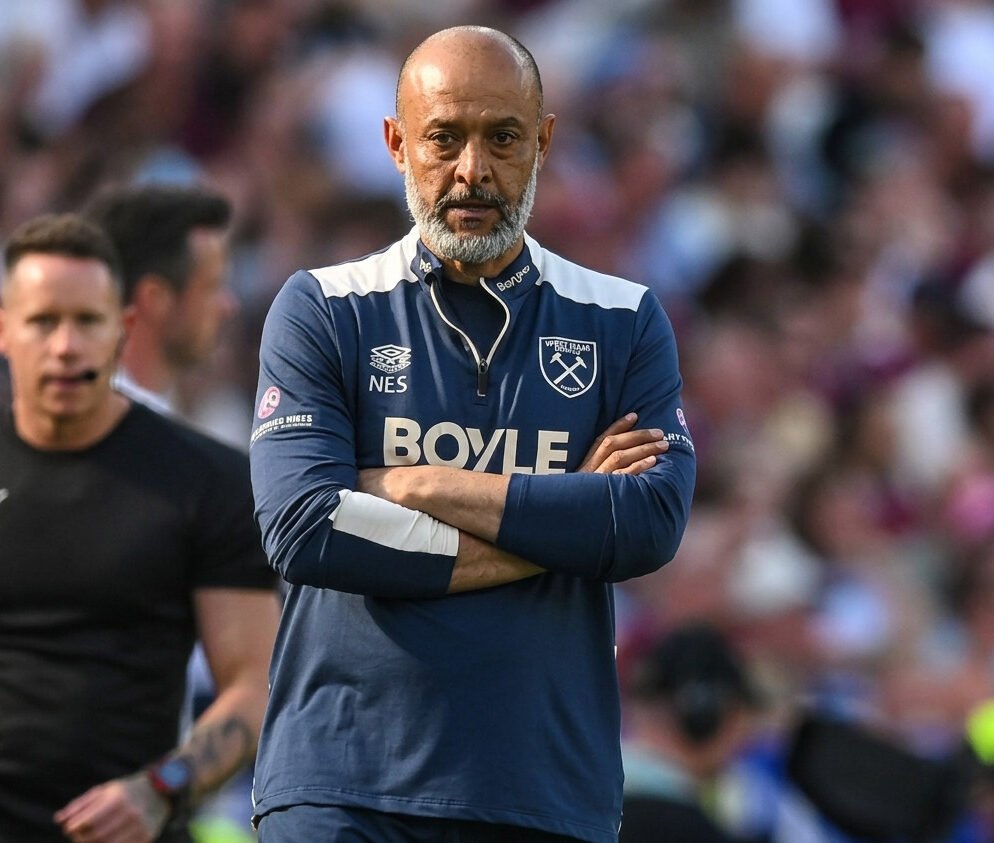
Roberto De Zerbi’s Tottenham Hotspur are enduring a difficult start to the 2026–27 Premier League season, with defensive lapses, missed chances and a failure to convert dominance into results leaving the club winless in their opening fixtures and rooted to the bottom of the table after a 3–2 defeat by Aston Villa.
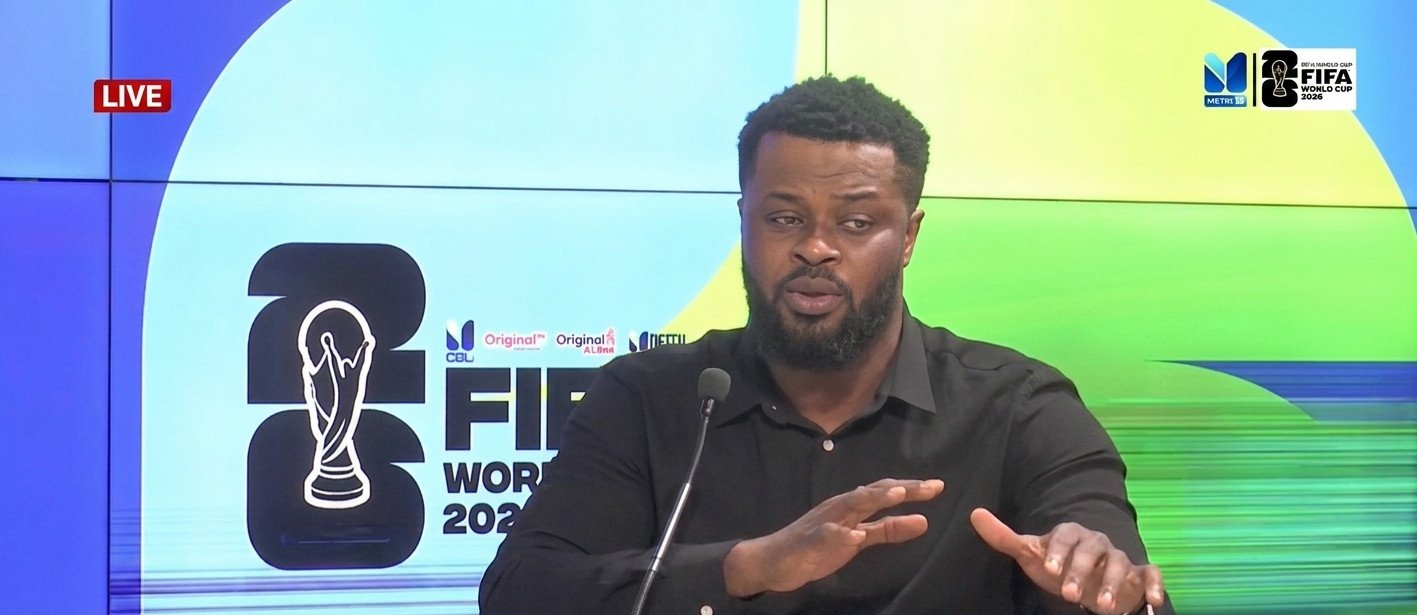
Yet former Republic of Ireland striker Clinton Morrison believes the club’s long-term trajectory is far from hopeless, insisting that Tottenham “will turn it around” and can still have a good season despite the early struggles.
Morrison’s optimism is not rooted in wishful thinking. He acknowledges the immediate pain, describing Spurs’ defending as “nowhere near good enough” and warning that conceding too many easy goals while failing to be clinical is “a recipe for disaster”.
But the former Crystal Palace forward, speaking on BBC Radio 5 Live’s Football Daily podcast, insists this is a phase rather than a permanent state. “I do think they will turn it around and I do think they will have a good season,” he said. “When it clicks for them, they are going to give some team a hiding very soon.”
De Zerbi’s tactical approach, built on fluid, positionally intelligent play and an attacking identity, is central to Morrison’s belief. The pundit highlights the coach’s emphasis on midfield flexibility and the emergence of creative players who thrive in tight spaces, turning rapidly and driving forward with precision.
Morrison argues that when Tottenham’s attacking pieces align, they have the quality to dominate opponents. “I think they have good attacking players; they will score goals and win games at some point,” he said.
The bigger challenge, however, is the defensive fragility that has haunted Spurs under De Zerbi. Morrison does not shy away from the criticism, acknowledging that the backline has been “nowhere near good enough” and that the team is conceding too many easy goals at the moment.
Yet he frames this as a solvable problem, not an insurmountable one. The issue is not a lack of talent—Spurs have the resources to address it—but rather the execution of De Zerbi’s defensive structure and the need for greater consistency across the squad.
Morrison identifies one key area where Tottenham’s summer business fell short: the failure to sign a dedicated centre-forward. “The only thing they have missed is when signing all these midfielders and attacking players, they have missed a centre forward,” he said, suggesting that a reliable goalscorer could help convert dominance into results.
Despite this, he believes the club’s depth and youth will eventually stabilise the position, particularly if younger players are given time to develop in cup competitions where the scrutiny is less intense.
De Zerbi himself has said that mentality and teamwork are key issues and something he cannot buy in the transfer market, while Morrison warns that the manager’s demanding style means results must follow the investment. “De Zerbi will not put his arm around you – it’s his way or the highway and you have to produce for him,” Morrison said. “The hierarchy has backed him and given him the money; now he has to get results.”
For now, Tottenham Hotspur are a team in transition, caught between the frustration of early-season setbacks and the promise of what could come. Morrison’s faith in De Zerbi is not blind; it is rooted in the belief that the club’s DNA—its attacking ambition, its youthful energy, and its ability to reinvent itself—is stronger than the current struggles suggest.
The Premier League is unforgiving, but history suggests that when Tottenham’s pieces align, they do so with devastating effect.
The question is whether the patience of the fanbase—and the tactical patience of De Zerbi—will hold out until then.