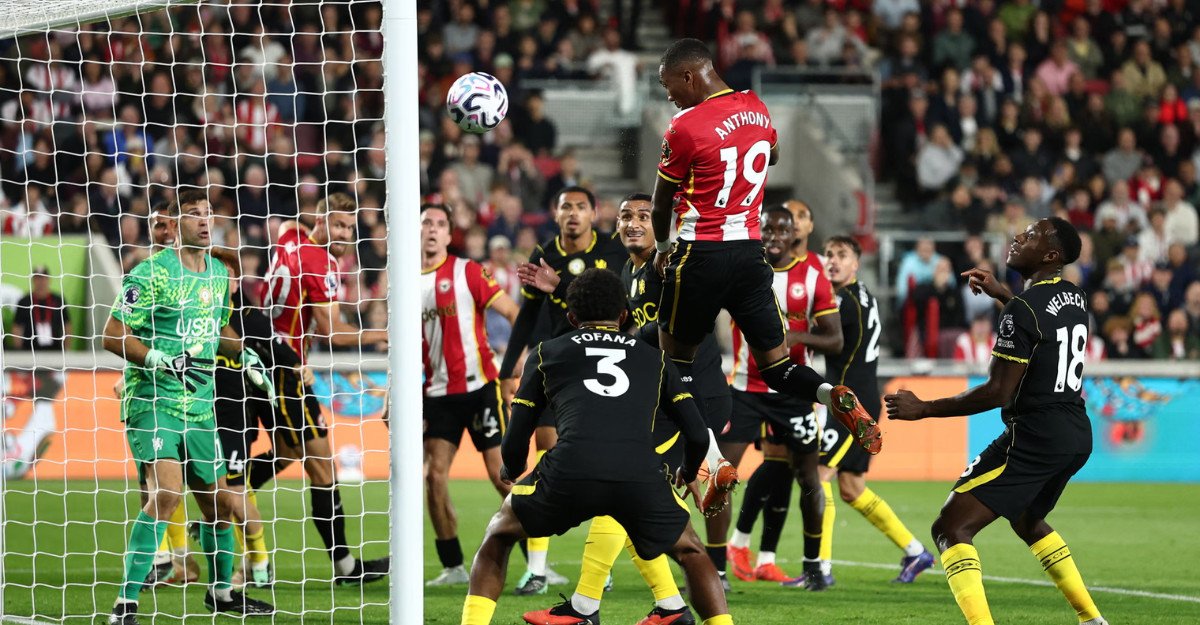
Chelsea have emerged as the most glaring example of modern transfer excess after a staggering £350 million outlay in the transfer window delivered a humbling 3-0 defeat against Brentford. Despite spending £250 million more than their opponents, whose squad was built on roughly £100 million, the Blues struggled to translate astronomical expenditure into performance on the pitch. Across the top flight, net spends approaching £200 million are no longer unusual, yet committing such sums remains an immense financial gamble. For Chelsea, questions remain over whether massive transfer activity truly elevates the team or merely duplicates qualities already present in the squad.
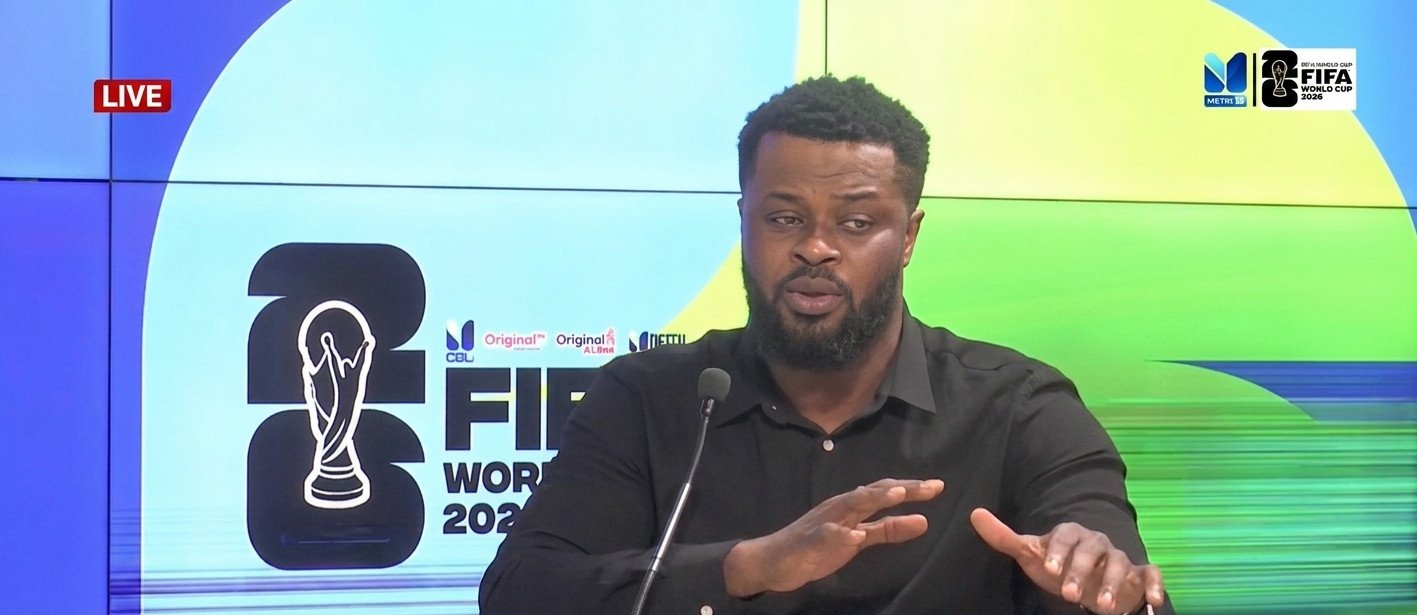
Defensive shortcomings were laid bare during the loss to Brentford, prompting sharp tactical analysis from former club captain John Terry. Criticizing the use of zonal and front-marking schemes in favor of traditional man-for-man setups, Terry noted that Brentford effectively targeted structural weaknesses during the match. Brentford recognized at half-time that Chelsea were vulnerable at the back post, positioning their largest players against smaller Chelsea defenders to win crucial headers throughout the second half. The defeat has intensified focus on managerial decision-making, particularly with attacker Morgan Rogers and new arrival Estevao navigating high expectations amid squad turnover.
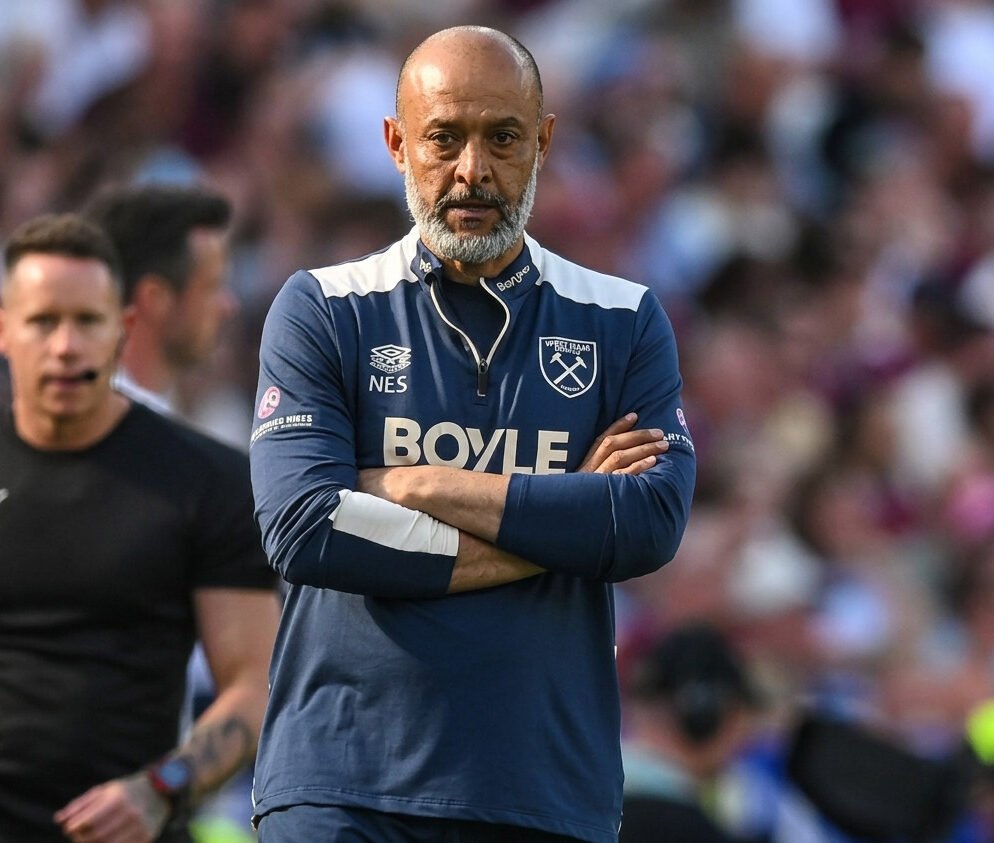
The atmosphere surrounding the club has been further complicated by dramatic claims from former manager Mauricio Pochettino, who suggested Chelsea should be stripped of their 2017 Premier League title over alleged transfer breaches, with Tottenham Hotspur named champions instead. Pochettino also revealed that Spurs made contact with him earlier this year regarding a potential return to North London. Beyond Stamford Bridge, transfer expenditure across elite clubs remains under intense scrutiny. Arsenal continue to rely on heavy investment, deploying figures like £60 million and £50 million signings to maintain competitive depth across their attacking ranks.
Elsewhere in the league, high spending has not shielded teams from glaring structural flaws. Manchester United suffered a toothless defeat against a ten-man Manchester City in the Manchester derby, failing to break down their local rivals despite numerical advantage. Michael Carrick’s side lacked a focal point in attack, leading former striker Wayne Rooney to state that INEOS had let the manager down by failing to provide adequate squad balance. The derby was further marred by controversial refereeing decisions that drew widespread criticism, underlining the operational pressure facing management structures across major clubs.
In stark contrast to sides struggling for offensive cohesion, Manchester City continue to benefit from the extraordinary productivity of Erling Haaland. The striker has reached 300 career goals at just 26 years of age while driving Norway’s push toward World Cup qualification. As Chelsea prepare for their upcoming fixture against Arsenal at the Emirates Stadium—a match John Terry predicts could result in an upset—the wider footballing landscape remains defined by the divide between monumental financial investment and concrete tactical output.