

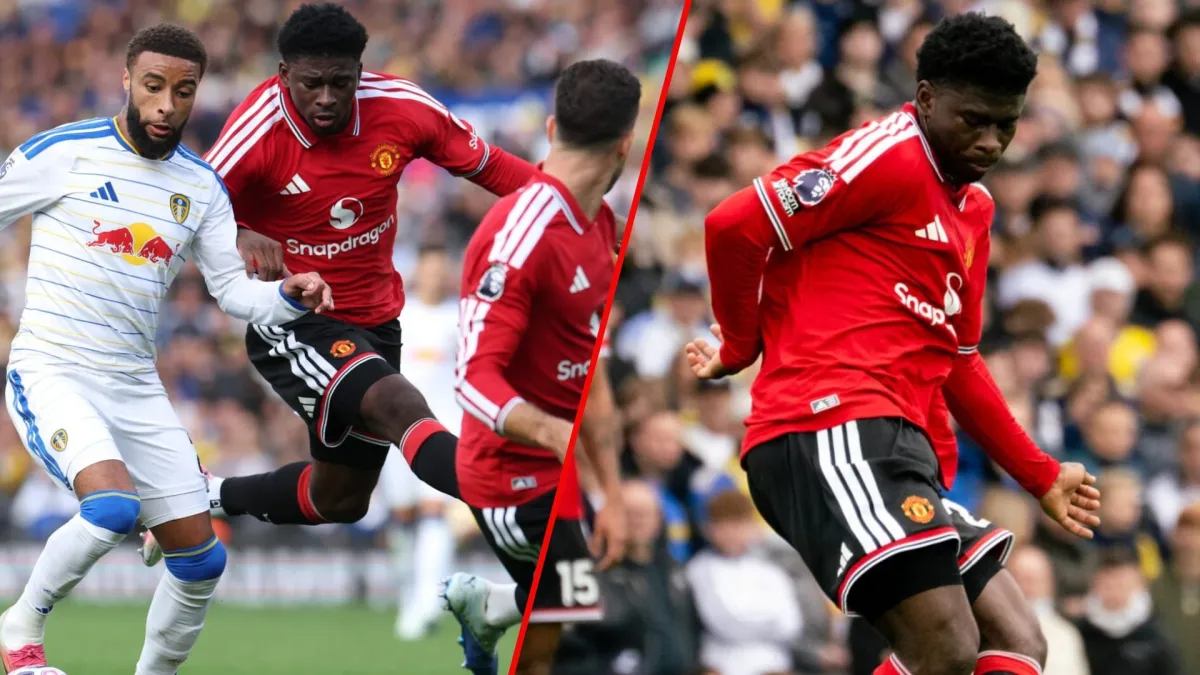
Carlos Baleba’s first Premier League start for Manchester United against Leeds United wasn’t just a debut—it was a statement. The Cameroon international’s performance, marked by sharp pressing, progressive passing, and a clinical finish in the 89th minute to seal a 2-0 win, didn’t just silence the critics who questioned his £70m price tag. It laid bare the scale of United’s midfield ambitions, a project that extends far beyond the immediate transfer window.
The signing of Baleba, a 22-year-old who developed at Brighton into a Premier League-calibre central midfielder, was never about filling a short-term void. It was the first major piece in a long-term strategy to overhaul a position that has been United’s Achilles’ heel for years. His arrival, coupled with the recent arrivals of Bruno Fernandes’ midfield partner and the emergence of young talents like Alejandro Garnacho, signals a deliberate shift toward a more controlled, possession-driven system. Yet, the real test will come when Baleba is forced to compete—not just with the likes of Casemiro or Fred, but with the incoming wave of midfielders United are already scouting for the 2026 summer.
The Leeds game was telling. Baleba’s ability to dictate tempo, break down Leeds’ high line, and deliver a winner in stoppage time mirrored the kind of influence United’s front office has been seeking. But the Red Devils’ midfield isn’t just about individual brilliance; it’s about cohesion. The pairing of Baleba with Bruno Fernandes, or even a three-man midfield against elite opposition, will determine whether this investment translates into sustained success. The fact that Baleba’s debut came after a 2-0 defeat to Hull City—where United’s midfield looked disjointed—only underscores the urgency of this project.
What’s less discussed, but equally significant, is the financial architecture behind Baleba’s move. The £70m deal, which includes add-ons and a sell-on clause, reflects United’s willingness to spend at the highest level while also mitigating risk. It’s a model that aligns with the club’s recent approach, where big-money signings are paired with long-term contracts to ensure stability. Yet, the real question isn’t whether Baleba can justify the price—his performance against Leeds suggests he can—but whether he can thrive in a system that’s still evolving. The next chapter of United’s midfield story will be written in the coming months, as Baleba’s role is defined and the Red Devils’ broader tactical identity takes shape.



