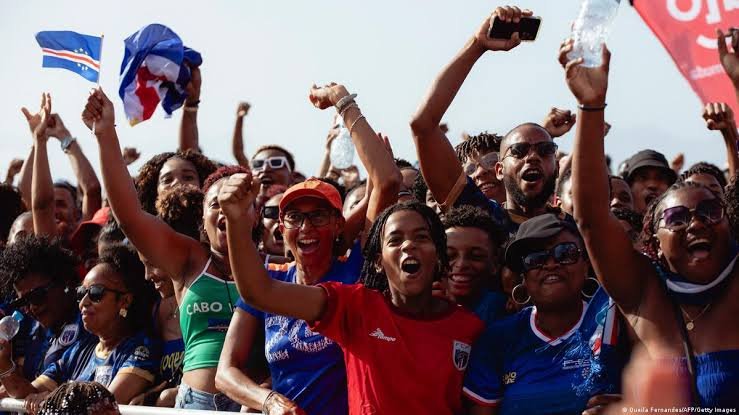
Cape Verde will host the Confederation of African Football’s Strategy Conference in Santa Maria, on Sal Island, from 7 to 9 October 2026, bringing together the presidents of CAF’s 54 member associations, zonal-union leaders, executive committee members, national-team coaches and football-development experts.
The gathering will focus on strengthening long-term football development, improving financial sustainability and increasing the competitiveness of African football ahead of the 2030 World Cup cycle. CAF selected Cape Verde following the country’s widely praised 2026 World Cup campaign, which highlighted the continuing progress of smaller African football nations on the global stage.
The main strategy sessions will take place on 7 and 8 October. FIFA president Gianni Infantino has been invited to attend alongside CAF president Patrice Motsepe and senior African football officials. On 9 October, FIFA’s Chief of Global Football Development, Arsène Wenger, is scheduled to lead a technical review of the 2026 World Cup for Africa’s national-team coaches.
The conference will provide CAF with an opportunity to assess the performances of Africa’s 10 representatives at the 2026 World Cup and consider how the continent can build on that experience. Discussions are expected to include youth development, coaching, infrastructure, domestic competitions, financial governance and partnerships between CAF, FIFA and African member associations.
Infantino’s expected presence also gives the meeting wider political significance. CAF’s 54 member associations constitute one of the largest voting blocs within FIFA’s 211-member congress ahead of the organisation’s presidential election in Rabat next March. However, the conference’s stated purpose is football strategy and technical development, and CAF has not released a final public agenda or presented the event as a formal election campaign gathering.
Cape Verde’s role as host places the archipelago at the centre of a major continental football discussion. The October meetings will aim to turn the lessons of the 2026 World Cup into practical plans for African football’s next cycle, with the road to the 2030 World Cup already underway.