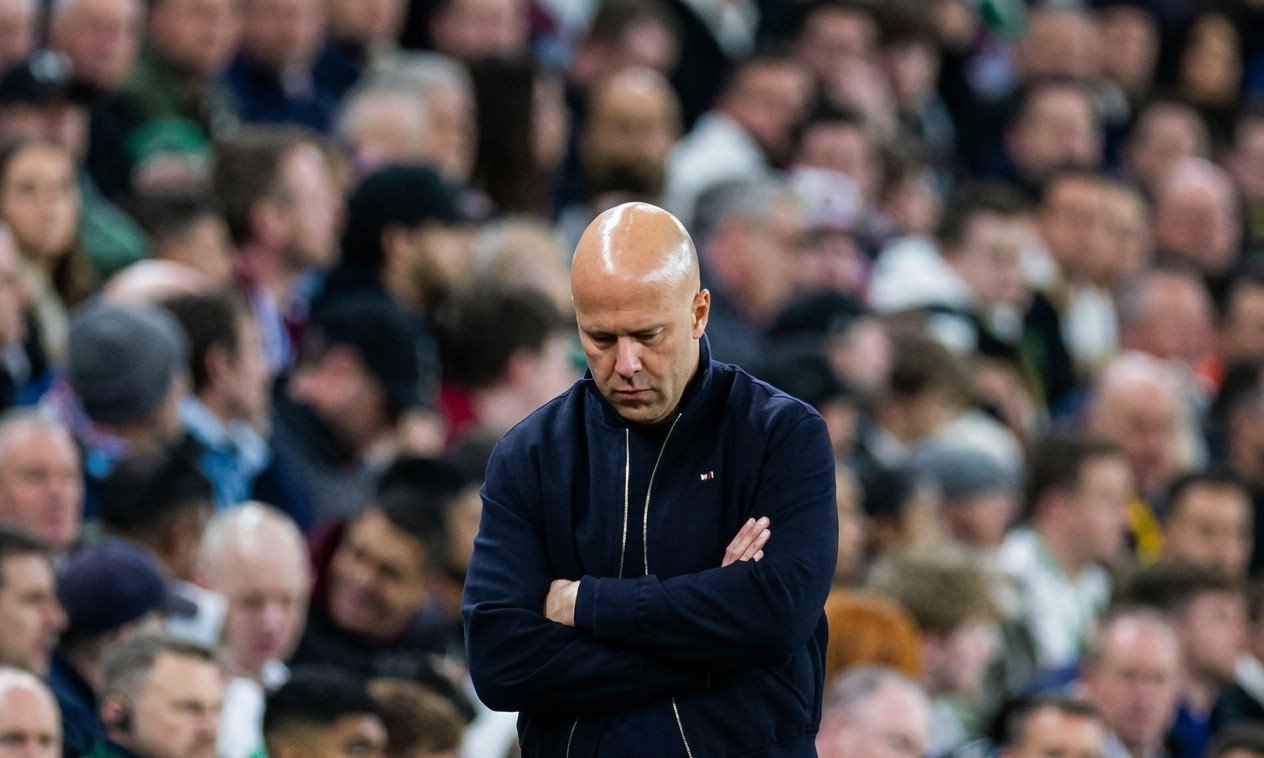
Aston Villa’s pursuit of Chelsea loanee Alejandro Garnacho was never about urgency—it was about opportunity. The Argentine’s arrival at Villa Park last summer was framed as a fresh start, but his first spell at the club ended in disappointment, with a lack of impact and a premature exit. Now, with Emery at the helm, Garnacho is reportedly undergoing a ‘mini pre-season’—a structured rebuild designed to restore confidence in a player whose career trajectory has been erratic. The Spanish manager’s approach is deliberate: he wants to extract maximum value from a loan deal that carries no obligation to extend, but he also understands the risks. Garnacho’s form at Chelsea was inconsistent, and Villa fans will demand more than fleeting flashes of his earlier brilliance.
Emery’s strategy is rooted in pragmatism. The manager has a history of extracting performances from players who have struggled elsewhere, but Garnacho’s case is more complex. His time at Chelsea was marked by limited minutes and a failure to replicate the pace and creativity that made him a standout at Barcelona. At Villa, he will face immediate scrutiny—not just from the press, but from the Villa Park faithful, who are still processing the memory of Harvey Elliott’s failed loan spell. Elliott, signed with conditional terms last summer, was sidelined by Emery and never fulfilled his potential. The manager’s track record with loan signings is mixed, but his ability to identify and develop talent remains his greatest asset. Whether Garnacho can break free from his past will depend on whether Emery can replicate his success with other loaned players, or if this becomes another cautionary tale.
The timing of Garnacho’s arrival also coincides with a looming crisis in Villa’s goalkeeping department. Zion Suzuki, the club’s £25.7 million signing from Parma, is preparing for Japan’s Asian Cup, leaving a gaping hole in the squad. Emery has already shown he is willing to make tough decisions—Emi Martínez was allowed to leave after Suzuki’s arrival, and Marco Bizot, the current backup, has struggled mightily since his return from injury. Bizot’s save percentage of 65.5% last season and his six league appearances—conceding 10 goals—speak volumes about the challenges ahead. With Suzuki’s absence looming, Villa will need a reliable backup, and the window for a permanent solution is narrowing. A January signing could be the only realistic option, but the club’s financial constraints and tactical needs may force them to prioritize other areas first.
For Garnacho, the stakes are personal. A second fresh start in a year is a rare opportunity, but it comes with the weight of expectation. The Argentine has the physical tools to thrive in the Premier League—his pace and dribbling were his calling cards at Barcelona—but he has yet to prove he can sustain them at the highest level. Emery’s team is built around fluidity and pressing intensity, and Garnacho’s ability to contribute in those areas will determine his fate. If he can rediscover his form, he may carve out a role; if not, Villa could find themselves with another loan signing who failed to meet the club’s standards. The manager’s patience is a double-edged sword: it gives Garnacho time to prove himself, but it also leaves little room for error.
The dynamics between Villa and Chelsea extend beyond Garnacho. The two clubs have completed eight permanent or loan deals since 2022—more than any other Premier League pairing—a testament to the fluidity of the transfer market. Yet, for all the movement, the core question remains: can Villa’s loan signings ever become permanent fixtures? Garnacho’s case is a microcosm of that challenge. His potential is undeniable, but his execution has been inconsistent. Emery’s approach will be critical. If he can unlock Garnacho’s best self, the winger could become a valuable asset. If not, Villa will be left with another lesson in the precarious nature of loan deals—and the high cost of failure.