The World Cup stage had never seen a goalkeeper quite like Josimar ‘Vozinha’ Evora Dias. At 40 years old, the Cape Verdean veteran defied expectations by anchoring his nation’s defense against eventual champions Spain, becoming an unlikely hero in Qatar. His reflexes, leadership, and ability to command the box under pressure earned him instant adoration—first in Africa, then across Europe, and finally in the global football consciousness. Yet, four months after that tournament, Vozinha’s journey has taken a quieter, more complicated turn.
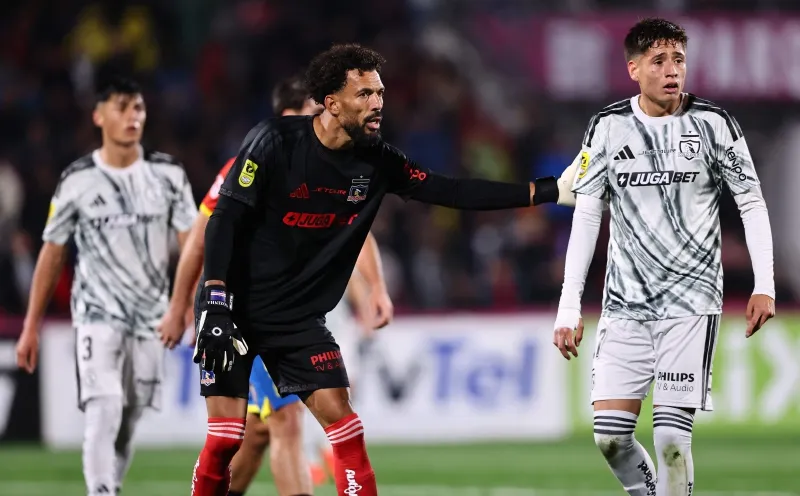
His new chapter began in July when he signed with Colo Colo, Chile’s storied Primera División powerhouse. The move was a natural progression for a goalkeeper who had spent years honing his craft in Europe’s lower leagues, but the transition has proven far more demanding than anticipated. The glare of fame, once confined to social media mentions and fleeting headlines, now follows him daily. Every press conference, every training session, every public appearance is scrutinized—not just by local fans, but by a global audience that now associates his name with World Cup heroics. The pressure to live up to that legacy is palpable, and the weight of it is beginning to show.
Colo Colo’s environment, known for its intensity and tradition, has added another layer of complexity. The club’s stadium, the Monumental, is one of South America’s most iconic, but the expectations that come with it are immense. Vozinha, who has spent years building a reputation for composure, now finds himself navigating a landscape where every mistake is amplified, every decision dissected. The contrast between the World Cup’s high-stakes drama and the day-to-day grind of Chilean football is stark. While his performances on the pitch remain solid, the off-field adjustments—managing media attention, balancing personal life, and maintaining focus—have become his new battleground.
What makes Vozinha’s story particularly compelling is the contrast between his quiet demeanor and the storm of attention he now faces. Unlike many players who thrive under the spotlight, he has spoken openly about his discomfort with the sudden fame. The Cape Verdean, who once operated in relative obscurity, is now a symbol of resilience for his nation—a role he never sought but has been thrust into. His journey reflects a broader truth about modern football: even the most celebrated heroes can struggle when the world’s gaze shifts from the pitch to their personal lives. For Vozinha, the challenge now is to find equilibrium, to prove that his greatness isn’t just a fleeting moment in time, but a sustained legacy that can endure beyond the tournament’s final whistle.