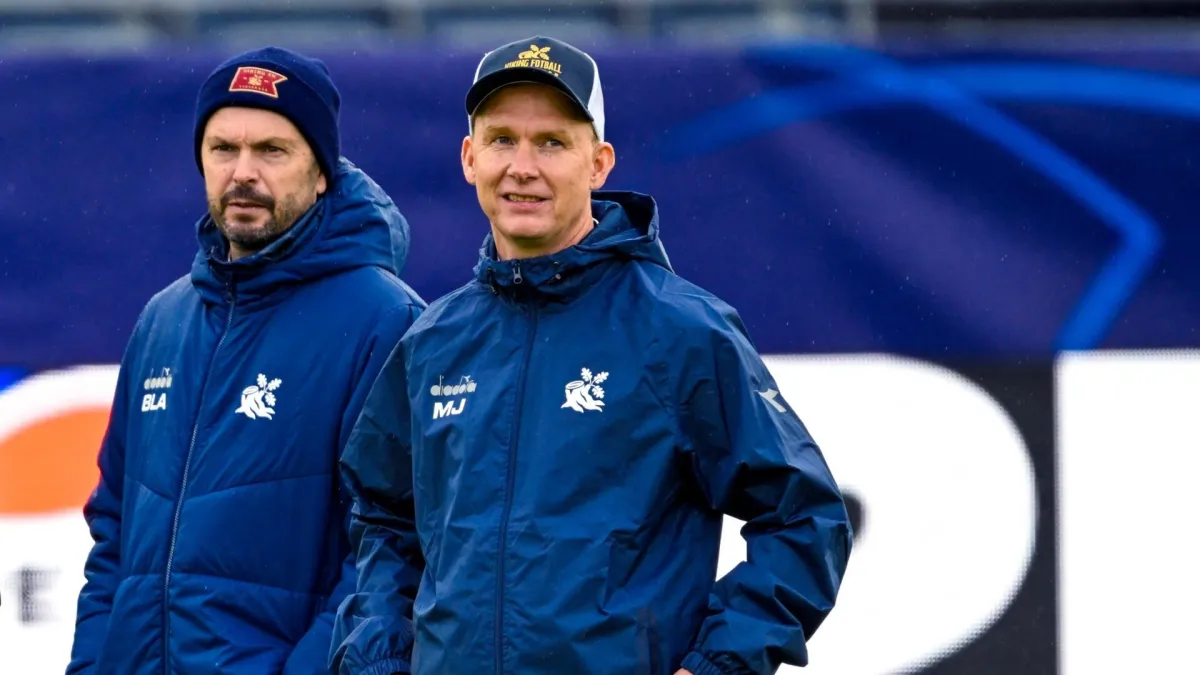
Viking FK’s 3-3 draw with Bayern Munich in the Champions League was not just a statement of intent—it was a tactical masterclass in adaptability. The Norwegian side, led by co-head coaches Morten Jensen and Bjarte Lunde Aarsheim, defied expectations by holding the Bundesliga champions to a draw in a group-stage clash. The result underscores a growing trend in football: the effectiveness of dual coaching structures, where two distinct voices combine to create a more dynamic, flexible approach to management.
The Viking experiment is far from isolated. In Denmark, Lyngby BK has embraced a similar model, while Lincoln City in England’s Championship has also adopted shared leadership. Yet Viking’s achievement—securing a historic league title and now a Champions League draw—positions them as the most prominent case study. The duo’s collaboration, rooted in complementary strengths, has allowed the club to navigate the complexities of modern football with precision. Jensen’s strategic acumen and Aarsheim’s tactical adaptability create a synergy that traditional single-manager setups often struggle to replicate.
The draw with Bayern Munich was a microcosm of this philosophy. Viking’s ability to neutralize the German giants’ physical dominance while maintaining possession and creating scoring opportunities demonstrated the benefits of shared decision-making. The co-head coaches’ real-time adjustments—whether in defensive formations or attacking transitions—highlight how two minds can outmaneuver one. This is not merely about having two managers; it’s about leveraging their individual expertise to solve problems that a single coach might overlook.
As Viking prepares for the next phase of their Champions League campaign, the question lingers: Can this model sustain success at the highest level? The club’s immediate focus remains on steady improvement to secure their return to Norway’s top flight, but the draw with Bayern Munich has already cemented their place in the conversation about football’s future. If other clubs follow Viking’s lead, the game may soon see a new era of collaborative leadership—one where two voices, not one, dictate the path forward.