The rabona is not merely a trick—it is a declaration of intent. A player who executes it does so with the confidence of a man who has already won the game in his mind. Among the pantheon of football’s most dazzling skills, the rabona stands apart for its audacity, its theatricality, and the sheer defiance of logic it embodies. The best of these moments are not just goals; they are performances, each one a fleeting masterclass in how to turn the impossible into the inevitable.
Mario Balotelli’s rabona for Adana Demirspor is the kind of goal that lingers in the memory like a half-remembered dream. The seven-step-over, the way he twists the ball into the net with the non-dominant foot after a series of deceptive movements—it is the kind of moment that makes defenders question their life choices. Balotelli, ever the showman, never did things by half-measures. His entrance into the game was always accompanied by a shirt declaring *‘Why Always Me?’*—a question answered in style, again and again. This goal, in particular, was not just a strike; it was a statement. A reminder that even in the most mundane of leagues, a player could arrive and make the ordinary extraordinary.
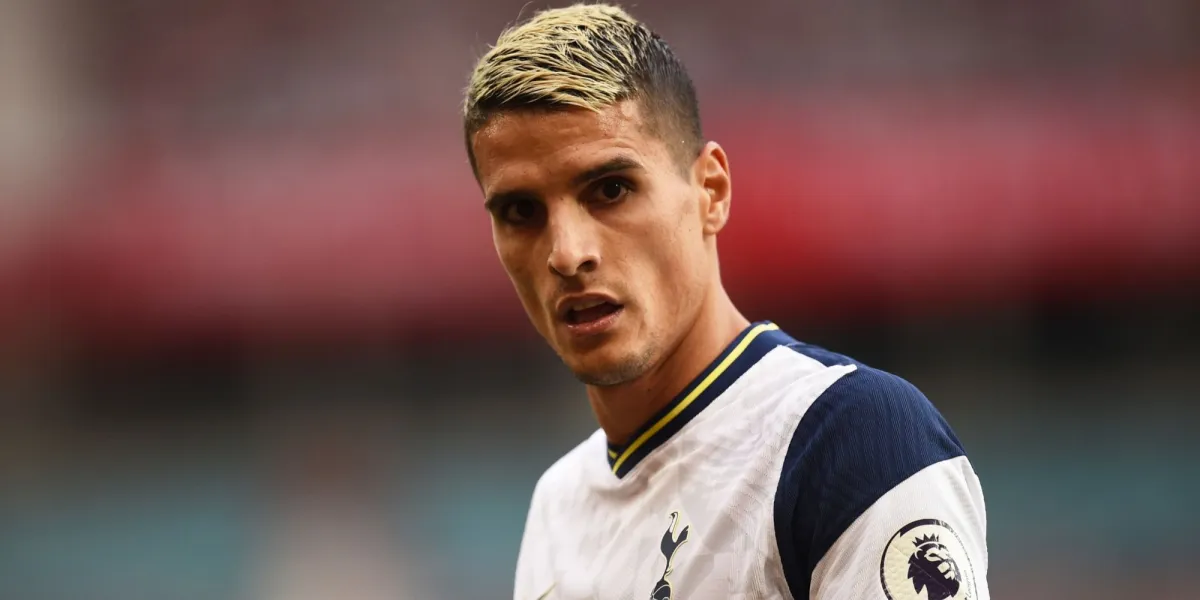
Erik Lamela, the Argentine midfielder who became a Tottenham legend, also left his mark with the rabona. His version was different—less about chaos, more about precision. Lamela’s skill was in his ability to read space, to turn defenders inside out with a flick of the wrist before unleashing the ball with the inside of his foot. His goals were often the product of intelligent movement, but the rabona added an extra layer of artistry. It was the kind of skill that made him a fan favourite, not just for his goals, but for the way he made the game look effortless.
Then there are the others—the ones who made the rabona their own. Ricardo Quaresma, the Portuguese winger who dazzled at Sporting CP, was a master of the trivela, but his rabona was something else entirely. It was a moment of pure, unadulterated joy, a goal that made defenders look foolish and spectators forget their worries. Hatem Ben Arfa, the Frenchman who electrified Newcastle United, had a rabona that was almost surreal—like a man who had spent too long in a dream world finally stepping onto the pitch. His solo goal against Bolton, where he spun inside his own half before weaving through defenders, was the kind of moment that made football feel like magic.
These players did not just score goals with the rabona—they made it an art form. Each one carried the weight of history, of the countless times before where players had tried and failed. But these were the ones who succeeded, who turned a trick into a triumph. The rabona is not just a skill; it is a legacy. And in the pantheon of football’s greatest moments, these goals stand as proof that sometimes, the most beautiful things in life are the ones that defy explanation.