Barcelona’s midfield is fractured. Rodri, the spine of their defensive system, will not play against Atlético Madrid—a match where the difference between glory and disappointment is measured in points, not just possession. His hamstring injury, sustained in the Champions League against Aston Villa, has left Camp Nou without its most influential player at a moment when La Liga’s title race is as tight as it has been all season. The absence is not just a tactical inconvenience; it is a strategic setback in a campaign where every minute counts.
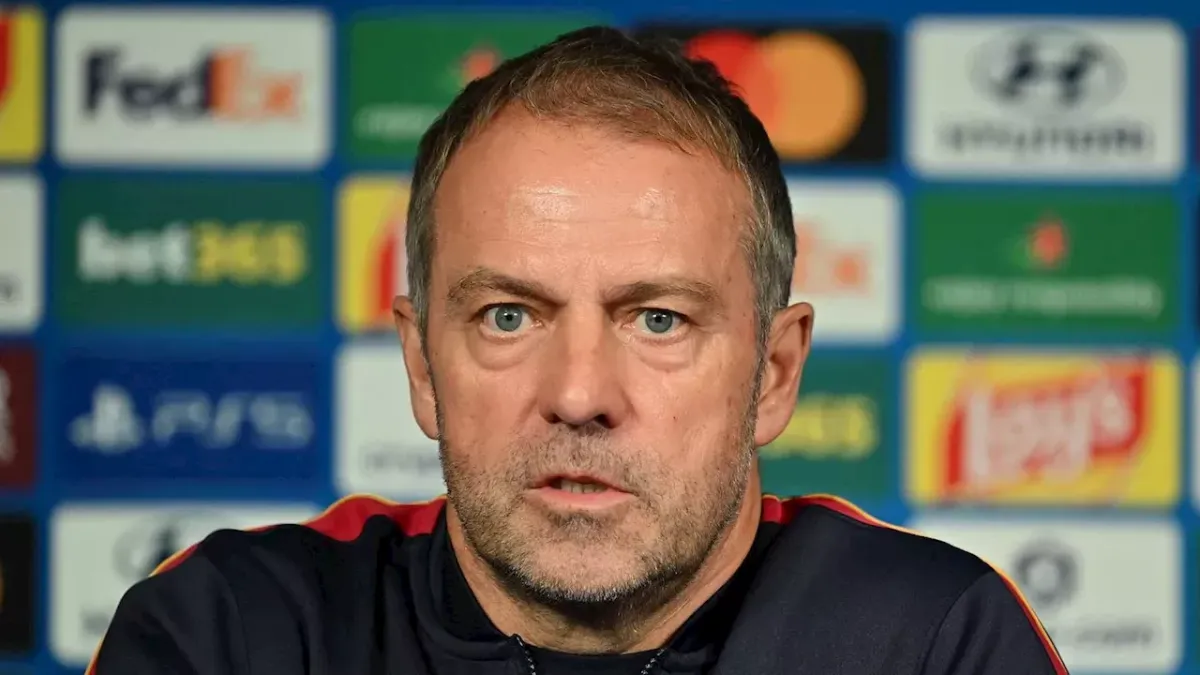
The injury has reignited debate over how Rodri’s workload was managed in the opening months of the season. Critics have pointed to a pattern of overuse, particularly in games against weaker opponents where Flick’s system demanded sustained intensity from his midfielders. The narrative has been that rest was sacrificed for consistency, a trade-off that now appears to have backfired. Flick, however, has dismissed such interpretations outright. In a direct response to the scrutiny, he emphasized that his approach was methodical: ‘I communicated with the player. I managed every minute he played.’ His defense is rooted in a belief that Rodri’s role—both on and off the pitch—was carefully calibrated, not haphazardly imposed.
The tension between Flick’s assertion and the observable reality of Rodri’s injury underscores a broader challenge in modern football: the tension between individualization and collective performance. Load management is no longer a matter of intuition or broad-brush strategies. It requires granular data, real-time adjustments, and an understanding of how fatigue accumulates across multiple systems—physical, tactical, and even psychological. What S2’s insights reveal is that many clubs still operate on a model inherited from decades ago, where pretraining is compressed into a few weeks, individual needs are secondary to group cohesion, and injuries become inevitable byproducts of the rush to ‘arrive prepared.’ Barcelona, under Flick, is not immune to these pressures, but the Rodri case forces a reckoning: if the manager’s methods are sound, why did the injury occur when it did?
The answer may lie in the specifics of how Flick’s system operates. Rodri’s role is not just about minutes; it is about *quality* of minutes. In a team that demands high pressing intensity and defensive solidity, his workload is inherently elevated. The question is whether the margins—those extra five minutes here, the reduced rest there—were too fine to sustain over an entire campaign. Flick’s insistence on ‘managing everything’ suggests a belief in his ability to navigate these margins, but the injury’s timing—coming after a season opener against a midtable opponent—hints at a system under strain. The challenge for Barcelona now is not just to survive without Rodri, but to prove that Flick’s load management is not just theory, but a practical solution to the very real risks of modern football.
For Atlético Madrid, the absence of Rodri is an opportunity. Without his influence, Barcelona’s midfield will be forced to adapt, potentially exposing vulnerabilities in their defensive structure. The question is whether Flick can exploit this moment to reset his team’s rhythm—or if the injury will linger as a symbol of the broader struggles facing clubs that prioritize performance over prevention. One thing is certain: the match against Atlético will not just decide a point in La Liga. It will test whether Barcelona’s title ambitions are built on sustainable foundations—or if they are, like Rodri’s hamstring, one setback away from collapse.