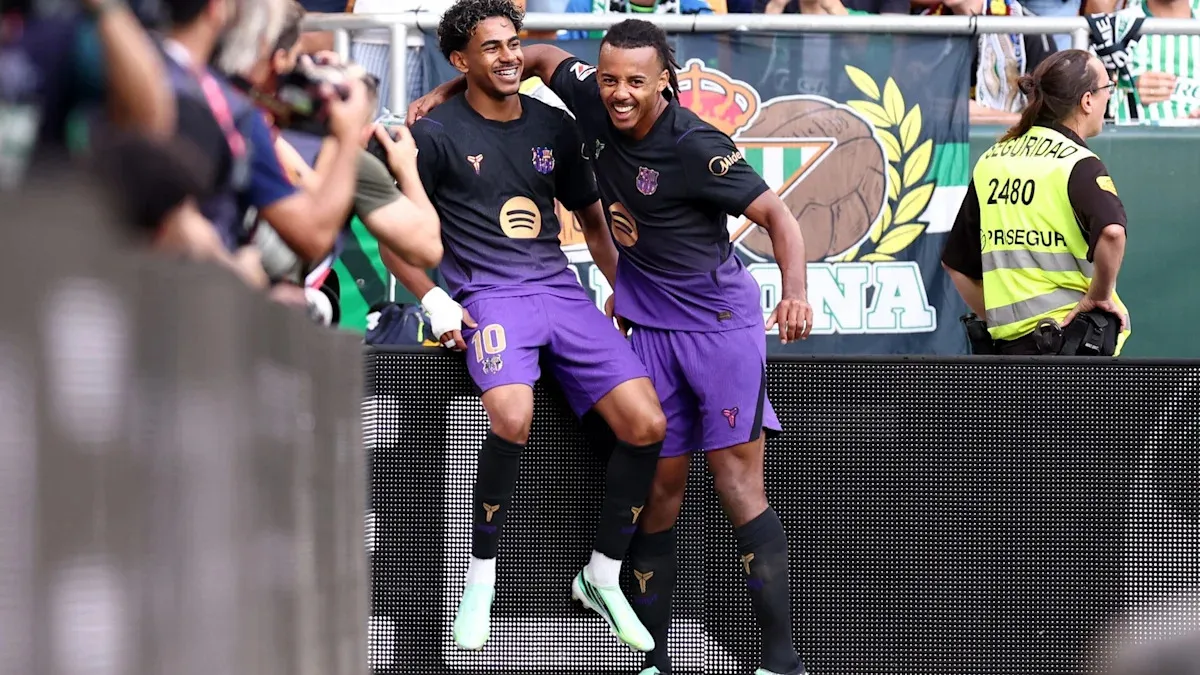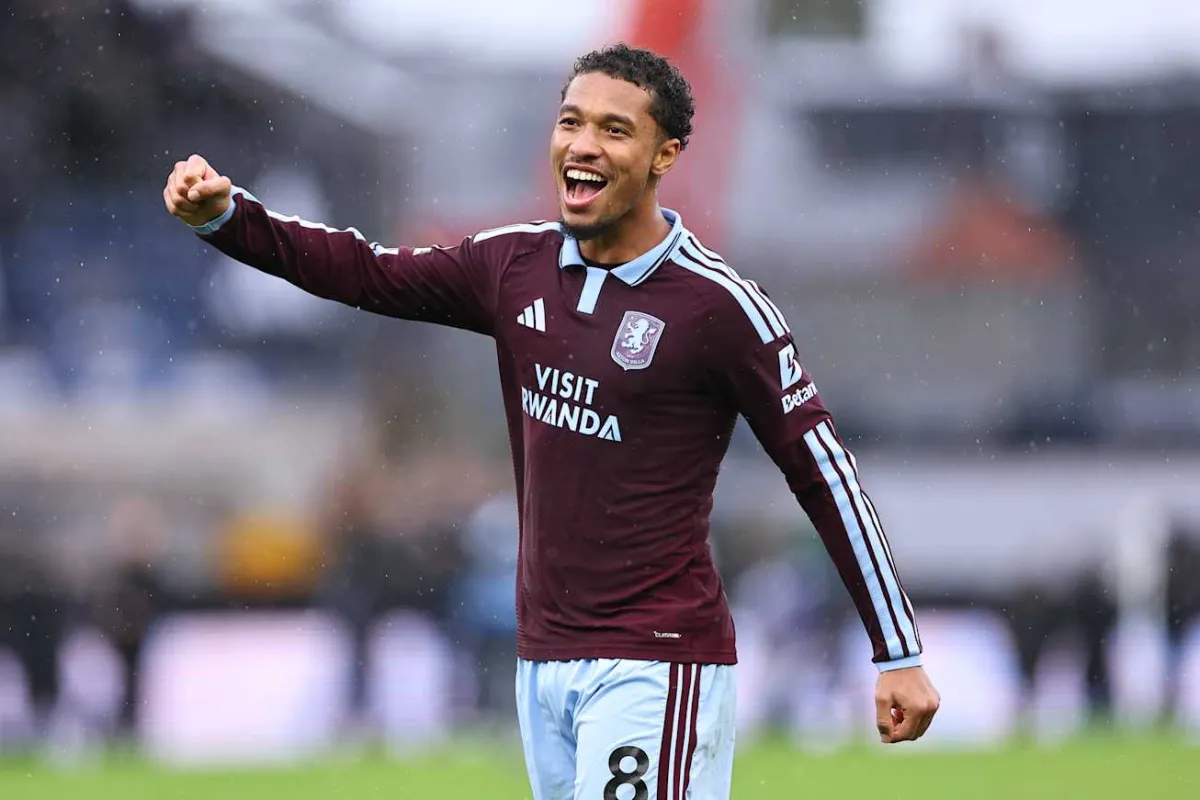
Manchester United’s season has become a study in contradictions. The club sits in the Premier League’s relegation zone, yet its squad remains one of the most talented in English football. The paradox was laid bare this week when Gary Lineker, ever the astute observer, described United’s predicament as ‘unusual’—a phrase that cuts to the heart of the club’s dilemma. The problem isn’t a lack of individual ability; it’s the inability to translate that ability into consistent results, a failure that has left fans, pundits, and even the players themselves questioning the direction under Michael Carrick’s interim stewardship.
The recent 4-4 draw with Aston Villa at Old Trafford was a microcosm of United’s struggles. The match exposed tactical inconsistencies, a frontline that struggled to find rhythm, and a defence that, despite the presence of Diogo Dalot, has been a source of persistent criticism. Dalot, in particular, has faced vocal disapproval from United’s fanbase, a backlash that Michael Carrick has defended, arguing the centre-back remains a vital cog in the side. Yet the boos at Old Trafford were a reminder that even the most loyal supporters are growing impatient. The club’s inability to secure a decisive victory—let alone a comfortable one—has created a sense of stagnation, one that feels all the more frustrating given the quality on display.
Lineker’s observation extends beyond the immediate tactical issues. He pointed to the late substitution of Benjamin Sesko in United’s loss to Manchester City, a decision that underscored the club’s reluctance to rotate its squad effectively. Sesko, a young talent with potential, was brought on in the final minutes—a move that suggested United’s managerial approach remains reactive rather than proactive. The lack of clear direction in the dressing room, combined with the pressure of a relegation battle, has created an environment where players are left guessing, and fans are left questioning whether the club’s leadership has the tools to navigate this crisis.
The stakes could not be higher. A win over Aston Villa would have sent a message—not just about United’s resilience, but about their ability to turn the tide. Instead, the draw left the club in a precarious position, one where every point counts, and every mistake is magnified. Sir Jim Ratcliffe’s presence at Old Trafford was a reminder of the financial and strategic weight behind United’s decisions. His observations, while not publicly detailed, would have included the same questions that now plague the club: How do you build a winning mentality when the foundations feel shaky? How do you reconcile the need for youth development with the urgency of immediate results?
For now, Manchester United’s ‘unusual’ position is defined by uncertainty. The club has the players, the resources, and the ambition—but without a clear tactical identity and a cohesive leadership structure, the season’s challenges will only deepen. The question is no longer whether United can survive; it’s whether they can find a way to compete again before the window closes entirely.