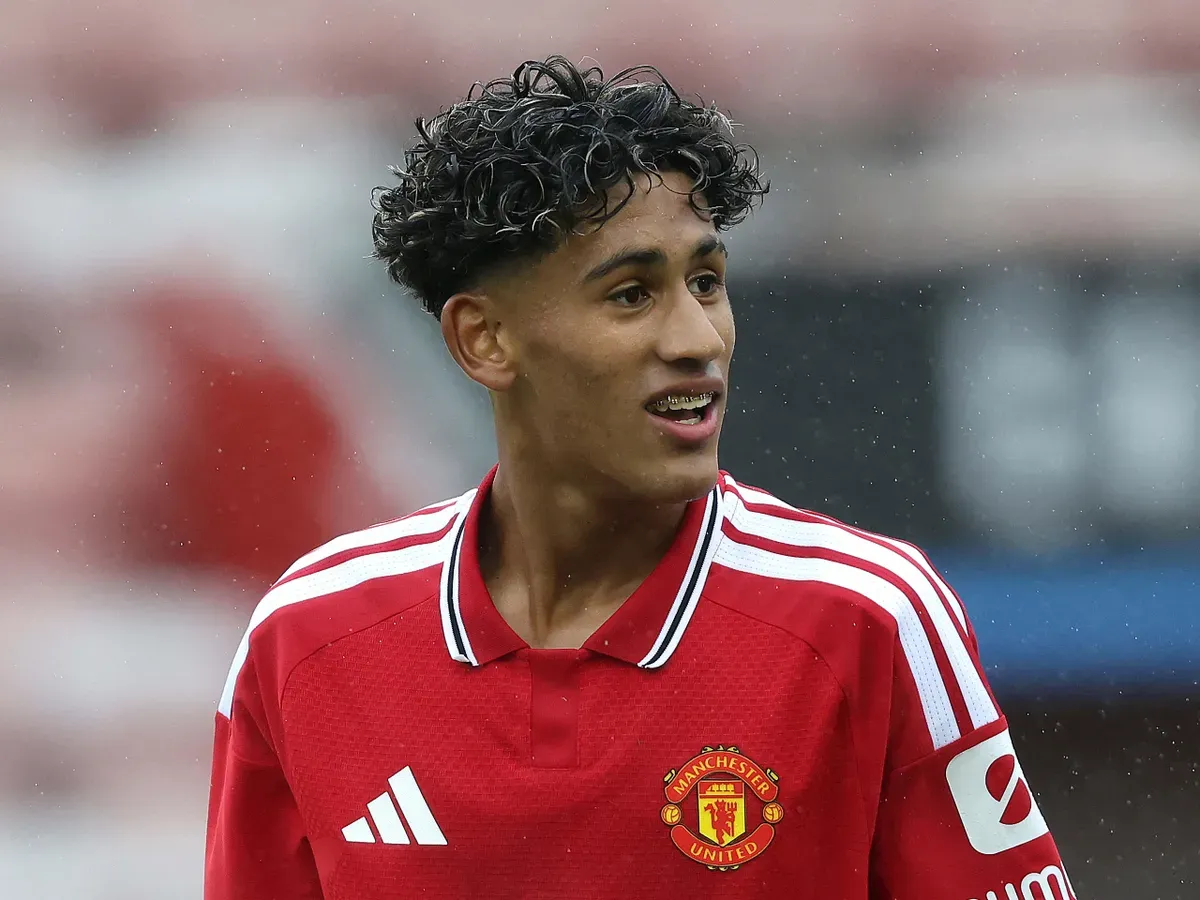
The transfer of JJ Gabriel from Manchester United to Real Madrid is no longer a question of *if*, but of *when*—and the financial contours of the deal now offer a rare glimpse into the economics of youth football. The 16-year-old, who became the youngest player to score a UEFA Youth League hat-trick for United in a 5-0 demolition of Sabah last September, has finalised terms with Madrid, with the move expected to conclude in January. The compensation United will receive is confined to training compensation—a sum typically in the six-figure range—reflecting the legal constraints on transfers involving minors under FIFA regulations.
What this reveals is the stark contrast between the commercial value of a player and the financial realities of their development. Gabriel’s potential as a winger or No 10 has been widely acknowledged, but the compensation structure underscores how clubs like United are often left with minimal financial upside when their young talents are poached by bigger names. For Madrid, however, the acquisition represents a calculated investment in their academy pipeline, one that aligns with their recent pattern of strategic reinforcements for Castilla—their B team. In the final stretch of the transfer window, Castilla made two notable signings: centre-back Oscar Naasei from Granada and midfielder Sergio Martinez of Racing Santander, with the combined expenditure exceeding €5 million. This is not typical Madrid spending for their reserve side, suggesting a deliberate effort to bolster their squad for competitive play and talent development.
The move also signals Madrid’s evolving approach to youth football. While the first team’s squad has long been built on homegrown talent, the investments in Castilla—particularly the high-profile acquisitions—indicate a recognition that depth and competition at the academy level are critical to nurturing future stars. Naasei and Martinez, both experienced players in their own right, bring tactical versatility and leadership that could accelerate the development of younger players in the system. For Gabriel, the transition to Madrid’s academy—where he will reportedly sign a long-term contract—could be a turning point. His ability to thrive in the high-pressure environment of Castilla will determine whether he fulfils the early promise that has already made him a focal point for United’s future.
The timing of Gabriel’s departure also raises questions about United’s own youth strategy. The club’s academy has produced talent in abundance, but retaining it has proven elusive. Gabriel’s move to Madrid follows a similar path to those of other young United players who have left for bigger clubs, leaving fans to wonder how the club can better structure its development to keep its most promising prospects. The compensation terms alone do not address the broader issue, but they do highlight the financial and legal challenges that come with developing young players in an era where top clubs are always poised to make a play.
One thing is certain: Gabriel’s arrival at Madrid will be closely watched. His ability to adapt to the demands of a top-tier academy—combined with the tactical resources now available to him through Castilla’s new signings—could set the stage for a career that transcends his current status as one of football’s most exciting prospects. For now, the focus remains on the January deadline, where the final details of the transfer will be ironed out. What follows will be a story not just of a player’s journey, but of how two clubs—one selling, the other buying—shape the future of football’s next generation.