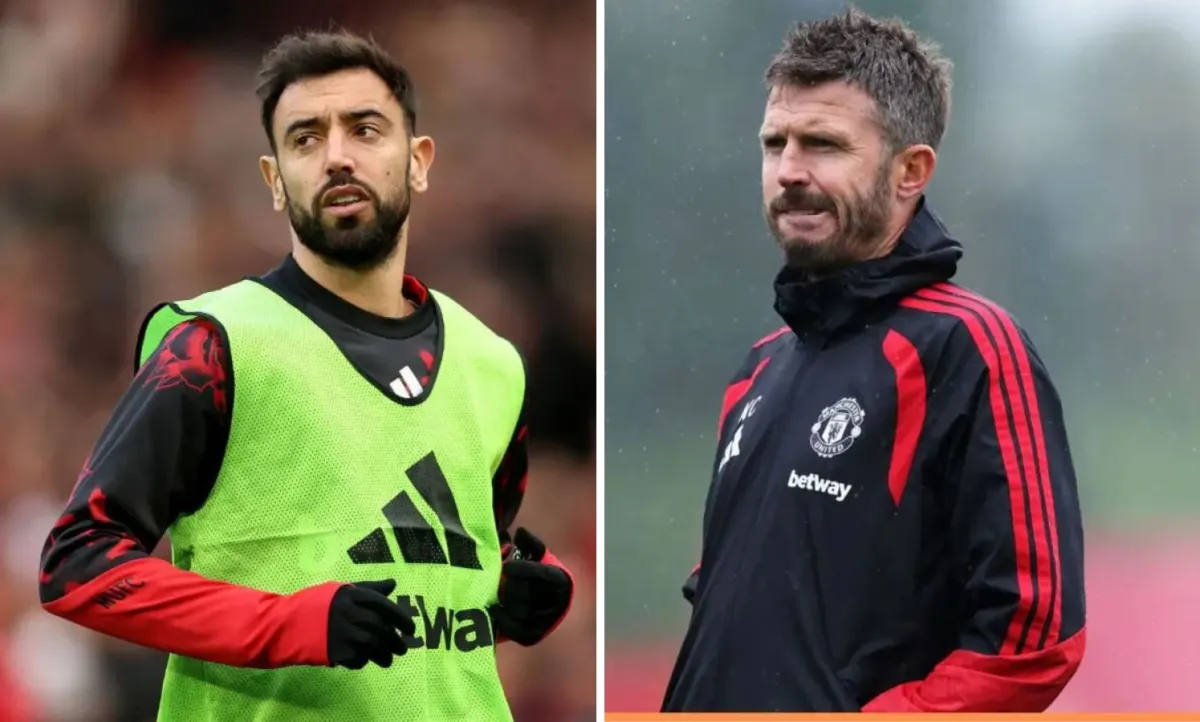
The meeting between Manchester United captain Bruno Fernandes and manager Michael Carrick was not just a formality—it was a desperate attempt to salvage something from a week that has laid bare the fractures at the heart of Old Trafford’s project. Fernandes, the club’s most influential figure, was left on the bench for the entirety of United’s 3-0 demolition at Bournemouth, a decision that followed his public criticism of Carrick’s tactical approach after the midweek Champions League humiliation against Como. The omission was not just a tactical call; it was a statement. And in a club where leadership is as much about perception as performance, the message was clear: the captain’s trust in the manager has been severely undermined.
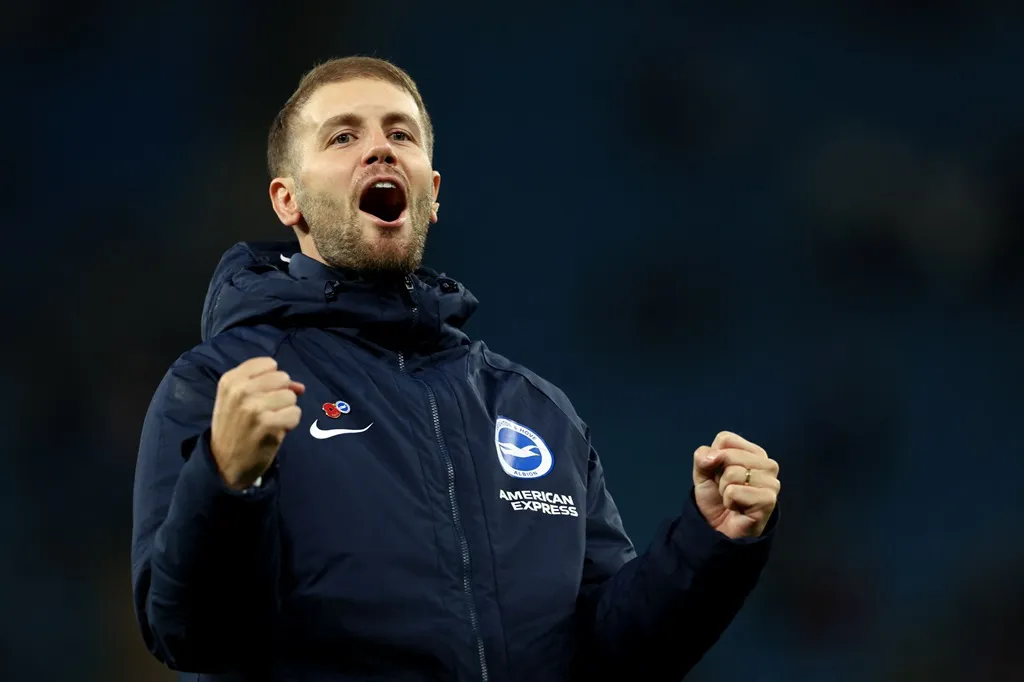
The fallout extends beyond Fernandes. Carrick’s tenure has been defined by a defensive crisis that now demands immediate reinforcements, with reports confirming the Brazilian goalkeeper Ederson is set to become the first signing of his era. Yet the urgency of the situation is not just about personnel—it’s about the morale of a squad that has seen three managers fired in as many years, each departure leaving behind a legacy of broken promises and unfulfilled expectations. The club’s board has publicly backed Carrick, but the cracks are visible. Internally, there are whispers of a shift in loyalty, with even the admiration for Fabian Hurzeler—currently at Brighton—suggesting the club is already looking beyond its present struggles. The question now is whether Carrick can rebuild trust before the transfer window closes, or if this will be another chapter in a cycle of managerial instability that has defined United’s recent history.
The bench decision against Bournemouth was not an isolated incident. It came after Fernandes had already questioned the tactical direction of the team, a rare public challenge that has sent shockwaves through the dressing room. The contrast between his vocal frustration and the manager’s apparent indifference to his concerns has created a rift that goes beyond the pitch. Carrick’s demand for reinforcements—particularly at left-back, where the squad remains exposed—highlights the deeper structural issues at play. The club’s defensive shape has been a recurring theme of failure, and without swift fixes, the pressure on Carrick will only intensify. The transfer window is now the only window for change, but with the captain’s loyalty in question and the board’s patience wearing thin, the clock is ticking.
What happens next will determine whether this is a temporary blip or the beginning of the end for Carrick’s tenure. The meeting between Fernandes and Carrick was a step toward damage control, but the damage has already been done. The club’s morals—its ability to unite behind a single vision—have been called into question, and the fallout from this week’s events will shape the narrative for months to come. For a franchise that has spent years chasing relevance, the stakes could not be higher. The next move will not just be about signing players; it will be about proving whether United can finally break the cycle of managerial failure and rebuild something sustainable.