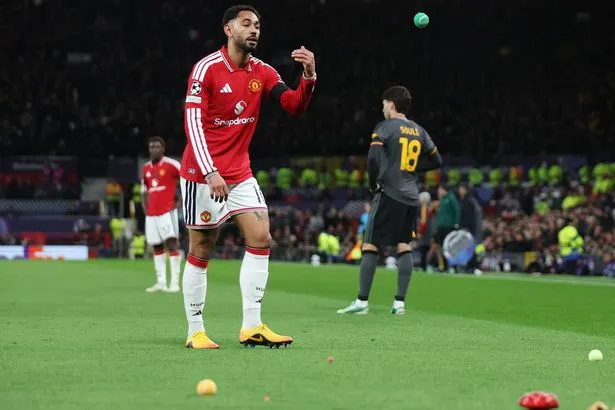
The atmosphere at Old Trafford on Tuesday night was defined not by the football, but by the protests. As Manchester United fought back from a 2-0 deficit to secure a 3-2 victory over Roma in the Champions League, the game was repeatedly halted when fans in the Stretford End threw tennis balls onto the pitch. The disruption forced play to stop in the 20th minute, with players and officials scrambling to clear the field before resuming. This was not an isolated incident—it was the latest escalation in a long-running campaign against the Glazer family’s ownership, which has simmered beneath the surface for over two decades.
The protest was visual as well as physical. Before kickoff, hundreds of green and gold balloons—symbolizing the colors of the anti-Glazer movement—were released into the stands, bouncing and drifting above the crowd. The gesture mirrored a similar display during the pre-match anthem, where supporters held aloft balloons in defiance of the ownership structure. The message was clear: the Glazer family, along with minority owner Sir Jim Ratcliffe, remain targets of deep-seated frustration among United’s fanbase. The timing of the protests was no coincidence. United’s nine-match winless streak across all competitions, stretching back to September, had fueled anger, and Tuesday’s result—hard-fought though it was—did little to ease the pressure on the club’s leadership.
The consequences of the protests were immediate and severe. Greater Manchester Police confirmed that 11 arrests were made in connection with the incidents, including three for throwing items onto the pitch. Among the charges were assault against an emergency worker, two public order offenses, one fraud allegation, and a drugs-related arrest. The escalation from symbolic gestures to physical confrontations marked a turning point in the club’s relationship with its supporters. While the game itself ended with a hard-earned victory, the broader narrative of dissent and unrest remained unresolved, casting a shadow over United’s efforts to reclaim their footing in Europe.
The protests are not merely about recent results but about the fundamental structure of the club. For years, United’s fanbase has demanded a break from the Glazer family’s ownership, which has seen the club’s financial health and on-field performance fluctuate wildly. The inclusion of Sir Jim Ratcliffe, a billionaire industrialist with no football background, has only deepened the divide. Tuesday’s events underscored that the issue is not one of passing frustration but a sustained, organized movement demanding change. Whether the protests will continue to escalate or find a resolution remains to be seen, but one thing is certain: the Glazer family’s grip on Manchester United is under unprecedented scrutiny.
For now, the focus shifts to how the club will address the fallout. The arrests and pitch invasions will dominate discussions in the coming days, overshadowing the tactical nuances of United’s comeback against Roma. The question is whether the protests will force a reckoning—or if they will simply become another chapter in the club’s long, turbulent history.