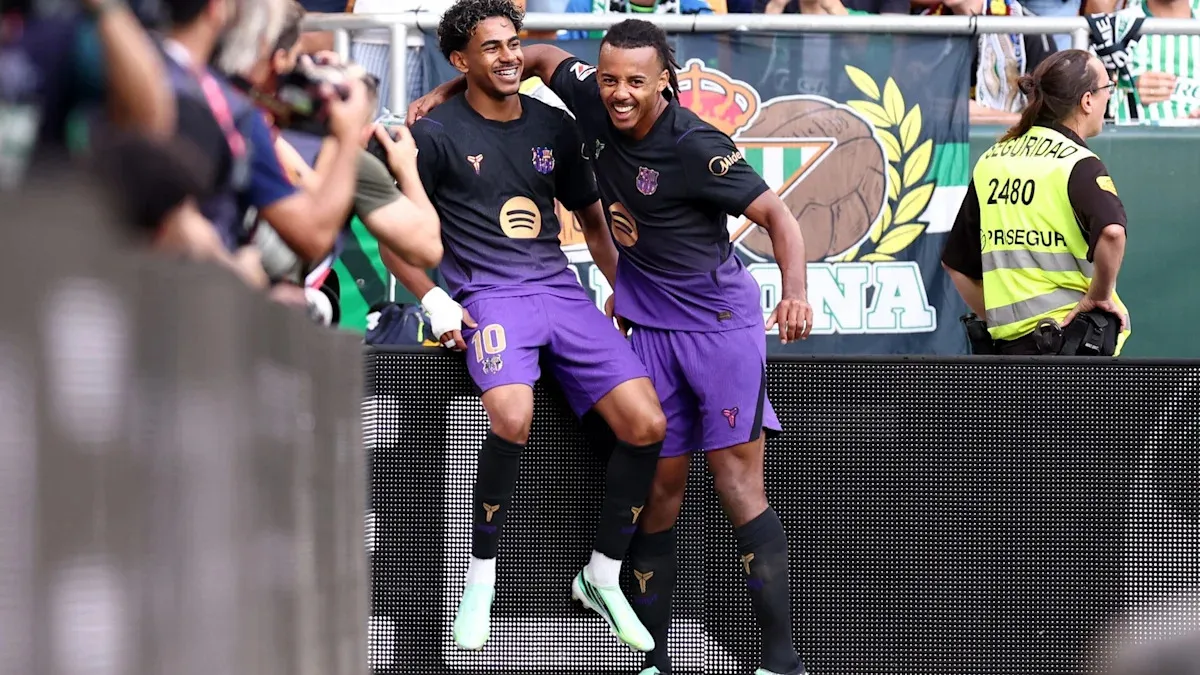
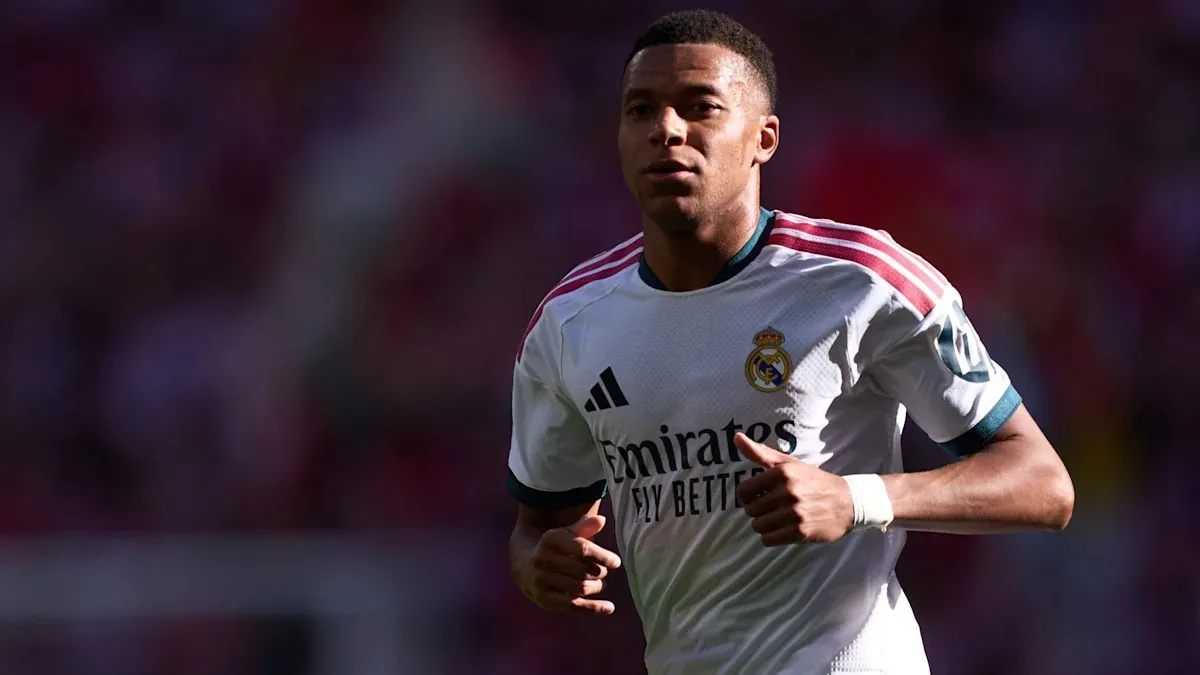
The diplomatic fallout from Kylian Mbappé’s controversial remarks has escalated into a full-scale broadcasting blackout for La Liga in China, with state television CCTV pulling all matches from its schedule and digital platform Migu excluding Real Madrid’s fixture from its lineup. The move follows Mbappé’s comments about Mao Zedong, which have sparked outrage in the Asian country, leading to a swift and decisive response from Chinese authorities. No La Liga match—including Barcelona’s 6-1 demolition of Deportivo Alaves—was shown on CCTV over the weekend, while Migu, which holds exclusive digital rights until 2030, has specifically removed Real Madrid’s upcoming clash with Racing Santander from its programming.
The consequences extend far beyond the screen. Chinese broadcasters have not only halted live coverage but have also withdrawn previous Real Madrid matches from their archives, isolating the club from its most valuable market outside Spain. With China accounting for 10-15% of Real Madrid’s international merchandise revenue—where Mbappé’s jersey is the top seller—and nearly 97 million fans in the country, the financial implications are severe. The club’s commercial partnerships, already strained by the controversy, now face heightened scrutiny, while reports suggest a planned tour of China may have been shelved entirely.
On the field, Real Madrid’s recent form has been undeniable. Under José Mourinho, the side has won six consecutive games across all competitions, sitting just a point behind Atlético Madrid and three behind league leaders Barcelona. Yet the off-field crisis has overshadowed their dominance. In their latest La Liga fixture, Madrid secured a hard-fought 1-0 victory over Racing Santander, though VAR intervened to overturn a penalty and rule out Jude Bellingham’s second goal. The hosts, returning to the top flight after a 14-year absence, suffered their first home defeat of the season, while Mbappé’s lone goal—scored after a difficult week—failed to erase the diplomatic damage.
The club’s response has been swift but limited. Real Madrid, along with La Liga president Javier Tebas, issued apologies in an attempt to mitigate the fallout, but the damage has already been done. Chinese state media has not wavered, and the broadcasting ban remains in place, signaling that this is not merely a temporary setback but a prolonged crisis. The situation underscores the growing risks of globalized football, where a single misstep by a star player can trigger widespread repercussions, threatening both on-field success and the commercial foundations that sustain elite clubs.