
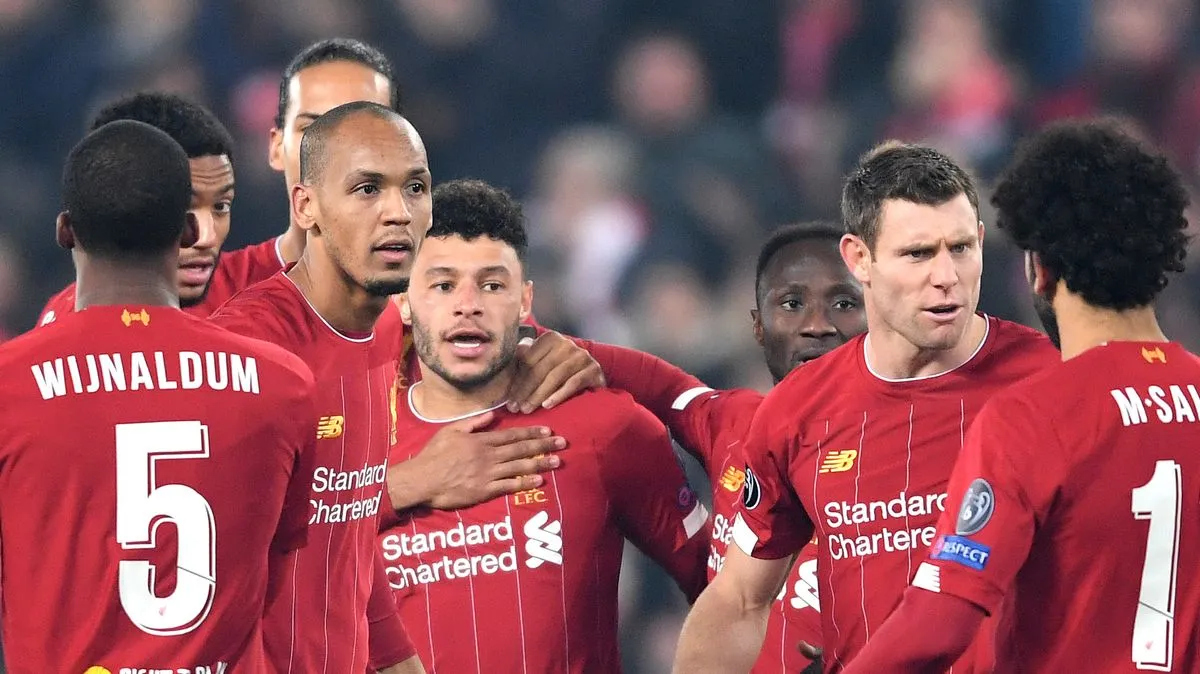
Modern football transfers frequently involve complex financial incentives and performance add-ons, but few details have raised as many eyebrows as the contractual terms surrounding former Liverpool midfielder Alex Oxlade-Chamberlain. As detailed in Alan Gernon’s 2018 book, The Transfer Market: The Inside Stories, a distinct clause required a £10,000 payout to Southampton every time Oxlade-Chamberlain played beyond 20 minutes in a match following his move to Arsenal, prior to his £40 million transfer to Liverpool.
The playing-time threshold meant that extended match participation directly activated substantial financial triggers. To balance squad management with financial planning, manager Arsène Wenger frequently utilized the midfielder as a late substitute off the bench—often after the 70th minute mark—to manage the financial impact of the agreement. Over the course of his tenure before making his eventual move to Merseyside, these mandatory appearance payments added up to significant sums.
As elite clubs across European football navigate financial sustainability rules, Oxlade-Chamberlain’s agreement stands out as a memorable example of modern football finance. The £10,000 clause for appearances lasting beyond 20 minutes illustrates how tailored contractual stipulations can influence both matchday decisions and the broader economics of top-flight sport.