
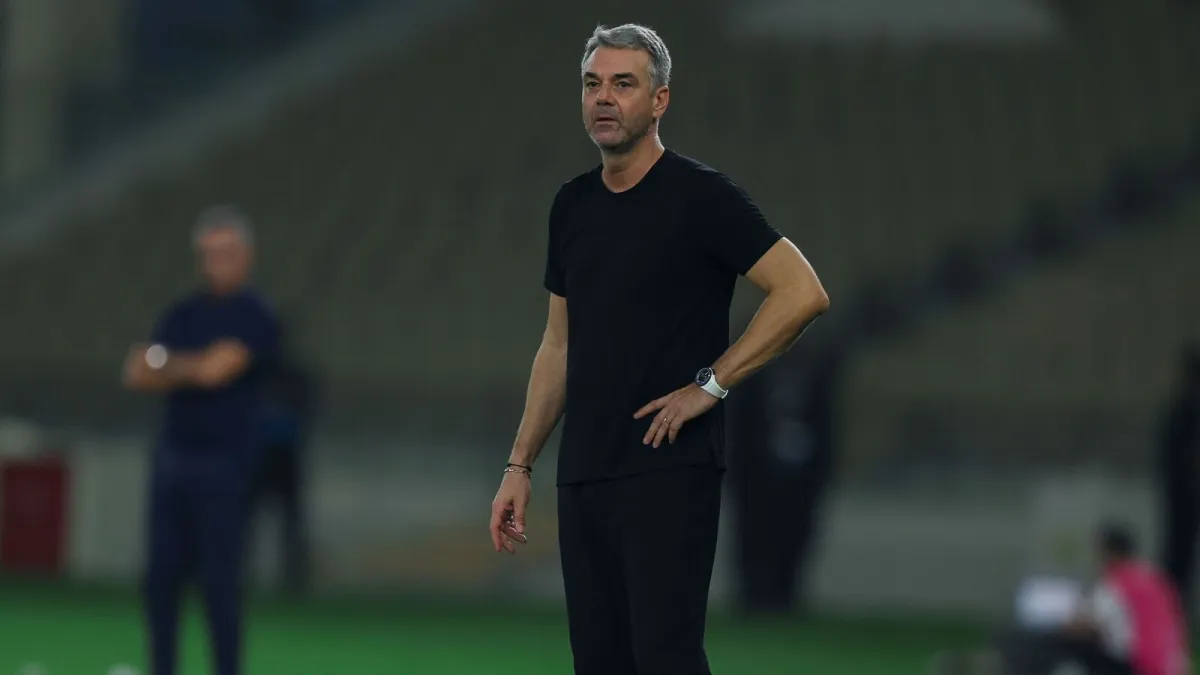
The writing was on the wall for Marino Pusic after Al-Ahli’s humiliating 6-1 collapse to Al-Shabab in the Saudi Pro League’s twelfth round. The defeat wasn’t just a tactical setback; it was a turning point. Reports had already begun circulating that the Croatian coach’s position was untenable, with internal pressure mounting after a season that had failed to deliver on expectations. Yet, despite the mounting criticism and the club’s desperate need for a change, Pusic’s fate was not sealed by the fans’ revolt alone—it was the numbers that ultimately saved him.
The financial calculus behind Al-Ahli’s hesitation is as telling as the club’s on-field struggles. Sources confirm that the executive management had already moved toward a dismissal, but the process stalled at the last hurdle: the money. Contractual obligations, severance packages, or even the cost of a swift replacement have tied the club’s hands. In Saudi football, where transfer fees and managerial contracts are often negotiated in the tens of millions, Al-Ahli’s board may have calculated that firing Pusic on the spot would be more expensive than the reputational damage of keeping him. The club’s recent history of high-profile managerial changes—where contracts were renegotiated or extended under pressure—suggests a reluctance to burn bridges without absolute certainty.
Pusic’s survival hinges on a delicate balance: can he turn around Al-Ahli’s fortunes in time to justify his role, or will the club’s patience run out before the AFC Champions League Elite campaign? The stakes are higher than ever. Al-Ahli’s recent performances have exposed vulnerabilities that extend beyond individual errors to systemic issues in their squad construction and tactical adaptability. Yet, the club’s decision to hold firm against immediate dismissal also signals a broader trend in Saudi football: the league’s rapid evolution means even the most underperforming managers can find reprieve if the financial ledger aligns. For Pusic, the next few weeks will determine whether he can reclaim the trust of the fans—or if Al-Ahli’s board will eventually conclude that no amount of money can salvage his tenure.
The implications stretch beyond Pusic’s personal future. His situation reflects a broader tension in Saudi football: the tension between the club’s commercial ambitions and the immediate pressure to deliver results. Al-Ahli’s board may have calculated that a prolonged managerial transition—with Pusic as a placeholder—allows them to explore higher-profile alternatives without the immediate fallout of a sacking. Meanwhile, the fans’ frustration remains palpable. The 6-1 defeat wasn’t just a loss; it was a moment that exposed the fragility of Al-Ahli’s project. Whether Pusic can navigate this crisis or if the club will eventually opt for a more decisive change remains the defining question of the season.