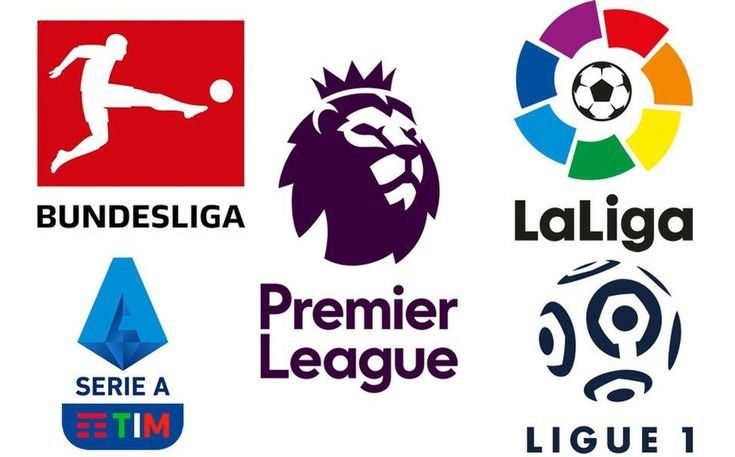
The Premier League, Bundesliga, La Liga and Serie A have delivered a coordinated, damning critique of FIFA’s governance, framing their joint statement as an existential call to action: “To unify the game, FIFA must reform.” The declaration, released simultaneously by Europe’s top leagues, does not mince words. It accuses FIFA’s president of actively advancing “exploitative ideas” rather than safeguarding the sport’s foundations, a charge that echoes the failed FIFA Forward Enterprise (FFE) scheme—whose withdrawal was only secured after sustained pressure from stakeholders. Yet the statement insists the conditions that enabled FFE persist, and superficial process changes will not suffice.
The heart of the critique centres on FIFA’s structural imbalance: the concentration of regulatory, commercial and political authority under a single leader, unchecked by meaningful stakeholder input or constitutional safeguards. The leagues argue that disciplinary matters—once insulated from political influence—now risk becoming entangled in broader governance decisions, undermining the integrity of football’s most sensitive proceedings. “The future of FIFA matters to everyone who cares about football,” the statement asserts, “because our sport cannot grow globally if its foundations are undermined.” This is not merely a critique of one individual, the leagues make clear, but a systemic failure of checks and balances that has allowed FIFA to operate with unaccountable power.
The declaration outlines three non-negotiable demands: first, that affected stakeholders be granted a real role in decision-making, not merely consultative input; second, that all major choices be driven by evidence-based analysis rather than ideological or commercial whims; and third, that FIFA’s regulatory functions be demonstrably separated from its commercial interests. The latter point is particularly pointed, given the ongoing scrutiny of FIFA’s financial dealings and the potential for conflicts of interest. The leagues’ language leaves no room for ambiguity: these are not suggestions, but prerequisites for any meaningful reform.
What makes this statement remarkable is its unity. Four leagues—each representing a distinct football culture, economic model and political landscape—have aligned in opposition to FIFA’s current trajectory. The timing is deliberate, coming as FIFA’s president has acknowledged the need for reform but offered only incremental, process-driven solutions. The leagues’ response is a direct challenge to that narrative: “Surface-level changes are not enough.” The message is clear. Football’s governing body must either adapt to the demands of its stakeholders or risk losing the trust of the very institutions that sustain its global dominance. The question now is whether FIFA will heed this call—or double down on a model that has repeatedly proven unsustainable.