

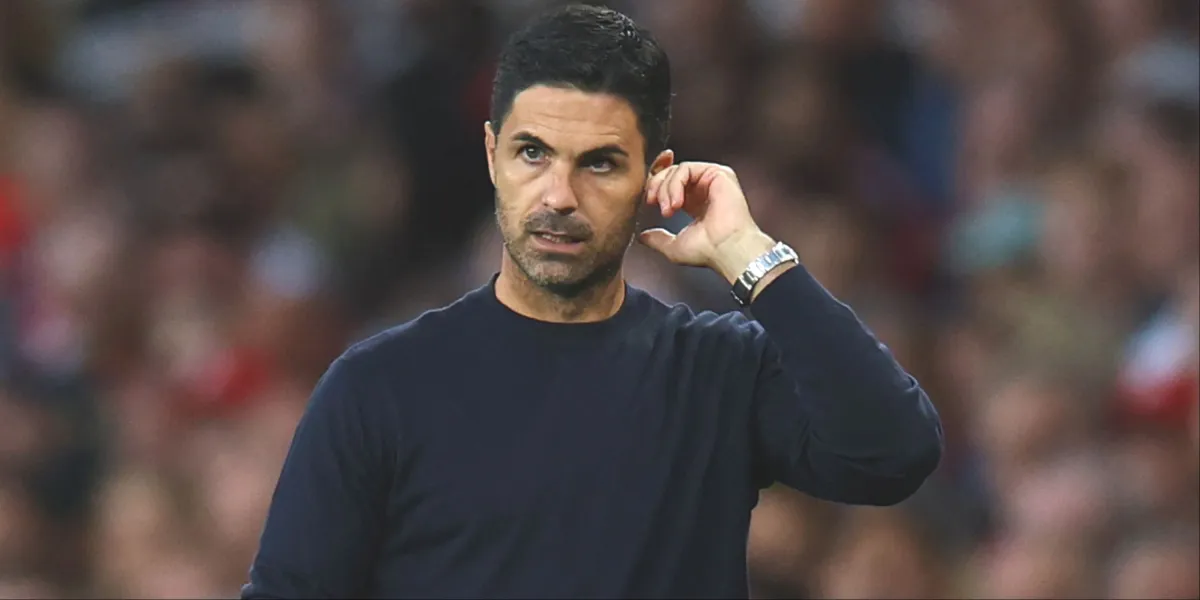
Mikel Arteta’s squad management in the Champions League has always been a study in calculated risk. Against Lille on Tuesday, he will face his most pressing tactical dilemma yet: whether to elevate Max Dowman into a starting XI role that has long been the preserve of Bukayo Saka, Martin Ødegaard, and Leandro Trossard. The 16-year-old’s recent goal against Everton—scored at 16 years and 73 days—was not just a personal milestone but a statement of intent. It was also his second competitive goal in as many months, reinforcing his status as Arsenal’s most promising young striker since the club’s academy system began producing world-class talent.
Dowman’s rapid ascent is rooted in consistency. Having made his Premier League debut at 15 years and 235 days, he became Arsenal’s youngest-ever Champions League appearance-maker in November, a record that underscores his readiness for the highest stage. Yet his call-up for the Lille game is more than a symbolic gesture. It is a test of Arteta’s willingness to disrupt the established hierarchy. Saka, Ødegaard, and Trossard—each a cornerstone of Arsenal’s recent resurgence—have been sidelined by injury or fatigue, leaving a void that Dowman’s emergence could fill. The question is whether Arteta will treat this as a temporary measure or the beginning of a permanent shift in the attack.
Lille’s challenge adds another layer of complexity. The French side, managed by Christophe Galtier, have been a consistent threat in Europe, combining defensive solidity with a counter-attacking threat that could expose Arsenal’s midfield vulnerabilities. Arteta’s decision to start Dowman—over a player like Eberechi Eze, who has shown flashes of brilliance in the Premier League—would signal a deliberate strategy: to accelerate the development of homegrown talent while maintaining the club’s competitive edge. Dowman’s physical attributes, technical refinement, and ability to operate in tight spaces make him a compelling option against Lille’s organized defense.
The broader implications are impossible to ignore. Arsenal’s academy has long been a breeding ground for talent, but Dowman’s potential to become a first-team regular at this stage of his career would mark a new era. His inclusion in the starting XI against Lille could be the first step toward a future where younger players like him and Noni Madueke—another academy product—share the spotlight with the established stars. For Arteta, the decision is not just about the immediate game but about shaping the club’s identity for years to come. If Dowman delivers, it will be a testament to Arsenal’s commitment to nurturing homegrown talent while still competing at the highest level.
One thing is certain: Arteta will not make this call lightly. The Champions League demands precision, and a young striker’s debut in such a high-pressure environment requires careful consideration. Yet the opportunity to witness Dowman’s progression from academy prodigy to first-team starter is one that Arsenal fans have waited years to see. Whether Tuesday night’s start is a one-off or the beginning of a new chapter, it will be a moment etched in the club’s history.



