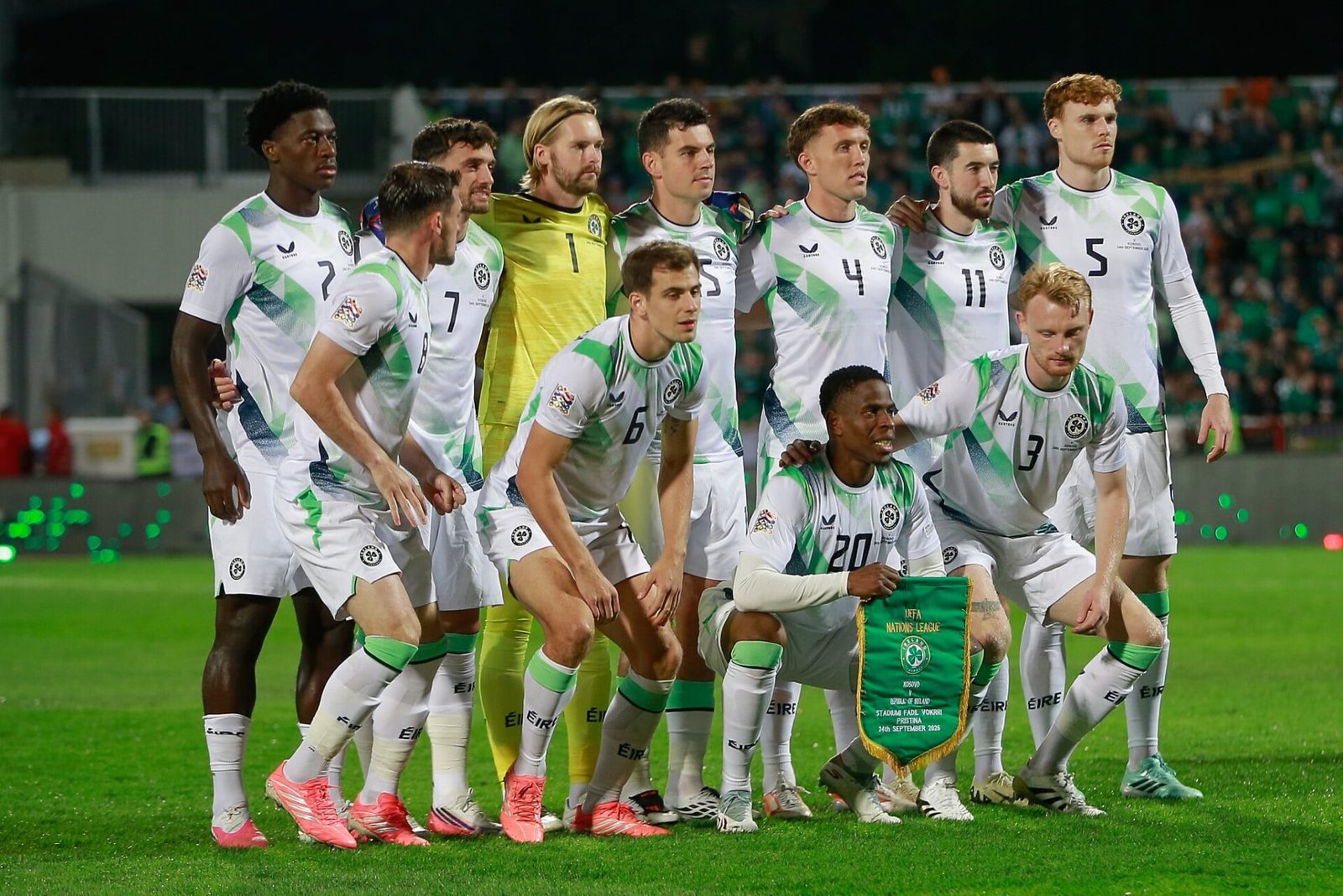
The UEFA Nations League fixture between Ireland and Israel in Debrecen was supposed to be a straightforward test of form. Instead, it has become a microcosm of the deeper political and personal fractures plaguing Irish football. After a player’s public declaration that he would not take part in the match, manager Heimir Hallgrimsson’s resolve to proceed with the game has been tested like never before. The FAI’s confirmation that the fixture will go ahead—despite the internal dissent—has left the squad in a precarious position, with morale already strained by the weight of expectation and controversy.
The drama began when a senior Ireland player approached Hallgrimsson on Saturday morning with a direct message: he would not be available for selection in the upcoming match against Israel. The revelation came as no surprise to those familiar with the growing unease among the squad. Over the past week, tensions had simmered beneath the surface, with players arriving in Hungary visibly uneasy about the fixture’s implications. The decision to play in Israel—a country whose political status remains contentious—has divided the squad, with some players reportedly expressing their discomfort privately. Hallgrimsson’s handling of the situation has been met with scrutiny, as he has insisted on maintaining the fixture’s integrity despite the internal pushback.
The fallout from this decision extends beyond the immediate match. Ireland’s approach to such political and ethical dilemmas has long been a topic of debate, but this fixture has forced the issue into sharp relief. The FAI’s confirmation that the game will proceed—despite the player’s boycott—suggests a firm stance on the priority of international football obligations. Yet the optics of the situation remain difficult to ignore. For a squad already grappling with the pressure of qualifying for Euro 2024, the internal divisions could prove distracting at a critical juncture. Hallgrimsson’s ability to unite the team in the face of this controversy will be tested as much as his tactical acumen on the pitch.
The implications of this fixture extend beyond the immediate matchup. Ireland’s stance on such political matters has historically been one of neutrality, but the growing unease among players signals a shift in perspective. The decision by one player to refuse participation sends a clear message: the personal and ethical costs of representing a nation in such a context cannot be ignored. For Hallgrimsson, the challenge now is to navigate this delicate balance—ensuring the squad remains focused on football while acknowledging the very real concerns of its players. The match in Debrecen will not just be a test of skill; it will be a test of resolve, both on and off the pitch.
As the squad prepares for Sunday’s game, the atmosphere in Debrecen is one of quiet tension. The FAI’s insistence on proceeding with the fixture has not silenced the dissent, but it has set a precedent: Ireland’s international commitments take precedence over individual objections. Whether this approach will ultimately strengthen the squad’s unity or deepen the divisions remains to be seen. One thing is certain—the Nations League clash with Israel will be remembered not just for its tactical significance, but for the moral and political questions it has laid bare in Irish football.