The football calendar has just undergone its most significant overhaul in years, and the immediate fallout is already clear: European clubs are being forced to endure a brutal 16-day break in mid-September, a period so prolonged that even the most disciplined squads will struggle to maintain momentum. The Premier League, for instance, concluded its fifth round on September 20 and will not resume until October 10—a gap that, in the past, was split into two separate two-game windows. The change, approved by FIFA in 2023 and implemented this season, consolidates the September and October breaks into one unified period, allowing national teams to play up to four matches in succession. The logic is simple: reduce chronic travel fatigue and eliminate the mid-autumn fixture pile-up that has long plagued players and coaches alike.
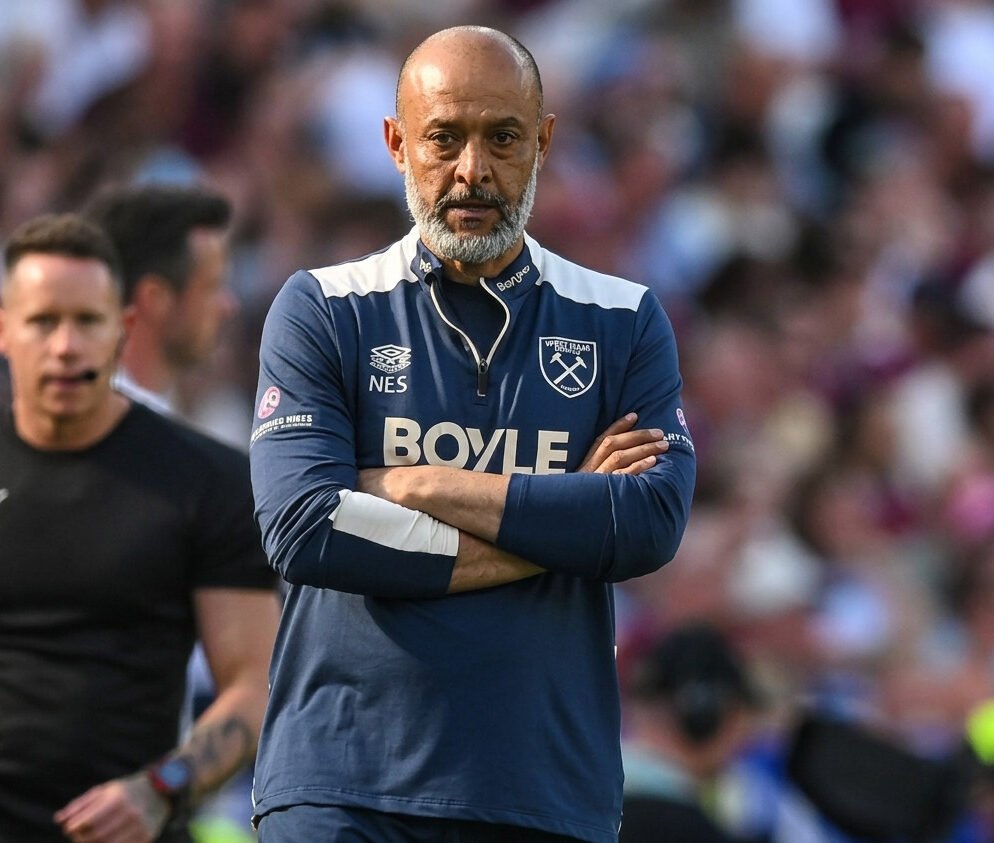
Yet the reality on the pitch is far less straightforward. For clubs like Kaizer Chiefs, already battling consistency issues and a dressing room resembling a ‘casualty ward,’ the extended break could be a double-edged sword. While the additional time offers an opportunity to reinforce tactical systems and allow injured players to recover, the absence of competitive football for nearly three weeks risks demoralizing squads that have just begun to find their footing. In the Premier League, where teams like Tottenham Hotspur have already voiced frustration over the disruption, the break threatens to derail the carefully calibrated rhythm of the season. The old system, with its two shorter windows, at least allowed clubs to return to training with a sense of urgency. Now, with 20 days without action, the question remains: will players return with the same hunger, or will the break become a period of stagnation?
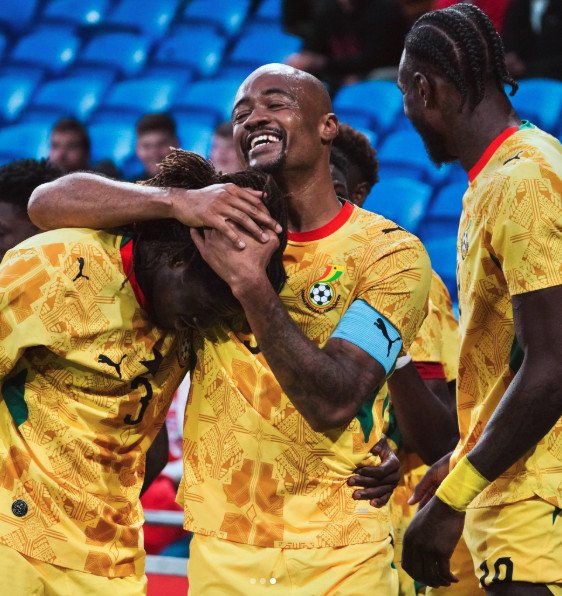
The implications for national teams are equally complex. Players like Mbekezeli Mbokazi and Relebohile Mofokeng, who represent Bafana Bafana while playing in leagues as far-flung as the USA and Europe, stand to benefit from the consolidation. Previously, they would have faced two separate trips in quick succession—first for September fixtures, then again in October. The new format reduces the logistical nightmare, though the extended break means they will miss even more domestic action. For clubs, the challenge lies in balancing player welfare with competitive urgency. The Premier League’s decision to avoid scheduling matches on Monday nights before or Friday nights after international breaks is a small concession, but it does little to mitigate the broader disruption.
FIFA’s justification—player welfare and a ‘fit-for-purpose’ calendar—is hard to argue with. The global football body has long acknowledged the unsustainable demands placed on players, particularly those representing countries outside Europe. Yet the practical consequences of this change are already visible. Supporters, already frustrated by the fragmented nature of the season, will now face three weeks without their teams. The Premier League’s off-season, traditionally a time of relative calm, has been weaponized into a period of forced inactivity. The question now is whether this radical shift will ultimately improve the game—or simply make it harder for clubs to compete in an era where every match matters.
One thing is certain: the 2026-27 season will be a test case for FIFA’s new approach. If the extended break proves beneficial—if players return refreshed, if clubs can rebuild their momentum—then this could become a blueprint for future seasons. But if the disruption outweighs the benefits, if teams struggle to regain their rhythm, then the experiment may be seen as a misstep. For now, the football world watches, waiting to see whether FIFA’s bold gamble pays off—or if the calendar overhaul becomes another source of frustration in an already crowded season.