Australia’s World Cup campaign wasn’t just a story of resilience or tactical evolution—it was a quiet revolution. The Socceroos didn’t just play differently against Brazil; they played with a newfound assurance, a swagger that had been years in the making. And the catalyst? A summer of transfers that didn’t just upgrade the squad but rewired its collective psyche.
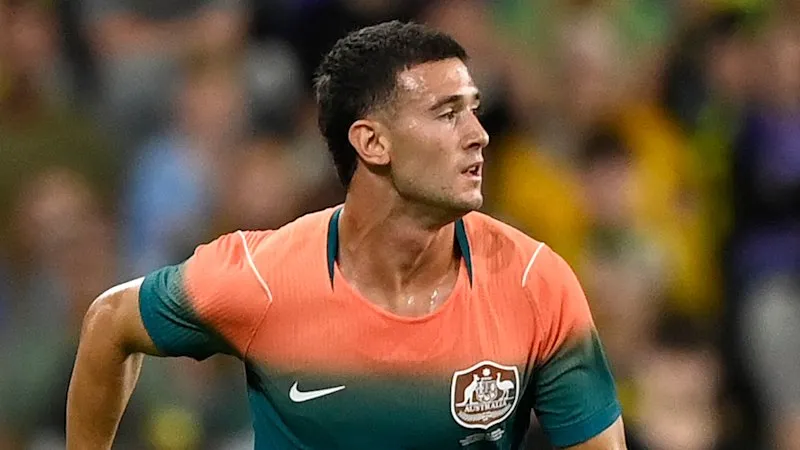
The impact was undeniable. When Australia faced Brazil in their opening match, the team didn’t just compete—they *believed*. That belief wasn’t born from luck or last-minute reinforcements. It was the product of a deliberate overhaul, where players like Alessandro Circati and others had recently joined bigger clubs, bringing with them the confidence of competing at the highest level. The shift wasn’t subtle. It was visible in the way they moved, in the way they pressed, in the way they refused to be intimidated by a team they had historically struggled against. The Socceroos weren’t just playing for pride anymore. They were playing for a future they had helped shape.
Circati, now a key figure in the midfield, embodies this transformation. His move to a top-tier club wasn’t just about personal ambition—it was about bringing a different mindset to the national team. The ripple effect has been immediate. Players who once carried the weight of underachievement now carry the weight of expectation, and the difference is palpable. The Socceroos aren’t just chasing respect; they’re demanding it. That mentality shift is what turned a World Cup campaign into a statement of intent.
The question now is whether this is a temporary high or the start of something lasting. The transfers alone didn’t guarantee success, but they did create the conditions for it. The confidence isn’t just individual—it’s collective. And when a team plays with that kind of unity, even against the best, the results follow. For the first time in years, Australia isn’t just playing to survive. They’re playing to win—and that’s a game-changer.