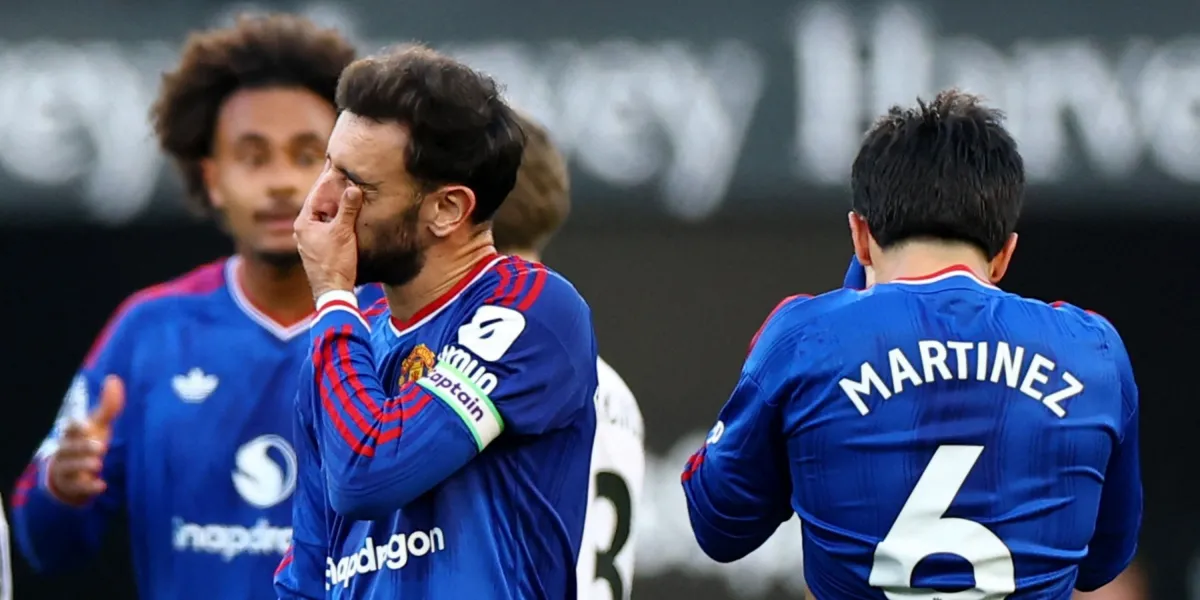
The opening four games of the 2026/27 Premier League season have delivered a stark reality check for Manchester United. The numbers don’t just tell a story—they scream one. Ranked 14th in total distance covered (449.1km), 18th in sprints (379), and 19th in high-speed runs (1,364), United’s physical output is not just below par—it’s dangerously close to the bottom of the table. These figures, compiled by a leading analytics provider, expose a team that is not just falling behind tactically but is also failing to impose its will through sheer work rate, a hallmark of their identity under previous regimes.
The contrast with the league’s elite is brutal. Manchester City, the reigning champions, have already covered 122.4km in a single match this season—nearly a quarter more than United’s entire four-game total. Brentford and Wolverhampton Wanderers, both mid-table contenders, have also outpaced United in distance covered, yet United’s struggles extend beyond possession. Six of the nine teams that won their first four matches of the season finished with less than 50% possession, yet United’s inability to sustain pressure or cover ground at pace is a red flag. The data suggests a team that is not just playing for results but is also losing the battle for dominance in every phase of play.
The implications are clear: United’s work rate deficit is not a temporary blip but a structural issue. The Red Devils have long prided themselves on their physicality, a trait that defined their 2016/17 title challenge and their 2018/19 FA Cup triumph. Yet in 2026/27, their players are covering less ground than ever before, even in victories. The question now is whether this is a product of tactical evolution—or a sign of a squad that has lost its edge. The numbers don’t lie, and the league’s hierarchy is already taking notice.
For a club that has historically relied on intensity to break down opponents, this season’s work rate figures are a wake-up call. The gap between United and the top six is widening, and the data suggests it’s not just about tactics or personnel—it’s about endurance. If United cannot reverse this trend, the physical toll of a 38-game campaign could prove decisive. The Premier League is a league where fitness and work rate often decide championships, and United’s current trajectory suggests they are playing catch-up from the outset.
The next few weeks will determine whether this is a temporary slump or the beginning of a sustained decline. One thing is certain: the numbers have spoken, and they are not in United’s favor.