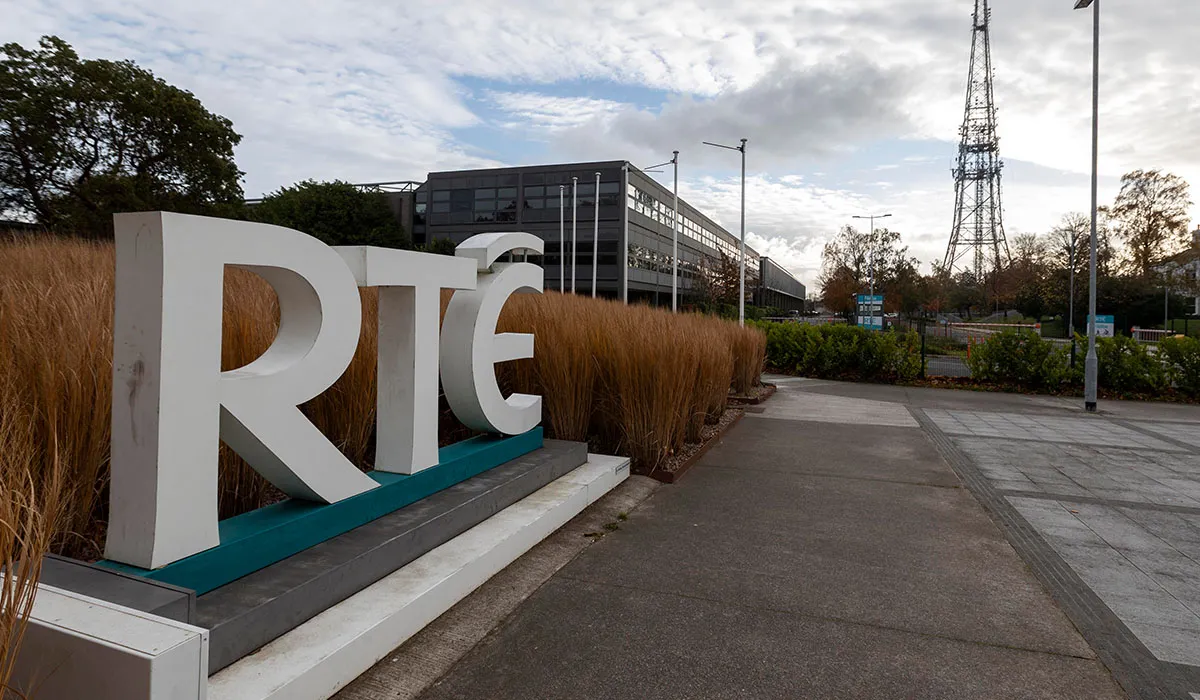
The decision by RTÉ to withdraw live radio coverage of Ireland’s upcoming Nations League matches has ignited fury among football fans and industry insiders, who describe it as a ‘dangerous precedent’ that undermines the station’s commitment to major sporting events. Sources within RTÉ’s sports department confirm that none of the upcoming fixtures—against Kosovo, Israel, or Austria—will be broadcast live on radio, a stark contrast to the station’s usual coverage of high-profile tournaments.
The move has come as a particular blow given RTÉ’s recent success in delivering extensive live sports content. Just weeks earlier, the station celebrated broadcasting 104 World Cup games live, outpacing both the BBC and ITV in coverage depth. Yet despite this achievement, the Nations League—an event of growing importance for Ireland’s national team—has been sidelined without explanation. RTÉ’s spokeswoman defended the decision as a ‘scheduling issue,’ a claim dismissed by insiders who suggest the real reason lies in cost-cutting measures that have already stripped the sports department to its bare bones.
The timing of this decision is particularly ironic given RTÉ Radio 1’s continued dominance in listenership. With *Morning Ireland* maintaining a robust audience of 457,000 listeners—an increase of 5,000 since May—RTÉ’s flagship show remains the most popular in the country. However, other key programs like *Liveline* have seen significant declines, dropping 14,000 listeners in recent months. This inconsistency raises questions about whether the Nations League’s exclusion is part of a broader strategy to reduce expenses, even at the expense of live sports coverage that defines RTÉ’s identity.
The fallout extends beyond fan frustration. Sources within RTÉ’s sports team were reportedly given the news last week without any justification, leaving them baffled by the abrupt change. The decision contrasts sharply with the station’s recent revamps of its radio schedules, which included major overhauls for both Radio 1 and 2fm—changes intended to modernize its approach to sports programming. Yet even as RTÉ celebrates its success in delivering live sports, the Nations League’s exclusion signals a potential shift in priorities, one that could set a troubling example for future tournaments.
For now, Irish football fans are left to wonder how such a decision was made without consultation or transparency. The Nations League, a competition that has grown in stature for Ireland’s national team, deserves the same level of coverage as the World Cup or the GAA Championship. Without live radio broadcasts, a significant portion of the audience—those who rely on radio for real-time commentary and atmosphere—will be left out in the cold. The question now is whether this is an isolated incident or the start of a broader trend that could reshape how RTÉ approaches live sports in the future.