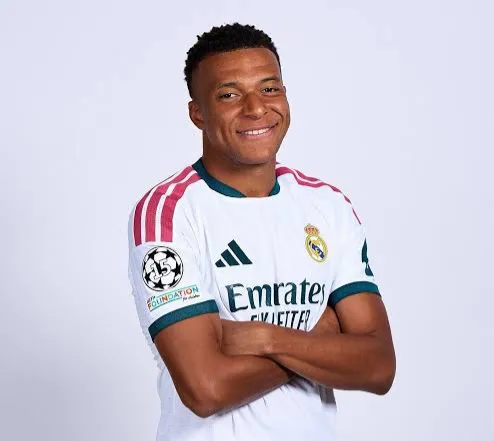
Kylian Mbappé has made his case for the 2026 Ballon d’Or with the same relentless confidence that defines his on-field performances. The Real Madrid forward, now 27, has spent months insisting that his individual brilliance—48 goals and 10 assists across La Liga, the Champions League, and the World Cup—should be enough to secure the award, even without a major trophy to his name. His argument is simple: the Ballon d’Or is an individual honor, and his numbers speak for themselves. Yet, as the 30-man shortlist for next month’s ceremony at the London Palladium solidifies, Mbappé’s challenge is clear. The voters have historically favored players who lift trophies, and with Real Madrid ending the season without silverware and France finishing fourth at the World Cup, his case is complicated.
Mbappé’s statistics are undeniable. He became the all-time leading scorer in World Cup history with 22 goals, a record that alone places him in elite company. Domestically, he led La Liga in scoring and delivered 42 goals for Real Madrid in 2025–26, reinforcing his status as one of the game’s most lethal forwards. His dribbling, pace, and finishing—hallmarks of his play—have made him a constant threat, yet the absence of a Champions League trophy or a domestic title looms large. The award’s voting system has long prioritized team success, and Mbappé’s trophyless season risks undermining his candidacy, even as he points to past winners like Stanley Matthews, Kevin Keegan, and Cristiano Ronaldo, who also claimed the Ballon d’Or without major silverware in their respective years.
The competition for the 2026 Ballon d’Or is stacked. Lamine Yamal, Harry Kane, and reigning winner Ousmane Dembélé all have stronger trophy resumes, with Yamal’s La Liga title and Kane’s Premier League success adding weight to their campaigns. Even players like Jude Bellingham, who overcame an injury-plagued season to dominate in North America, have a clearer path due to their recent World Cup performances. Mbappé’s reliance on individual metrics—goals, assists, and World Cup heroics—may not be enough to overcome this hurdle, especially when contrasted with teammates who did win titles. Yet his defiance is telling: he refuses to let the lack of silverware define his legacy, insisting the Ballon d’Or belongs to the player, not the team.
What remains uncertain is whether the voters will follow his logic. The award’s history is littered with players who won despite trophyless seasons, but the trend has shifted toward favoring those who deliver both individual excellence and collective success. Mbappé’s nomination alone places him in a storied conversation, alongside legends who proved that greatness can transcend trophies. Still, his path forward will depend on whether the voters prioritize his unmatched consistency over the comfort of a winner’s mentality. One thing is certain: Mbappé’s campaign has already elevated the debate around what truly defines a Ballon d’Or winner.