The Premier League’s summer transfer window has laid bare the most stark contrast yet in European football’s financial hierarchy, with UEFA now warning of a “clear two-speed system” emerging that risks destabilising the sport’s financial equilibrium. The data is undeniable: mid-table English clubs like Brentford and Fulham are now capable of matching the transfer budgets of Italian giants such as AC Milan and Juventus, a reality that has left governing bodies scrambling to contain the fallout. The root cause? The Premier League’s relaxed spending rules—particularly for non-European clubs—allow them to operate with significantly higher financial flexibility than their counterparts in La Liga, the Bundesliga, or even the EFL itself.
The disparity is not merely theoretical. While UEFA’s Sustainable Club Finances (SCR) regulations cap Champions League participants at 70% of revenue allocation for transfers, Premier League clubs outside Europe face no such constraints. This loophole has empowered sides like Brentford and Fulham to pursue high-profile signings with impunity, a trend that has alarmed Javier Tebas, president of La Liga, who has repeatedly criticised the Premier League’s “inflationary” approach. Tebas’s warnings—delivered just last month—highlighted the urgent need for harmonised financial regulations across Europe, arguing that without intervention, the imbalance will only deepen. Yet UEFA’s own concerns extend beyond rhetoric: internal assessments suggest the current system could further erode financial stability, particularly for clubs already operating under tighter budgets.
The fallout is already visible in the negotiations between the Premier League and the EFL. Sources indicate that EFL clubs have been explicitly warned that invoking the “backstop”—a regulatory safeguard intended to prevent excessive financial strain—could delay any new agreement by up to two years. The stakes are high: the Independent Football Regulator (IFR) is expected to publish its “State of the Game” review in the coming weeks, a document that could either bolster the EFL’s negotiating position or leave them further exposed. Meanwhile, the Premier League’s commitment to a “football-led solution” remains unshaken, though the timeline for resolution remains uncertain. The league’s statement last week—reiterating its “generous proposal” to the EFL—suggests that while discussions persist, the urgency of the situation has not yet translated into concrete action.
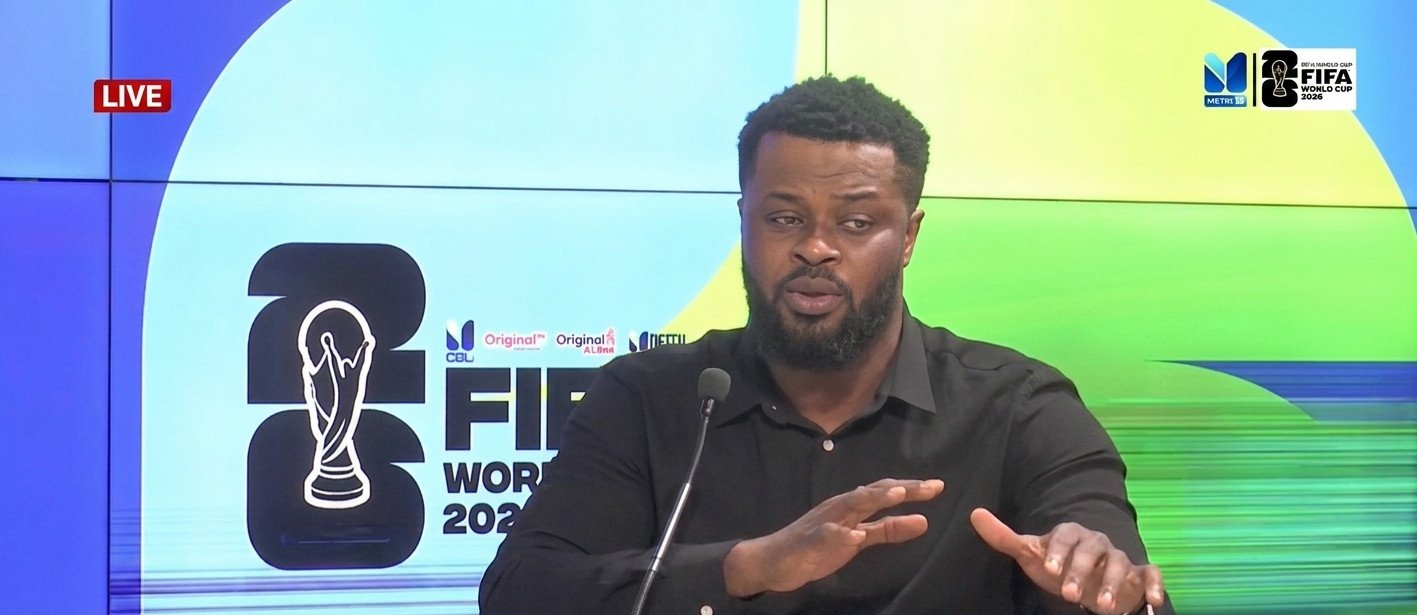
Across the Atlantic, Major League Soccer is navigating its own transfer market evolution, though with a different set of constraints. Since introducing traditional transfer fees in 2022, MLS clubs have embraced the model with growing frequency, though the long-term implications remain unclear. Conservative teams are adopting cautious approaches, avoiding contracts that could complicate future financial adjustments, while others are positioning themselves for potential rule changes—including extended pay structures and delayed compensation—that could reshape the league’s economic framework. The shadow of the 2026 World Cup looms large, adding another layer of uncertainty to an already volatile transfer landscape.
The broader question is whether UEFA’s warnings will translate into meaningful action. The two-speed system is not just a theoretical concern; it is a reality that threatens to fragment European football’s financial fabric. Without intervention, the gap between the Premier League’s financial powerhouses and the rest of the continent will only widen, undermining the very principles of fair competition that define the game. The next few weeks will be decisive: the IFR’s review, the Premier League-EFL negotiations, and MLS’s ongoing reforms will determine whether football’s economic divide deepens—or if a solution emerges before it’s too late.