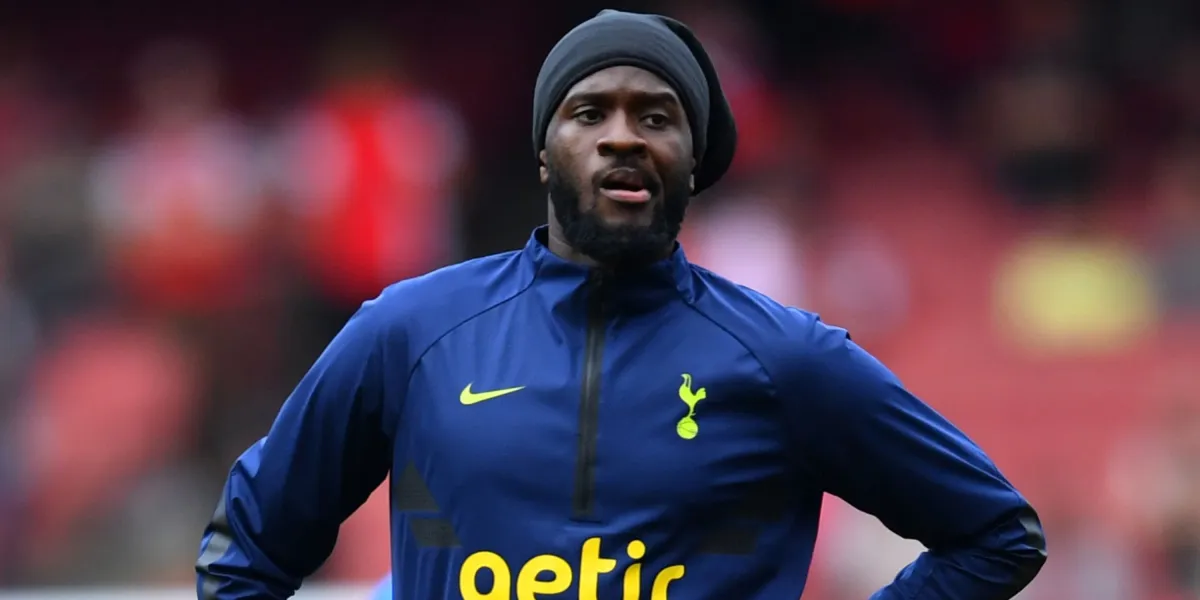
Tottenham Hotspur’s £85m signing of Mateus Fernandes arrived with the kind of hype that once surrounded Tanguy Ndombele’s 2019 arrival from Lyon. Both players were midfield talents of undeniable quality, their technical gifts seemingly tailor-made for a club desperate to elevate its creative output. Yet within months of their arrivals, the narrative shifted from promise to frustration—partly because of the players themselves, but largely because of how they were deployed.
Ndombele’s story is now a cautionary tale in modern football transfers. Signed for £63m including add-ons, he was positioned in a midfield that prioritised physicality and directness, roles that didn’t align with his fluid, possession-based game. The system didn’t adapt to him, and the result was a player whose potential was stifled under the weight of tactical inertia. Fernandes, meanwhile, is an old-school midfielder—one who thrives in a deeper, more traditional role, dictating play from the centre with defensive solidity and offensive creativity. Yet Roberto De Zerbi has repeatedly used him as a false number 10, a position that doesn’t suit his strengths and risks undermining his confidence at a crucial stage in his career.
The stakes couldn’t be higher. At £85m, Fernandes is already under intense scrutiny, his first few games at Spurs offering little clarity on whether he’ll live up to the billing. De Zerbi’s reluctance to adjust his role—despite the clear mismatch—suggests a pattern of stubbornness that could prove costly. The manager’s tactical identity is built on fluidity and positional play, but applying that philosophy to a player who isn’t a natural false nine is a contradiction that may only harm Fernandes in the long run. The risk? Another midfield signing whose talent is wasted because the system failed to evolve with him.
What makes this situation particularly troubling is the speed at which the comparison to Ndombele is forming. Both players were seen as solutions to a midfield problem, both arrived with record-breaking fees, and both have struggled under managers who didn’t adapt their roles. The difference now is the scale of the investment—Fernandes’ fee dwarfs Ndombele’s, and the consequences of another misstep would be even more devastating for Spurs’ financial health and on-pitch credibility. The question isn’t whether De Zerbi will eventually find the right system for Fernandes; it’s whether he’ll do so before the damage to the player’s confidence—and the club’s reputation—becomes irreversible.