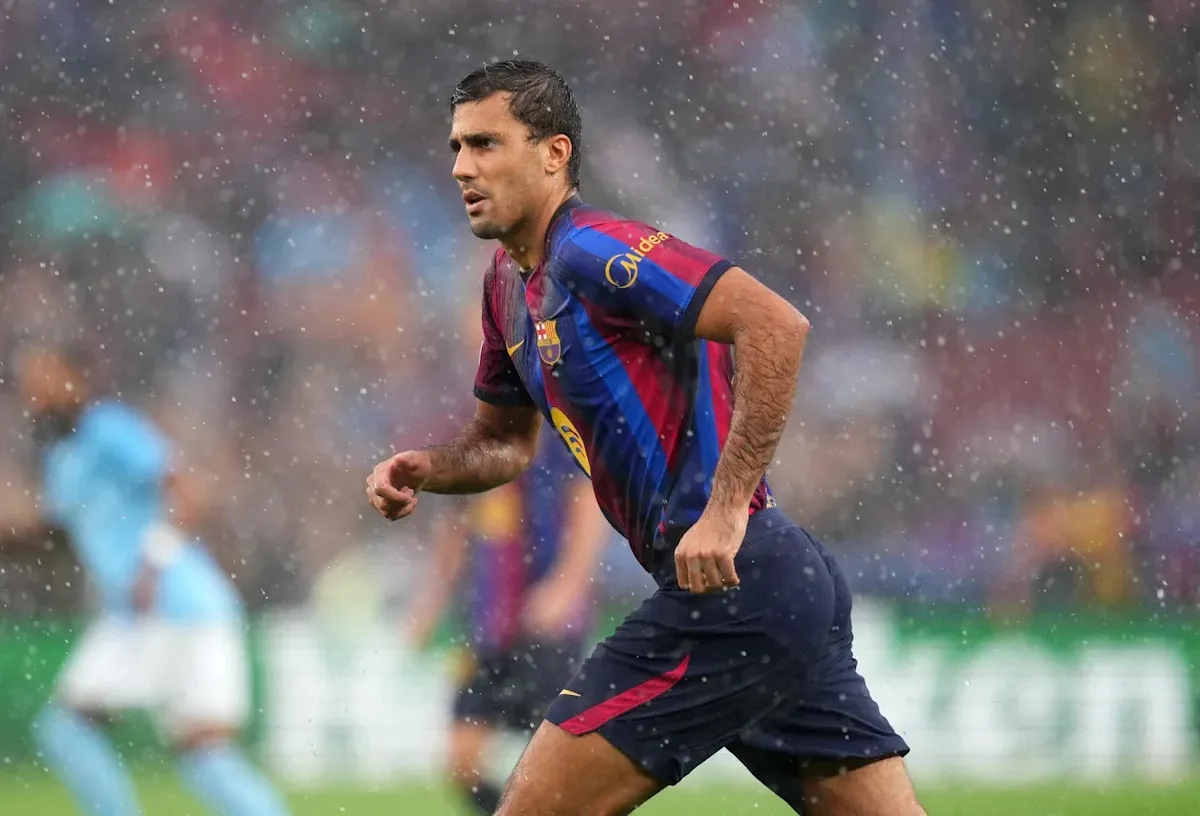
Barcelona’s captaincy hierarchy has undergone a significant overhaul ahead of the new campaign, yet one notable name remains absent from the official list of five squad leaders. Despite arriving as one of the most decorated midfielders in world football, 30-year-old Rodri will not wear the armband for the Catalan club this season. The midfielder completed a high-profile transfer from Manchester City in mid-August in a deal worth up to €76.5 million (£65.3m; $87.8m), fresh off captaining Spain to World Cup glory in July. However, his vast international standing and individual accolades haven’t translated into an immediate spot within Barça’s formal leadership group.
The decision comes down strictly to the unique tradition surrounding captaincy selection at Barcelona. At the club, the captaincy vote is heavily dictated by seniority—measured not by overall age or career achievements, but specifically by the amount of time a player has spent in the first-team dressing room. That explicit criteria explains why teenage prodigy Lamine Yamal secured a spot among the five captains after spending three full seasons established inside the first-team environment. In stark contrast, Rodri has only been in Catalonia for a matter of weeks, lacking the long-standing relationships and history within the squad that define the club’s voting process.
Despite the absence of an official title, Rodri’s influence within the dressing room is already substantial. Barcelona recruited the veteran midfielder not only for his tactical discipline and technical quality, but for the natural authority he commands off the ball. Having skippered his country on the international stage and operated as a primary tactical organizer throughout his career, his standing within the group remains unquestioned. He has already stepped into a senior leadership role, offering guidance to a young squad without needing an armband to validate his position.
That veteran guidance is particularly vital given the youthful direction under the club’s German manager, who over the past two seasons has married thrilling attacking football with regular silverware. The team’s youthful balance was clearly on display during their La Liga home fixture against Athletic Club on August 27, where Barcelona’s starting XI featured an average age of just 23.18. Beyond providing tactical balance, Rodri’s arrival also impacts young prospects like Marc Bernal. While some feared the arrival of a marquee midfielder would hamper the 19-year-old defensive midfielder’s development, Rodri’s presence provides a world-class figure to learn from for a player many fans view as the club’s future in that pivot position.
Ultimately, the revamp in leadership—partly prompted by the loan departure of Marc-Andre ter Stegen—reflects Barcelona’s effort to preserve internal hierarchy while integrating elite global talent. Rodri does not need official status to shape this team’s competitive standard on the pitch. His immediate focus remains on solidifying Barcelona’s midfield and building the internal tenure that could eventually see him wear the armband in the future.