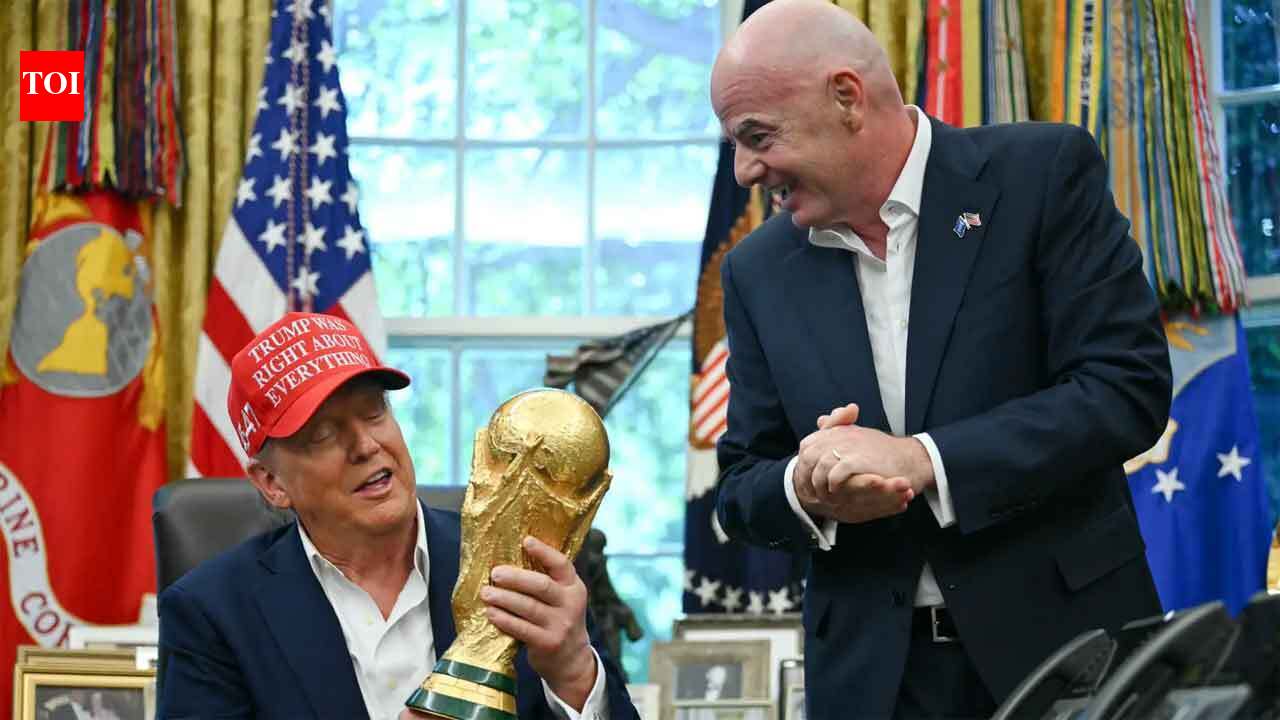
The news has emerged that President Donald Trump wants FIFA President Gianni Infantino to become the next secretary-general of the United Nations. This development has sparked interest and debate, given the unconventional nature of the suggestion. Trump’s reasoning behind this pick is not entirely clear, but it is reported that he believes Infantino has the necessary skills and global profile to unite countries, following their close relationship during the preparations for the 2026 World Cup.
Infantino, who has been at the helm of FIFA since 2016, has a reputation for being a skilled diplomat and leader in the world of international football. His experience in building alliances and resolving conflicts could potentially serve him well in a role like the UN secretary-general. However, it is crucial to note that for Infantino to take on this position, he would need to secure the backing of the 15-member UN Security Council before being confirmed by the General Assembly, replacing the current secretary-general, António Guterres. As of now, there has been no indication that Infantino is interested in the position.
The reaction to this news has been mixed, with some praising Trump’s outside-the-box thinking and others expressing concern about Infantino’s lack of experience in traditional diplomacy. Trump’s faith in Infantino stems from his belief that the FIFA president is “respected by everyone around the world” and has a “special ability to bring people together,” as observed during the 2026 World Cup. The situation is still developing, and it remains to be seen how this will unfold, especially considering the requirements for becoming the UN secretary-general and the current diplomatic landscape.
As the story continues to unfold, it is essential to consider the implications of such a nomination, both for the UN and for FIFA. The relationship between sports and international diplomacy is complex, and the potential for a FIFA president to lead the UN raises interesting questions about the role of sports in global politics. For now, the world waits to see how this situation develops, and whether Infantino will be considered seriously for the position of UN secretary-general. The coming weeks and months will likely be filled with discussions and debates about the suitability of Infantino for this role and the potential impact on global diplomacy.
The nomination, if it were to proceed, would mark a significant departure from traditional choices for the role of UN secretary-general, highlighting Trump’s willingness to think outside the box in his nominations and appointments. The UN secretary-general position is crucial for international diplomacy, and the choice of who fills this role can have far-reaching implications for global peace, security, and development. As such, any nomination for this position is subject to intense scrutiny and must navigate the complex landscape of international relations.
In conclusion, while the idea of Gianni Infantino as the next UN secretary-general may seem unconventional, it reflects the unpredictable nature of international politics and diplomacy in recent years. The actual outcome of this situation will depend on various factors, including Infantino’s interest in the position, the support he can garner from the international community, and the formal processes of the UN for selecting its secretary-general. As the situation develops, it will be important to follow the reactions of the international community, the diplomatic corps, and the sports world, to understand the full implications of this potential nomination.