

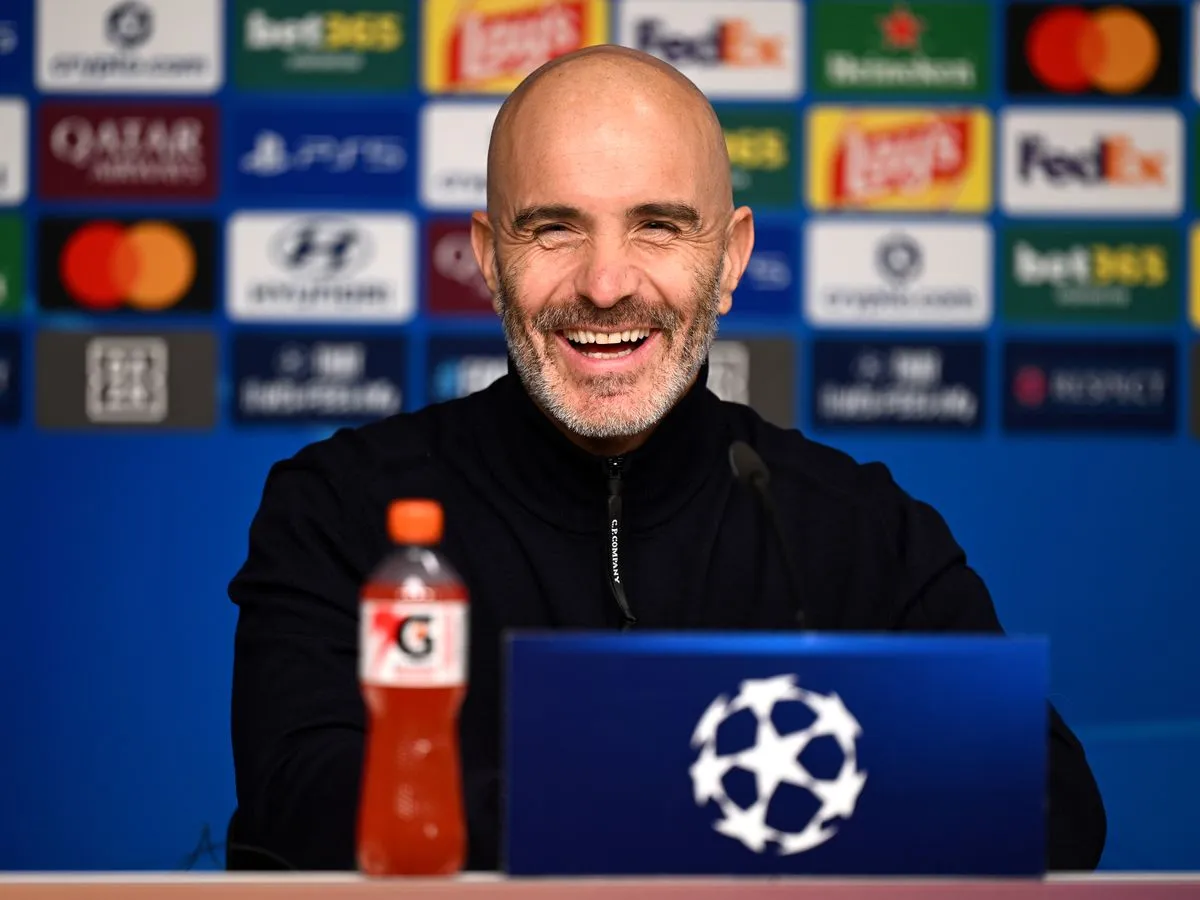
Manchester City’s 3-2 Champions League victory over RB Leipzig was a necessary result, but the manner of the win laid bare the tactical and mental challenges Enzo Maresca must confront in his first full campaign as manager. The win secured the Blues a place in the top eight of Group B at the halfway stage, yet the game was defined by avoidable errors—two goals conceded from mistakes that, if corrected, could have turned a hard-fought win into a dominant performance. Haaland, the team’s primary creative and finishing threat, acknowledged as much after the final whistle, framing the victory not as a triumph but as a reminder of what remains unfinished.
Haaland’s post-match assessment was blunt: ‘Not sure how many touches I had today, not the most but what is the most important is that I managed to help the team to win.’ His words carried weight beyond the obvious—he wasn’t just deflecting from his own impact (a single decisive goal) but signaling a collective failure. The Norwegian’s frustration mirrored Maresca’s own diagnosis: ‘Both goals are quite silly goals we can avoid.’ The manager’s emphasis on ‘working more’ and ‘understanding and analysing’ wasn’t empty rhetoric. It was a direct challenge to a squad that, despite Haaland’s brilliance, has repeatedly struggled to convert dominance into results. The 3-2 win over Leipzig was a microcosm of this: City created chances in abundance, but the execution—particularly in defense and midfield—was inconsistent. Donnarumma’s three errors, including the one that led to Leipzig’s second goal, were the most visible symptom of a deeper issue: a lack of cohesion in high-pressure moments.
The performance also exposed the precariousness of Manchester City’s reliance on Haaland. While the striker’s goal was the difference-maker, his teammates—Foden, Rodri, and Ndiaye—were far from decisive. Foden, who had scored a hat-trick in his last Champions League game for City, was less effective this time, with a single effort going wide and his involvement in Fernandez’s goal overshadowed by missed opportunities. Ndiaye and Cherki, both rated at 6/7 in their post-match assessments, drifted in and out of the game, unable to consistently dictate play in the final third. Their struggles underscored a broader truth: Maresca’s summer reinforcements, while promising, have yet to integrate seamlessly into the team’s rhythm. The manager’s four changes from the Premier League defeat to Brighton suggested an attempt to address specific weaknesses, but the results on the pitch were mixed. The victory was hard-won, and the margin of error in the next round—against Nottingham Forest—will be razor-thin.
Haaland’s ambition to secure a place in the England squad added another layer of urgency to City’s project. The 26-year-old’s form under Maresca has been a bright spot, but his teammates’ inconsistency threatens to overshadow his individual brilliance. Foden, who has shown flashes of his old self since returning from suspension, remains a wildcard. His ability to step up when it matters will be crucial, not just for City’s Champions League campaign but for his own national team ambitions. Maresca’s approach—prioritizing collective improvement over individual heroics—is the right one, but the window to implement it is narrowing. The next two weeks will test whether the manager’s vision can translate into sustained dominance, or if City will continue to be defined by moments of brilliance followed by costly mistakes.
The Champions League win was a step forward, but the path ahead is clear: Manchester City must stop treating every game as a battle for survival. The ‘silly goals’ Haaland and Maresca referenced aren’t just defensive lapses—they’re a symptom of a team that hasn’t yet found its rhythm under the new manager. The summer window was meant to provide answers, but the answers require more than just new faces. They demand trust, tactical precision, and the willingness to embrace discomfort. For now, the Blues have secured their place in the knockout stages, but the real work begins now.



