

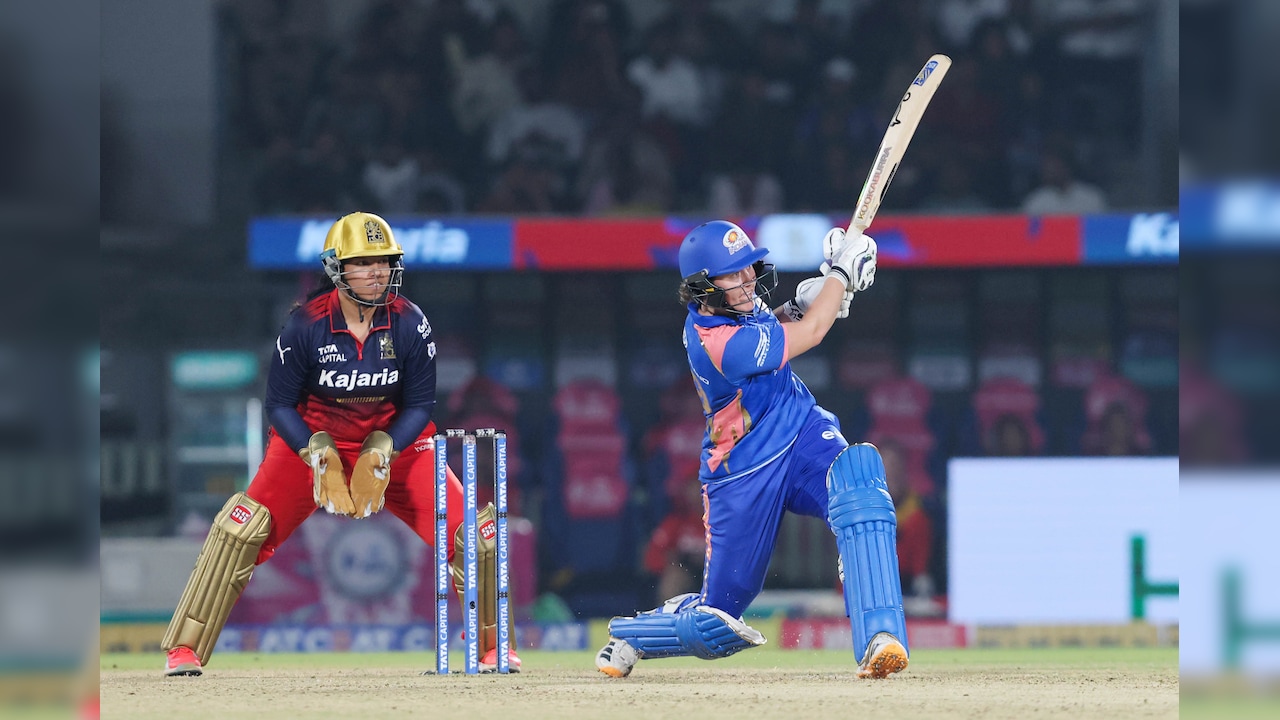
The women’s cricket world is on the brink of a logistical crisis that could reshape England’s preparations for the 2027 Women’s T20 Champions Trophy. Nat Sciver-Brunt, the captain of England’s women’s team, and several of her teammates—including Lauren Bell, Sophie Ecclestone, and Sophia Dunkley—now find themselves in an impossible position. Their franchises’ advancement to the knockout stage of the Women’s Premier League (WPL) 2027, scheduled from January 14 to February 7 next year, could force them to abandon the three-match T20I series against Sri Lanka, which takes place in Pallekele on February 1, 3, and 5.
The implications are staggering. The T20I series against Sri Lanka serves as a critical warm-up for the Champions Trophy, where England will look to defend their title. Skipping the series would not only disrupt their rhythm but also raise questions about their commitment to the tournament. Sciver-Brunt, who plays for Mumbai Indians, is among those directly affected, as her franchise’s progress could dictate her availability. Similarly, Bell (Royal Challengers Bengaluru) and Ecclestone (UP Warriorz) are also retained for WPL 2027, meaning their participation in the knockouts would take precedence over international duty. Meanwhile, Dunkley and Kira Chathli remain the only England players registered for the upcoming WPL mini auction, further highlighting the depth of the dilemma.
The scheduling conflict underscores the growing tension between domestic leagues and international commitments in women’s cricket. While the WPL has become a cornerstone of the women’s game, its timing—particularly during peak international windows—continues to create challenges. For England, this is not an isolated issue. The team’s preparation for the Champions Trophy must balance domestic obligations with the need to maintain fitness and mental focus. The Sri Lanka series, though not a high-stakes fixture, remains a vital opportunity to assess form, refine strategies, and build momentum ahead of the tournament.
The broader context cannot be ignored. The Women’s T20 Champions Trophy is one of the most prestigious events in the women’s calendar, and England’s dominance in recent years has set the bar exceptionally high. Yet, the logistical hurdles—from franchise commitments to scheduling conflicts—demonstrate the evolving complexities of the modern women’s game. Whether England can navigate this challenge without compromising their title defense remains the defining question. One thing is certain: the decisions made in the coming weeks will not only shape their immediate preparations but also set a precedent for how domestic and international cricket coexist in an era of expanding opportunities for women’s players.



