

Barcelona has escalated its condemnation of Paris Saint-Germain’s fan behavior by filing a formal complaint with UEFA over a tifo displayed before their 4-2 Champions League defeat at the Parc des Princes. The display—a massive banner inspired by *The Texas Chainsaw Massacre*—featured a masked figure, Leatherface, butchering the Barcelona crest with a chainsaw, dripping with blood. The Catalan club’s management has described the imagery as violent and offensive, a direct affront to the club’s identity and supporters.
The incident underscores a growing tension between fan culture and the professional standards expected in UEFA competitions. While PSG’s supporters have long been known for their flair, the graphic nature of this tifo—deployed even before the match began—crossed a line for Barcelona’s leadership. The club’s decision to report the matter to UEFA signals a deliberate effort to hold the French side accountable, though the outcome of such complaints remains unpredictable. UEFA’s disciplinary process for fan misconduct is notoriously slow, often leaving clubs and supporters frustrated by the lack of immediate consequences.
The timing of the complaint also comes against a backdrop of France’s wider social unrest, which has strained security resources ahead of the match. Despite violent protests and looting across the country over the weekend, French authorities confirmed that Tuesday’s Champions League fixture would proceed as scheduled. The Interior Minister explicitly stated that the match would not be canceled, though the heightened security deployment reflected the broader instability. This contrast—between the spectacle of European football and the chaos unfolding in the streets—has drawn international attention, raising questions about the priorities of governing bodies in prioritizing matches over public safety.
Barcelona’s response is not isolated. The club’s management has consistently condemned fan violence, whether directed at players, officials, or rival supporters. The tifo’s deliberate targeting of Barcelona’s crest—symbolizing the club’s heritage and global identity—elevates this incident beyond mere fan antics. It reflects a deeper issue: the erosion of respect in football’s highest stages, where supporters’ expressions can sometimes veer into hostility. Whether UEFA’s intervention will deter such behavior remains to be seen, but the complaint itself sends a clear message that Barcelona will not tolerate disrespect under its colors.
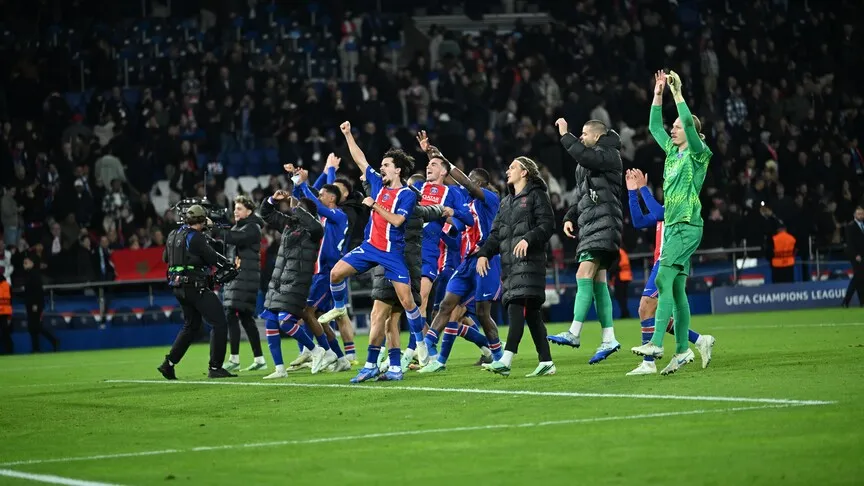
For now, the focus shifts to the aftermath. PSG’s victory in Paris was hard-fought, but the club’s fan section will face scrutiny over the tifo’s content. Barcelona’s complaint could set a precedent, influencing how UEFA handles fan conduct in future matches. One thing is certain: the incident will be remembered as a defining moment in the ongoing debate over fan culture in European football—a debate that has only intensified in recent years.



