

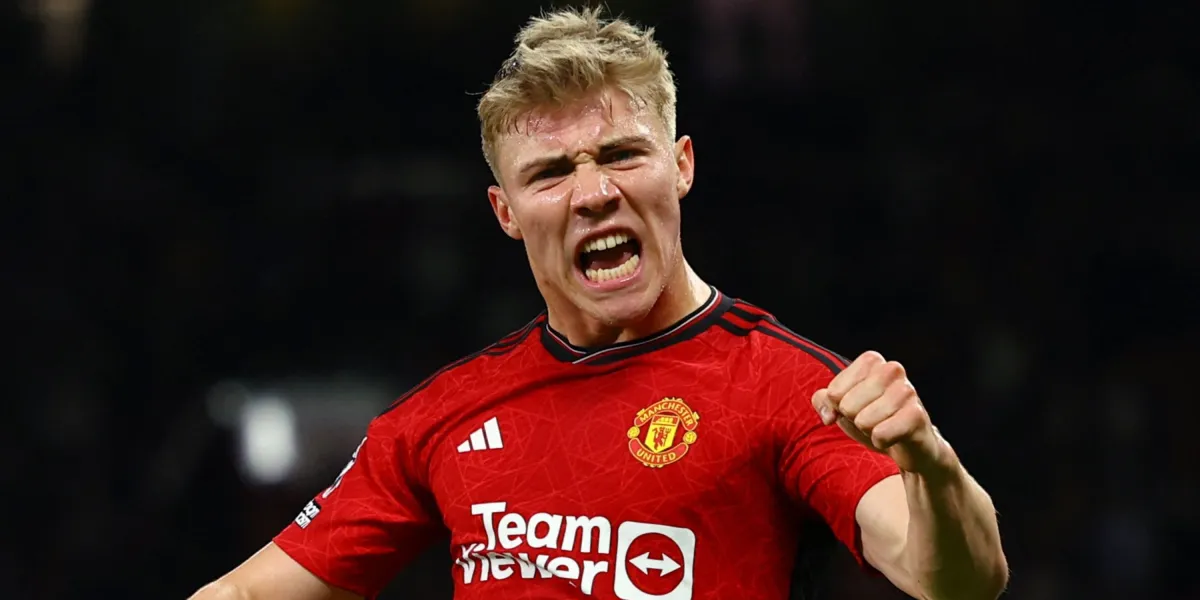
Manchester United’s summer of 2023 was defined by a striker hunt that ultimately led to Christian Hojlund’s arrival, but the road to that decision was far more complex than the final signing suggests. According to former Red Devils assistant coach Benni McCarthy, the club’s scouting and recruitment team had their eyes on three world-class forwards—each of whom carried the potential to redefine United’s attack—before settling on the Danish winger’s hybrid role.
The priority was clear: Erik ten Hag’s first major transfer project demanded a striker of the highest caliber. McCarthy confirmed that Harry Kane was the club’s top target, a name that carried weight given his Ballon d’Or pedigree and the Premier League’s need for a goal-scoring powerhouse. Kane’s availability, however, was never guaranteed, and United’s pursuit would have required a blockbuster move—one that might have stretched their financial resources beyond what was immediately feasible. The club’s desire for a proven goal threat was undeniable, but the reality of the transfer market dictated that alternatives had to be explored.
Two other names emerged as serious contenders: Randal Kolo Muani, whose explosive pace and clinical finishing had made him a standout in Ligue 1, and Victor Osimhen, whose Champions League pedigree and physical dominance at Napoli positioned him as a top-tier option. Both players were considered for their ability to operate in a front three, a system ten Hag had hinted at embracing to maximize United’s attacking versatility. The decision to prioritize Hojlund—despite his lack of traditional striker experience—suggests a tactical shift in focus, one that favored youth, adaptability, and the potential to evolve into a more dynamic forward role rather than a conventional number nine.
The rejection of these three strikers wasn’t merely about preference; it was a reflection of the club’s evolving priorities. Ten Hag’s project had always been about building from the ground up, and while Kane, Kolo Muani, and Osimhen would have provided immediate impact, Hojlund’s arrival signaled a different approach—one that balanced ambition with pragmatism. The Danish player’s versatility, his ability to operate as a winger or a false nine, and his youthful energy aligned with ten Hag’s long-term vision for a fluid, possession-based attack. That vision, however, required United to accept a compromise: a striker who would need time to develop rather than one who could deliver results from day one.
For fans and pundits alike, the question remains whether this tactical gamble will pay off. The 2023 summer window was a missed opportunity in terms of securing a proven striker, but it also marked the beginning of a new phase for United’s attack. Whether Hojlund can grow into the role intended for him—or whether the club will revisit the striker market in the future—will define the next chapter of Manchester United’s pursuit of Premier League dominance.



