

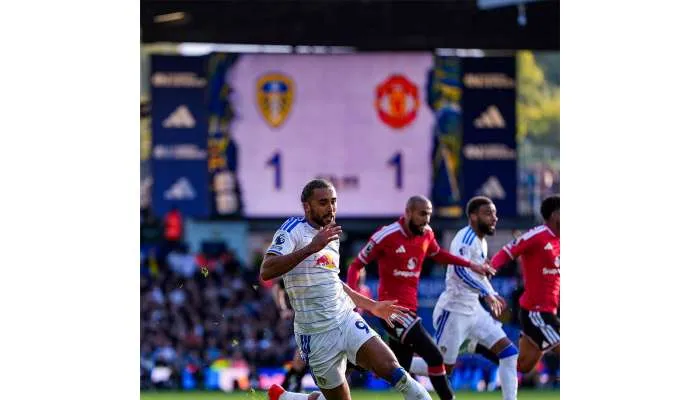
Leeds United’s 1-1 draw with Manchester United at Elland Road was never a foregone conclusion, but it was the result that mattered most. The hosts, who had not beaten their northern rivals in 24 years, turned a late defensive error into a point that will haunt Carrick’s side for weeks. Bryan Mbeumo’s early goal—converted from a low cross by Youri Tielemans—seemed to seal United’s advantage, but Dominic Calvert-Lewin’s equaliser in the 51st minute exposed the visitors’ vulnerability in transition. The draw, while unremarkable on paper, was a tactical masterclass in resilience, with Leeds’ midfield dictating tempo and United’s backline struggling to close down effectively.
The match was a microcosm of the Premier League’s current power dynamics: Leeds’ tactical discipline versus United’s tactical indecision. Michael Carrick’s side entered the game with a winless run stretching across all competitions, and the pressure was palpable. Yet, despite the intensity of the contest, neither team displayed the clinical finishing or positional sharpness that defines elite football. Leeds’ defensive shape under pressure was their greatest asset, while United’s midfield rotations—particularly the late substitution of Lisandro Martínez for Noussair Mazraoui—highlighted Carrick’s struggle to adapt to the game’s demands. Martínez, who had apologised for his earlier comments, was replaced after 45 minutes, a decision that left questions about United’s bench strength and tactical flexibility.
The second half revealed United’s defensive weaknesses in stark terms. Leeds’ counterattacks, led by the pace of Leny Yoro and the composure of Calvert-Lewin, exposed gaps in United’s defensive organization. The hosts’ ability to recycle possession and exploit space behind the ball was a stark contrast to United’s rigid structure. Carrick’s decision not to introduce Marcus Rashford or Alejandro Garnacho—both of whom could have provided an extra dimension—was scrutinized, with pundits questioning whether the manager’s squad selection reflected the team’s current form or a lack of confidence in certain players.
For Leeds, the draw was a statement of intent. Their ability to fight back from a goal down in a high-stakes derby underscores their growing confidence in the Premier League. The result also serves as a warning to United, whose defensive frailties have been a recurring theme this season. The Red Devils’ winless streak now extends to six games, a trend that will only intensify scrutiny over Carrick’s future at Old Trafford. The manager’s tactical decisions, particularly in midfield and defensive transitions, will be under the microscope as they look to break their current slump.
This draw was never about the points on the table—it was about pride, pressure, and the unspoken rivalry between two clubs with rich histories. Leeds’ performance proved they are no longer the underdogs they once were, while United’s struggles reinforce the reality that their title ambitions remain fragile. The next chapter in this saga will be written in the coming weeks, but for now, the message from Elland Road is clear: resilience wins games, and Leeds are learning how to win them the hard way.



