

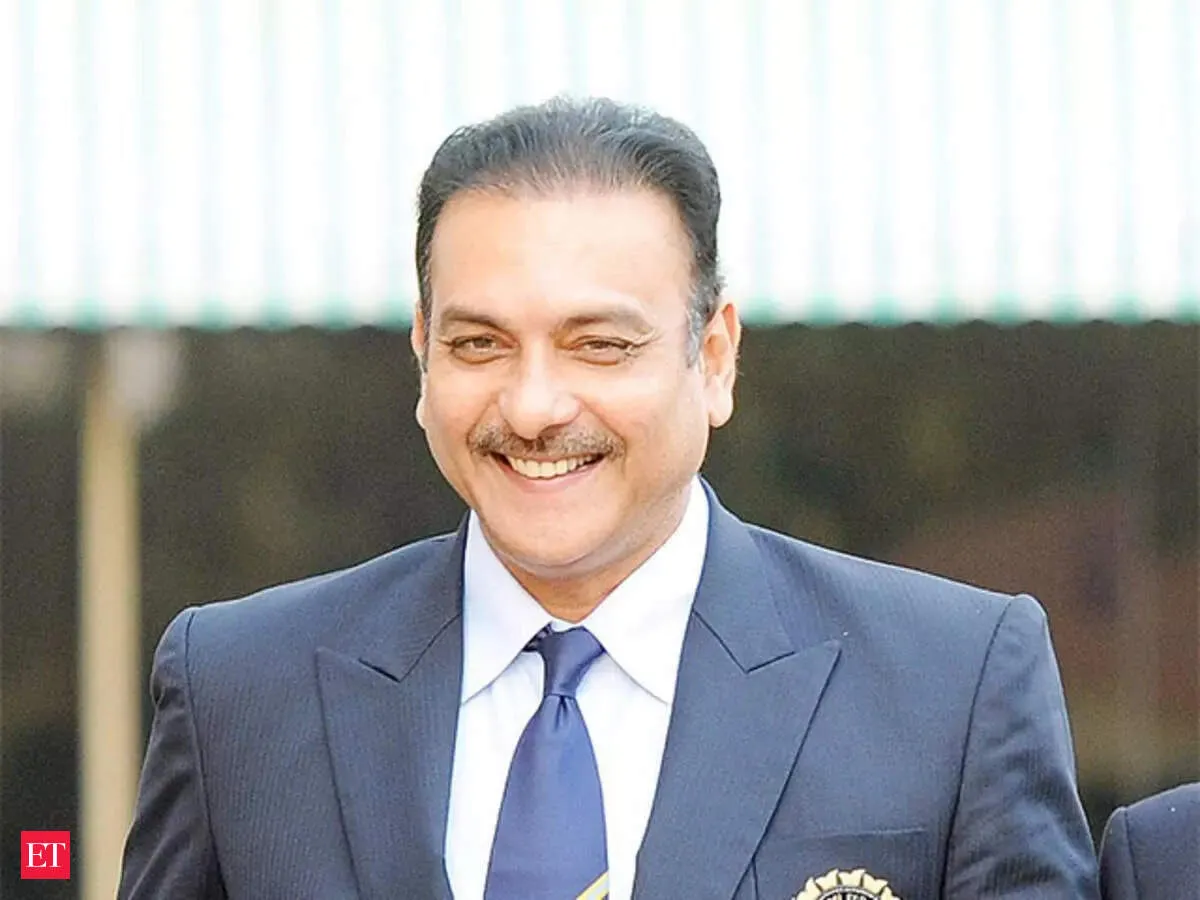
Ravi Shastri’s voice carries the weight of a man who has spent years dissecting India’s cricketing DNA. In a candid assessment ahead of the 2027 World Cup, the former head coach has delivered a dual mandate: **Rishabh Pant must retain his fearless attacking style**, but the team’s fielding standards—once a source of pride—now demand an immediate overhaul. His comments, delivered with the authority of someone who has navigated India’s highs and lows, underscore a reality that cannot be ignored: the gap between potential and execution is widening, and the World Cup will test whether the team can close it.
Pant’s role is central to this narrative. Shastri’s insistence on preserving the wicketkeeper-batsman’s aggressive approach is a direct rebuttal to the whispers of caution that often creep into India’s dressing room. ‘Retain his attacking style’ is not just tactical advice; it’s a declaration that Pant’s ability to dictate games with the bat remains irreplaceable. Yet, the qualifier—‘while adapting to match situations’—hints at a deeper challenge: India’s batting, led by Pant, must evolve beyond raw power into a more calculated threat. The World Cup will demand precision in scoring, not just explosive bursts. For a team that has relied on Pant’s fearlessness to carry matches, this shift could be the difference between another semi-final exit and a podium finish.
But Pant’s bat is only half the equation. Shastri’s most urgent warning is about fielding—a once-strength now described as ‘declining’. The numbers tell a damning story: India’s fielding metrics have slipped in recent years, with errors and misfields becoming more frequent in high-pressure moments. A World Cup is won and lost in those margins, and Shastri’s bluntness reflects the frustration of a coach who has seen firsthand how fielding lapses can unravel momentum. The call to raise standards is not just about fitness drills or coaching adjustments; it’s a cultural reset. In a team where individual brilliance has often overshadowed collective discipline, the fielding crisis is a symptom of a deeper issue: the inability to sustain excellence under pressure.
Shastri’s endorsement of Bhuvneshwar Kumar’s return to the T20I setup further reveals the tactical thinking behind India’s rebuild. The left-arm seamer’s IPL form and experience are not mere footnotes; they are assets in a bowling attack that has struggled with consistency in limited-overs cricket. His inclusion signals a return to the ‘big-ball’ approach that defined India’s dominance in the 2010s, but with a critical caveat: adaptability. Kumar’s value lies in his ability to switch between aggressive pace and subtle variations, a skill that will be tested against the World Cup’s most formidable batting lineups. For a team that has often relied on youthful exuberance, Shastri’s emphasis on experience is a reminder that World Cup cricket is not won by raw talent alone—it’s won by those who can outthink their opponents.
The subtext of Shastri’s comments is clear: India’s World Cup campaign will hinge on two battlegrounds. The first is the pitch—where Pant’s bat and Kumar’s bowling must dominate. The second is the dressing room, where the team’s ability to execute under pressure will be put to the ultimate test. The fielding crisis is not just a logistical concern; it’s a reflection of a team’s mindset. In a sport where margins are measured in runs and wickets, every misfield, every dropped catch, becomes a story. Shastri’s blueprint is not just about fixing errors; it’s about instilling a culture where excellence is non-negotiable. For a nation that has grown accustomed to cricketing triumphs, the World Cup will demand more than just talent—it will demand a team that can deliver when it matters most.



