

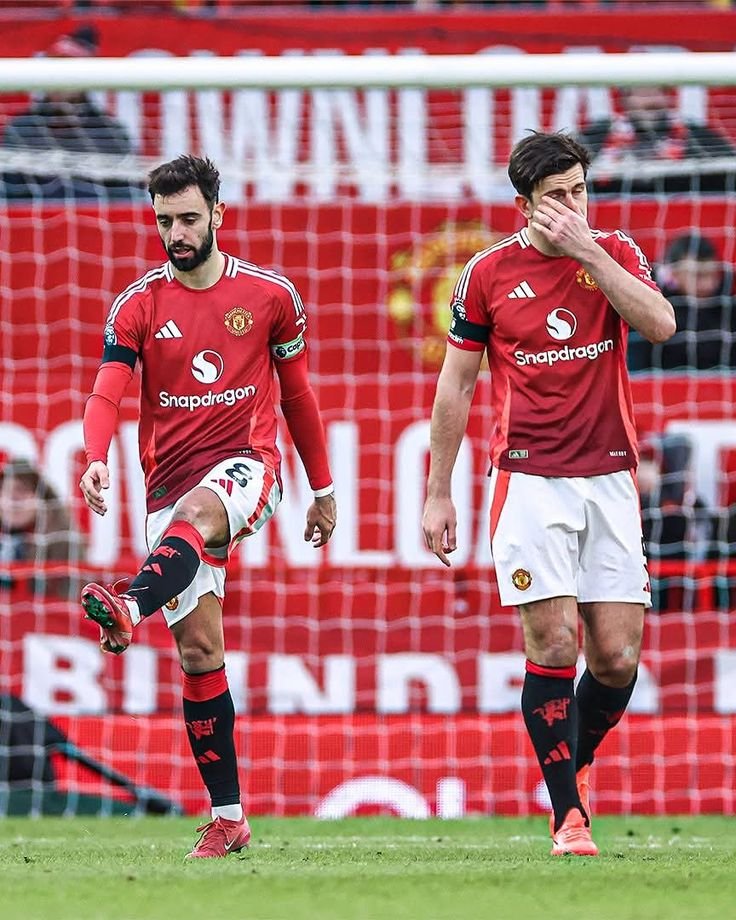
Manchester United’s Premier League campaign has taken another step into uncharted territory. A 1-1 draw at Leeds United on Sunday has extended their winless streak to six games in the league, the longest such drought since the disastrous 1986/87 season under Ron Atkinson. The result was not just a missed opportunity but a stark reminder of the challenges facing a side that has struggled to translate possession into results, even when playing with character. Leeds’ defensive organization, combined with a late equalizer from Matheus Cunha, ensured the draw, but the underlying issues for United remain glaring: a lack of clinical finishing, defensive vulnerabilities, and a failure to capitalize on transitional moments.
The match at Elland Road was a microcosm of United’s season. Leeds, managed by Daniel Farke, have been the Premier League’s most consistent side since the summer transfer window, boasting an unbeaten run of seven games—a streak that includes five draws and two wins. Their defensive shape, particularly in the second half, was a masterclass in structure, with Lucas Perri making crucial saves and the backline maintaining composure despite United’s pressing. Brenden Aaronson’s opener, a low drive past Senne Lammens after outpacing Ayden Heaven, was the only goal of the game, but it was Leeds’ ability to absorb pressure and weather United’s late flurries that ultimately decided the outcome. Noah Okafor and Joel Piroe created multiple chances in the final 10 minutes, yet United’s front line—despite Mbeumo’s goal—failed to find the net with the same frequency.
For Manchester United, the draw is a symptom of a deeper malaise. The team’s attacking options remain inconsistent, with key players like Bruno Fernandes and Lisandro Martínez failing to deliver at crucial moments. Fernandes, once the Premier League’s most prolific playmaker, has been a shadow of his former self, while Martínez’s explosive interview earlier in the week hinted at frustration with his role. Bryan Mbeumo, however, has emerged as a rare bright spot, scoring again at Elland Road. His goal was a reminder of the talent still present in United’s squad, but it was not enough to overcome the defensive and tactical shortcomings that have plagued the side. The fact that United have lost just two of their last 14 league games—six of which were draws—highlights the precarious nature of their campaign. They are not losing, but they are not winning either, and that is the most dangerous position of all.
The tactical adjustments made by Ruben Amorim in this match were notable. United played with a back three at times, a formation that has been used sporadically this season, but it did little to disrupt Leeds’ defensive rhythm. The lack of a clear counterattacking threat means that even when United gain possession, they struggle to exploit space. Cunha’s late equalizer, a sliding shot from the edge of the box, was a testament to the Brazilian’s creativity, but it also underscored the team’s inability to finish chances with regularity. Leeds, meanwhile, have shown resilience in their own right, converting their defensive solidity into points through draws rather than wins. Their seven-game unbeaten run is their longest in the Premier League since the 2001/02 season, a testament to Farke’s ability to extract maximum points from a mid-table side.
As the Premier League enters its winter break, Manchester United’s situation is increasingly dire. The winless streak is a red flag, but the real concern is the team’s inability to break free from a cycle of mediocrity. The draw at Leeds was not just a missed opportunity—it was a missed chance to assert dominance in a game where United had the better of the action at times. The path forward is unclear, but one thing is certain: if United do not find a way to win games consistently, the pressure on Amorim and the squad will only intensify. The next few weeks will be critical, as the team must address its defensive frailties, attacking inefficiency, and mental resilience if they are to avoid a season defined by disappointment rather than redemption.



