

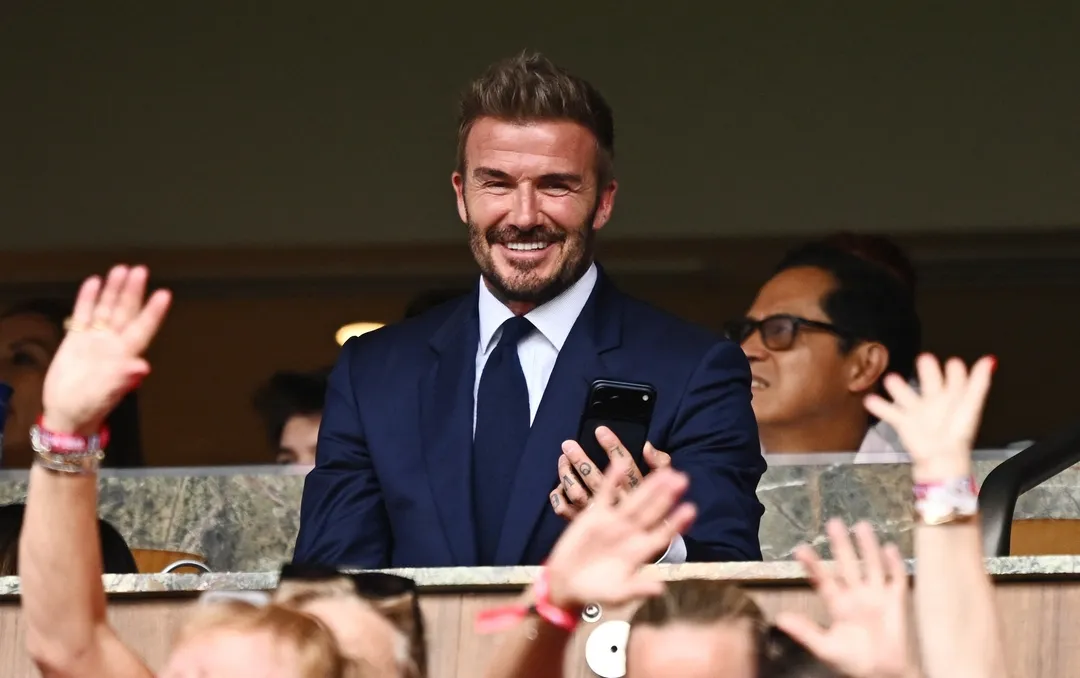
The question of who will succeed Gianni Infantino as FIFA president in 2027 has taken on new urgency, and the name of David Beckham is now being discussed in European football circles as a potential consensus candidate. UEFA’s search for a figure capable of uniting fractured support against Infantino’s third term has led to internal deliberations over Beckham’s international profile, his ability to bridge divides, and his unmatched global recognition—a profile forged through decades at Manchester United, Real Madrid, and now Inter Miami.
Beckham’s career trajectory offers a compelling case for why he might appeal to a broad coalition. His status as a global icon, shaped by his time in the Premier League and La Liga, alongside his current role in MLS, provides a platform that transcends traditional football politics. Yet the road to the FIFA presidency is not one he has signaled he intends to pursue. His continued engagement with Infantino—including participation in FIFA events and campaigns—suggests a reluctance to enter the fray, at least for now. The lack of a confirmed candidacy underscores the speculative nature of these discussions, which remain confined to private UEFA corridors.
The political landscape complicates any potential challenge. Infantino’s third term, if secured, would extend his reign beyond a decade in office, a duration that has already sparked criticism from European football’s governing bodies. UEFA’s push for an alternative candidate reflects growing frustration with the current leadership, but the search for a unifying figure is fraught with challenges. Beckham’s neutrality and diplomatic skills could theoretically make him a compromise candidate, but his lack of direct ties to European football institutions—unlike figures from UEFA’s own ranks—raises questions about his ability to navigate the continent’s political sensitivities.
For now, Beckham’s name remains a topic of internal debate rather than a declared ambition. His refusal to publicly endorse or dismiss the idea leaves the door open, but the practicalities of a campaign—funding, logistical support, and the sheer scale of FIFA’s bureaucracy—demand a candidate with deep institutional roots. Beckham’s profile, while undeniably powerful, may not be sufficient alone to overcome the entrenched interests and rivalries that define FIFA’s governance. The election looms in March 2027, and the contours of the contest are still taking shape—with Beckham’s potential role as a wildcard in an increasingly unpredictable narrative.



