

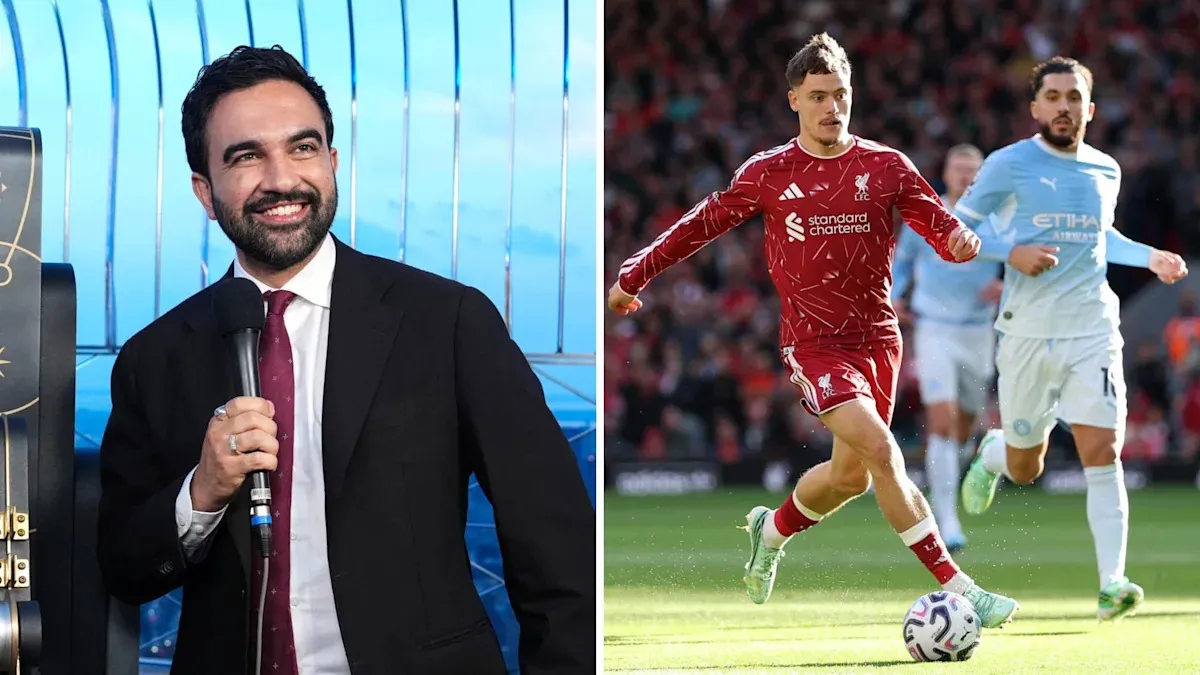
New York City Mayor Zohran Mamdani doesn’t just follow Arsenal—he lives for it. And when the Premier League’s most dominant clubs have been called out for financial irregularities, the mayor has no hesitation in voicing his disdain. In a recent public statement, Mamdani took aim at both Liverpool and Manchester City, framing their sustained success as an affront to the league’s balance. His words, delivered with the bluntness of a lifelong fan, have reignited conversations about power dynamics in English football.
The mayor’s critique arrives at a pivotal moment. Manchester City have been found guilty of 114 breaches of Premier League financial regulations, a penalty that underscores the growing unease around their financial model. Meanwhile, Liverpool, though still contenders, have faced scrutiny over their recent form and tactical consistency. Mamdani’s intervention isn’t just about individual clubs—it’s a broader indictment of a league where two franchises have, for years, dictated the pace of competition. His phrasing, ‘shouldn’t be in the league,’ carries weight because it’s not just frustration; it’s a challenge to the very foundations of how football’s elite is structured.
The financial fallout for City is undeniable, but Mamdani’s remarks extend beyond penalties and fines. They reflect a wider frustration among fans who feel the Premier League has become a two-team spectacle, where the rules seem to bend for those with the deepest pockets. Liverpool, too, has been a beneficiary of this era, yet their recent struggles have made them a symbol of the precariousness of even the most storied clubs. Mamdani’s perspective isn’t isolated—it mirrors the sentiment of many who argue that football’s future depends on breaking the cycle of dominance that stifles competition.
For Arsenal, Mamdani’s advocacy is a reminder of the club’s enduring appeal. While City and Liverpool command headlines, Arsenal’s grassroots support remains unshaken, and figures like Mamdani ensure the club’s voice is heard in the most unexpected places. His critique isn’t just about the present; it’s a call for a league that rewards merit, not just financial might. Whether his words will spark real change remains to be seen, but they’ve already done what great football criticism should: made us question what we take for granted.



