

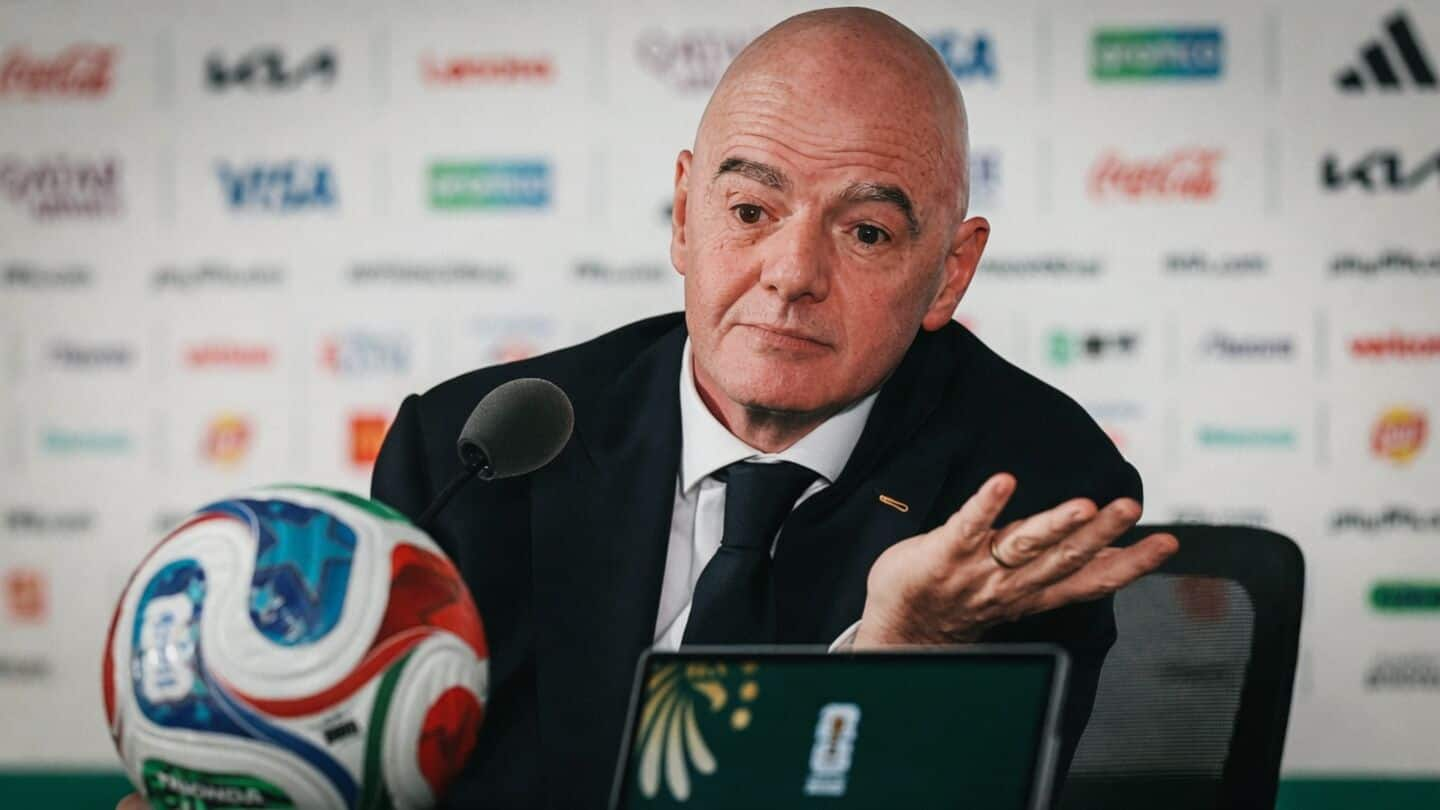
Gianni Infantino’s carefully crafted apology to the FIFA Council in Zurich on Thursday was met with skepticism, not relief. The Swiss president’s three-hour address—centered on his ‘mistakes’ in communication regarding the abandoned FIFA Forward Enterprise (FFE) plan—did little to assuage the fury of European football’s leadership. The scheme, which sought to sell a stake in future World Cup profits to private equity investors, was scrapped in July after a storm of criticism, yet its shadow now looms over Infantino’s presidency. European delegates, including FA chair Debbie Hewitt and UEFA’s Bernd Neuendorf, have made it clear: an apology is not enough. They want answers—and the resignation of a man whose leadership has left FIFA’s reputation in tatters.
The FFE proposal, valued at $4.2 billion, was the most explosive of Infantino’s recent controversies. Announced just weeks after the World Cup final, the plan aimed to merge FIFA’s commercial rights—broadcasting, sponsorships, ticketing, and licensing—with the operational delivery of its tournaments. The idea was to inject private capital into the world’s most prestigious competition, but the backlash was immediate. Football’s governing bodies, already wary of FIFA’s financial transparency, saw the scheme as a dangerous precedent: a sell-off of the sport’s soul for profit. Infantino’s insistence that FFE was ‘only a proposal’ and ‘in no way a done deal’ rings hollow when contrasted with the urgency of his pitch to investors like Joshua Kushner. The lack of documentation at Thursday’s meeting only deepened the suspicion that FIFA’s leadership was operating in the dark—without full council oversight or member association consent.
European football’s patience has worn thin. Hewitt, a vocal critic, accused Infantino of ‘blindsiding’ the council and creating a ‘furor’ through his opaque decision-making. Neuendorf, speaking for UEFA’s eight delegates, was blunt: ‘We need a person of integrity, someone who can restore the reputation of the association, which has undoubtedly been lost.’ The demand for resignation is now explicit, not just implied. The FA’s stance reflects a broader unease across Europe, where trust in FIFA’s governance has been eroded by a string of scandals—from the Balogun red-card controversy to Trump’s alleged intervention in disciplinary cases. Infantino’s apology, while acknowledging ‘mistakes in communication,’ failed to address the core issue: why the council was kept in the dark until after the World Cup’s conclusion.
The meeting in Zurich was not just about FFE. It was a test of Infantino’s ability to navigate FIFA’s most critical crisis since his 2016 election. The absence of key documents—including those related to the Balogun case and the Kushner partnership—only underscored the perception of a leadership style defined by secrecy. UEFA’s call for transparency is a direct challenge to Infantino’s authority. Without it, the FFE plan and other controversies will continue to fester, threatening FIFA’s stability. The question now is whether Infantino can pivot from damage control to restoration—or if his presidency will be the final chapter in a decade of turmoil for world football.
One thing is clear: the FIFA Council will not back down. The European delegates have made their position unmistakable. An apology is not enough. What is needed now is accountability—and a president who can deliver it.



