

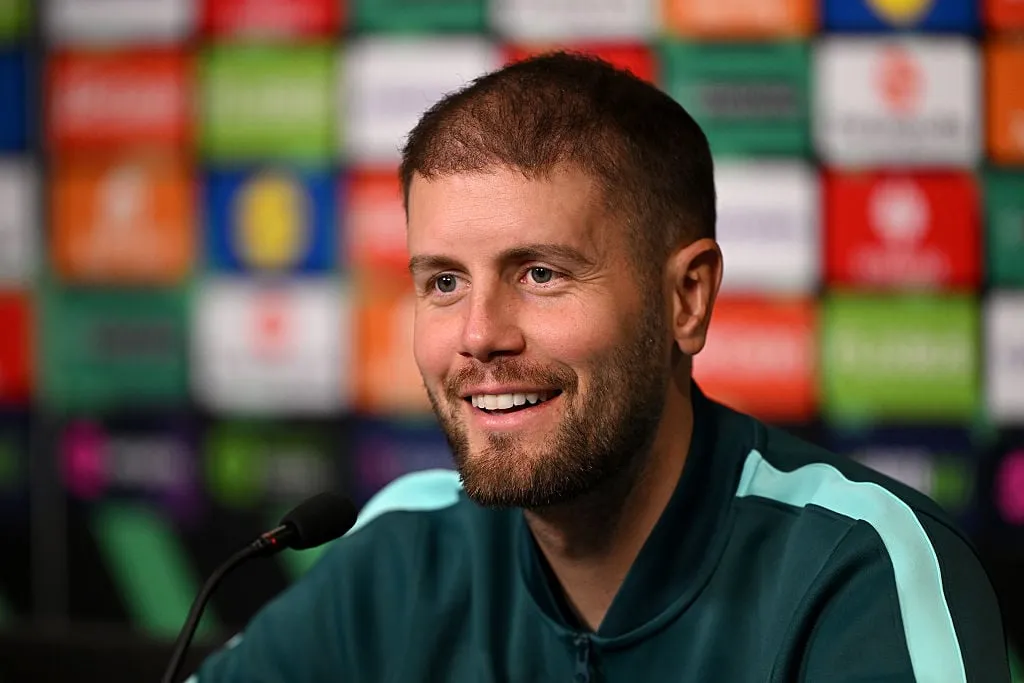
Manchester United’s managerial search has taken a sharp turn toward Brighton & Hove Albion, with Fabian Hurzeler now the most credible name in the frame. The 33-year-old’s ability to elevate a mid-table club into a genuine title contender—despite limited resources—has not gone unnoticed at Old Trafford, where the current regime’s struggles have reached a breaking point. Hurzeler’s team sits third in the Premier League, a full 12 points clear of Manchester United, and their 2-1 Carabao Cup victory over the Red Devils at Old Trafford last month was a tactical rebuke that has only intensified the pressure on Michael Carrick’s future.
The contrast between the two clubs could not be more stark. Brighton operates under Tony Bloom’s meticulously structured, data-driven philosophy, where Hurzeler’s vision aligns seamlessly with the club’s long-term vision. His contract extension in June—securing his position until 2029—was not just a personal commitment but a mutual affirmation of his fit within Bloom’s system. At United, however, the board faces a dilemma: Carrick remains in place despite four defeats from nine matches, yet the club’s boardroom is already positioning for a potential departure. The timing is precarious. With a demanding schedule ahead and no immediate signs of improvement, United’s hierarchy must decide whether to gamble on a short-term fix or pursue a long-term solution like Hurzeler, whose stability at Brighton suggests he is not the type to be swayed by fleeting results.
Hurzeler’s approach at Brighton is a masterclass in modern football management. His side thrives on high-intensity pressing, spatial discipline, and a squad that plays with uncharacteristic cohesion for a club of their standing. The 2-1 win over Arsenal in December was not just a result but a demonstration of how his system can dismantle even the best-prepared opponents. At United, where defensive frailties and midfield inconsistency have become defining traits, Hurzeler’s ability to instill tactical clarity could be the antidote. Yet the challenge lies in the financial and cultural hurdles. Brighton’s owner has made it clear that Hurzeler is not for sale, and any approach from United would require a significant investment—both in terms of salary and the infrastructure to replicate Brighton’s environment.
Tony Bloom’s unyielding confidence in Hurzeler is both a strength and a barrier. In a recent interview, Bloom dismissed speculation about his manager’s future, stating that Hurzeler is ‘very happy’ at the club and that he sleeps soundly regardless of short-term setbacks. This resilience is precisely what United’s board may seek, but it also underscores the difficulty of poaching a manager who has found such harmony within his current setup. The question now is whether United’s urgency will outweigh the practical obstacles. With Carrick’s tenure hanging by a thread and Hurzeler’s name already circulating as the most plausible successor, the clock is ticking. The next few weeks will determine whether Old Trafford can afford to wait—or if they must act now to secure a future that Brighton’s boss has already built.



