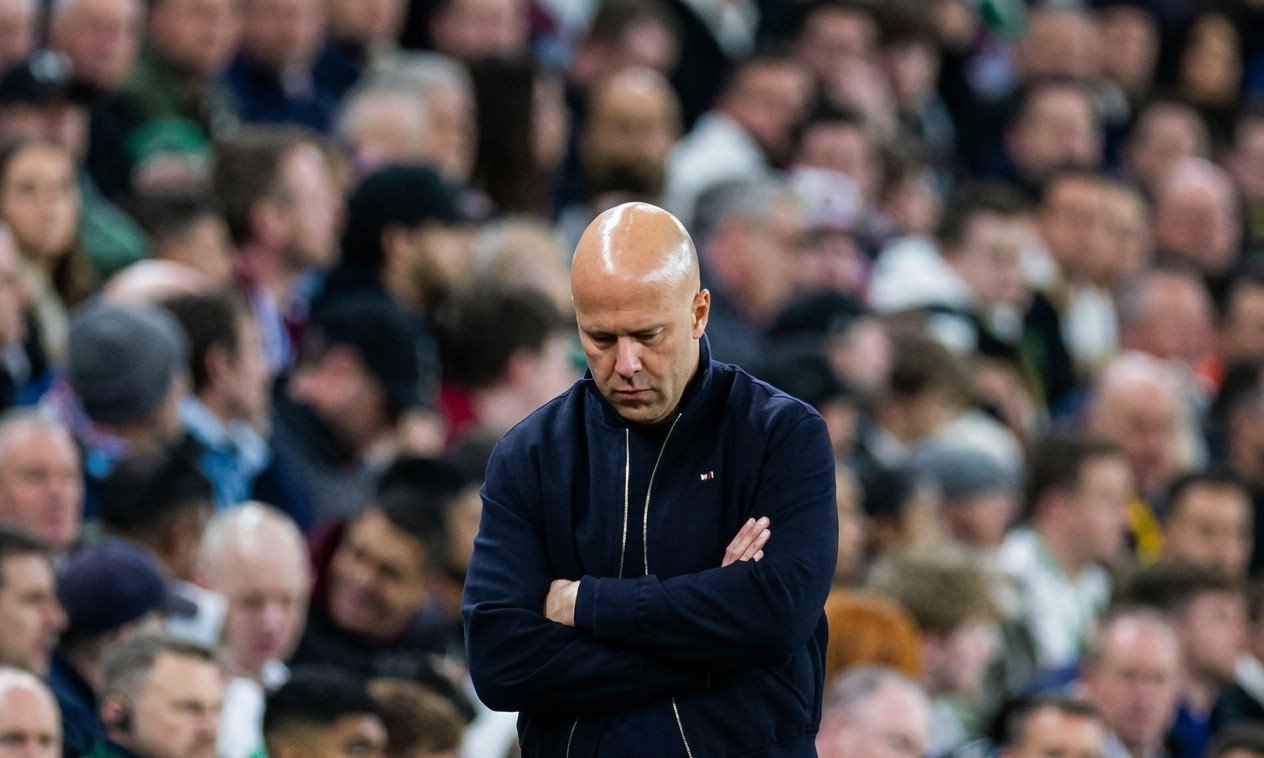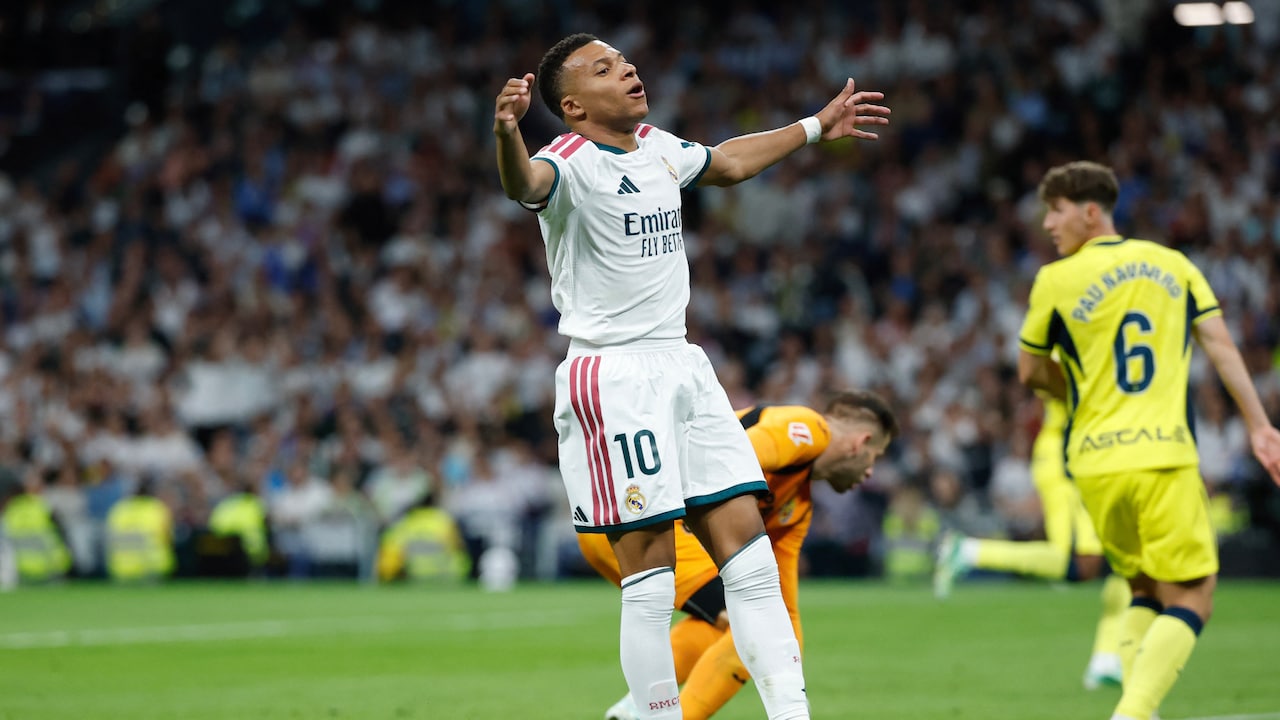
Kylian Mbappé’s relationship with sections of Real Madrid’s support has become strained, but describing him as the club’s “most divisive figure” goes beyond what the available reporting establishes. Criticism of his injury-related travel has resurfaced in October, following the boos, online petitions and reported training-ground tensions of last spring. Those episodes illustrate discontent, not a unanimous demand for his departure.
October’s controversy concerns an approved recovery programme
The latest dispute follows a left-knee injury sustained while playing for France on September 25. Madrid diagnosed a hyperextension of the knee’s posterior joint capsule and permitted Mbappé to spend part of his recovery outside Spain. Reporting on his absence from collective training explicitly states that the club authorised the arrangements and did not regard them as a disciplinary issue.
His subsequent travel to Paris also included a children’s charity event reportedly agreed with Madrid in advance. He rejoined team training under José Mourinho before the Villarreal fixture. These details matter: supporters can question the appearance or timing of a trip without an authorised absence becoming evidence that a player has abandoned his responsibilities.
Earlier disputes should not be presented as new developments
Several incidents in the supplied account belong to April and May, rather than the current October episode. In May, Mbappé attracted criticism after travelling to Sardinia while recovering from a hamstring injury. The trip had club approval, but photographs from his holiday appeared while Madrid were playing Espanyol, intensifying frustration among supporters. His representatives subsequently said the criticism did not reflect his commitment or daily work for the team.
An online petition calling for his departure spread rapidly at that time. Reported signature totals were enormous, but Sky Sports explicitly questioned whether they represented genuine individual participants. Such a petition demonstrates online mobilisation; it cannot reliably measure the views of Madrid’s entire fanbase.
The reported confrontation with a coaching-staff member also dates to the spring. Sky Sports described a flare-up during a training exercise before the April trip to Real Betis, after an assistant called Mbappé offside. The report said there was no suggestion of internal punishment and placed the incident within a wider atmosphere of tension involving other senior players.
The “fourth forward” claim needs correction and context
In a separate dispute involving then-coach Álvaro Arbeloa, Mbappé said he had been told he ranked behind Franco Mastantuono, Vinícius Júnior and Gonzalo García—not Mauro Icardi. Arbeloa denied telling him that he had fallen down the pecking order. The exchange therefore represents conflicting accounts, not an established permanent demotion or proof of his current standing under Mourinho.
Other assertions in the draft also require stronger evidence. The claim that Mbappé has outscored all Madrid’s other outfield players combined needs a specified season, competition scope and statistical source. Assertions that teammates regard him as a distraction, or that his public response demonstrates arrogance, should not be presented as facts without attributable reporting.
The central issue is trust: how an elite player’s conduct is interpreted when expectations and results do not align. Mbappé has faced genuine criticism, but he has not been its sole target—Vinícius, Jude Bellingham and president Florentino Pérez have also faced whistles from supporters. The more defensible account is of renewed scrutiny within a broader debate over Madrid’s direction, rather than a proven, irreversible rupture between Mbappé and the club.