

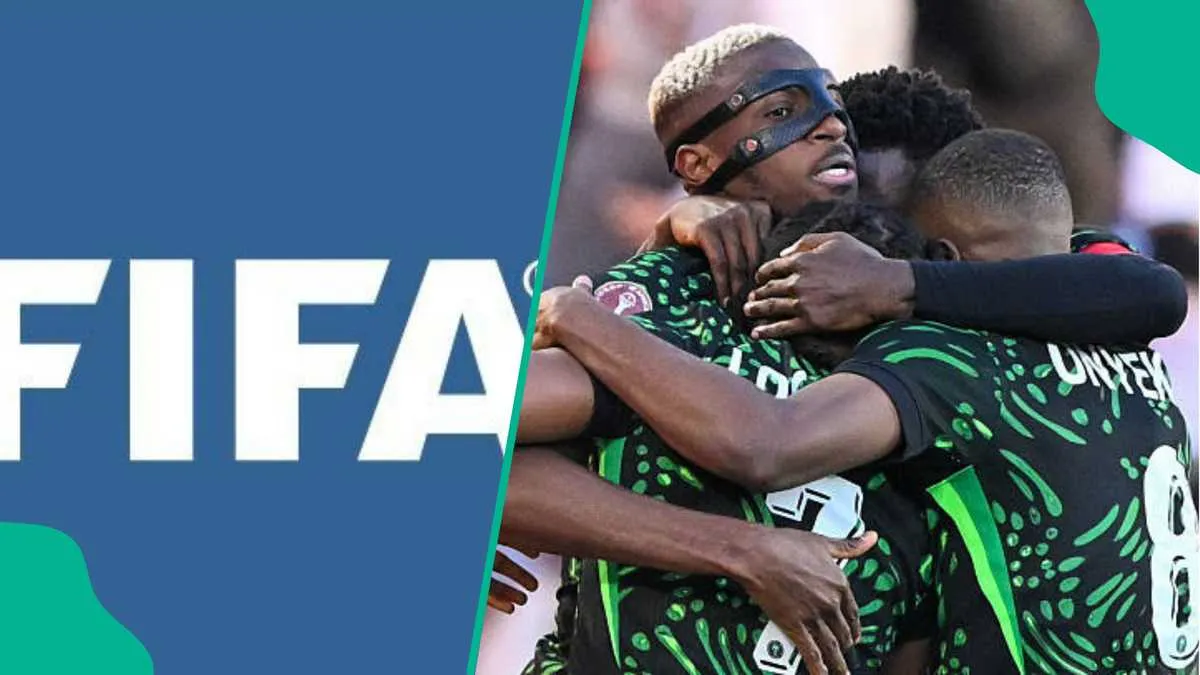
The Nigerian Football Federation (NFF) has secured a measure of vindication in its long-running dispute with DR Congo over the use of ineligible players in World Cup qualifying, but the fallout from Nigeria’s exclusion from the 2026 World Cup shows no signs of abating. Internal FIFA documents—reviewed by independent sources—reveal that the governing body’s legal team identified the irregularities in March, well before DR Congo’s intercontinental playoff against Jamaica, yet no disciplinary action was taken. The result was DR Congo’s qualification, while Nigeria’s Super Eagles were denied a place in the tournament, a decision that has now sparked a full-scale review of the process.
The NFF’s official response is both defiant and pragmatic. A top official from the National Sports Commission has stated that Nigeria is ‘exploring all options,’ including a formal demand for compensation from FIFA to cover the economic losses incurred by the exclusion. Beyond financial recourse, the federation is pushing for the case to be reopened entirely, arguing that the latest revelations raise systemic questions about how FIFA handles such disputes. The timing could not be more explosive: with the 2026 World Cup just months away, the controversy threatens to overshadow the tournament’s opening and cast further doubt on the fairness of qualifying campaigns.
The implications extend far beyond the immediate compensation debate. Former Nigeria international Etim Esin has publicly questioned the competence of the national team’s technical department, a sentiment echoed by other voices within the football community. The resignation of the NFF’s leadership—already under scrutiny—has only intensified calls for a complete overhaul of Nigerian football’s governance. Solomon Dalung, a prominent figure in the sport, has demanded structural reforms, framing the DR Congo controversy as a symptom of deeper systemic failures that have plagued the Super Eagles’ recent campaigns.
What remains unclear is whether FIFA will entertain Nigeria’s demands. The governing body has thus far maintained a stance of procedural neutrality, yet the exposure of internal knowledge gaps—where legal teams were aware of the irregularities but took no action—has created a credibility crisis. For Nigeria, the stakes are personal: the Super Eagles’ reputation hangs in the balance, and the federation’s ability to rebuild trust with fans and stakeholders will depend on how this dispute is resolved. One thing is certain: the case has already forced a reckoning, and the next chapter in Nigerian football’s story will be written under intense scrutiny.



