

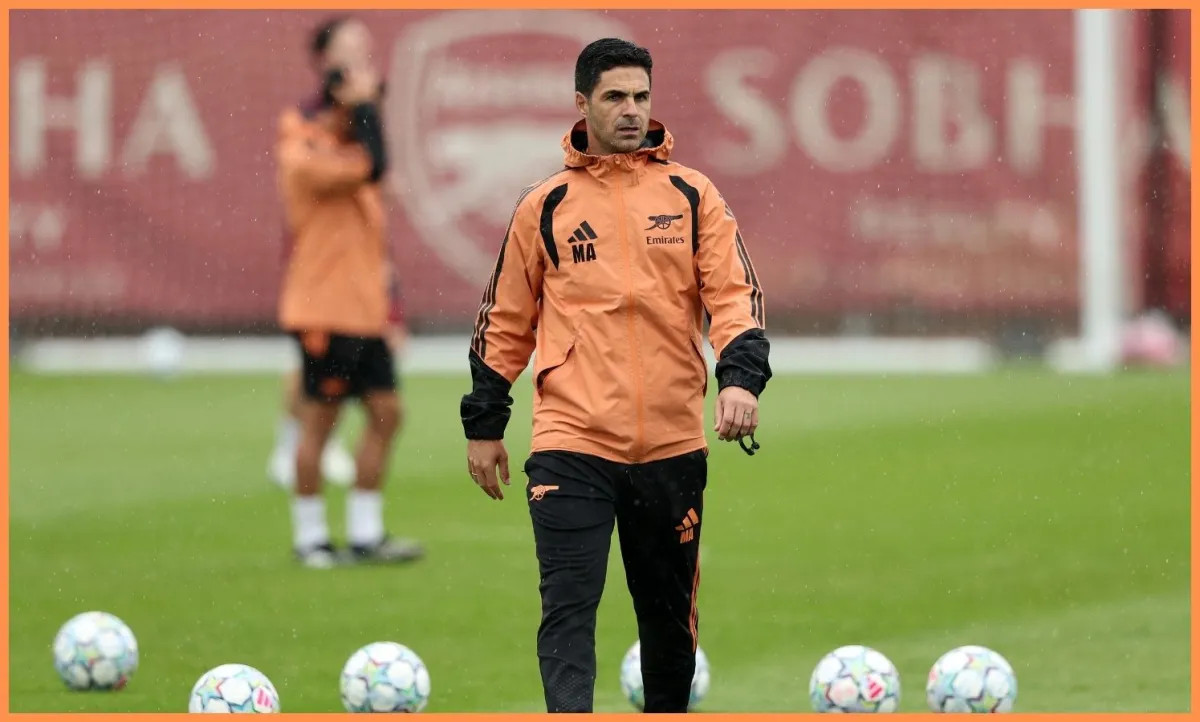
Mikel Arteta’s commitment to Arsenal until 2030 is more than a contract extension—it is a declaration of intent. The Spaniard, who led the Gunners to their first Premier League title in 22 years, has chosen to remain at the club for the next decade, aligning his future with Arsenal’s ambition to become a sustained force in English football. His words, delivered with characteristic humility, carry weight: *’This club is unique, its character and the way it makes you feel.’* Those sentiments reflect not just personal loyalty but a tactical philosophy that has reshaped Arsenal’s identity. Under Arteta, the club has transitioned from a project in flux to a title-winning machine, and this extension ensures that evolution continues without interruption.
The timing of this move is strategic. Arteta’s previous contract expired in 2027, but the new deal—secured in the wake of last season’s triumph—solidifies his role as the architect of Arsenal’s next phase. His backroom staff’s renewals, already in progress, reinforce the club’s intent to retain its core leadership. The Premier League title was the culmination of years of rebuilding, but Arteta’s vision extends beyond one season. His emphasis on building a *dynasty* is not empty rhetoric; it is a tactical imperative. The club’s recent Champions League resurgence and FA Cup victory under his stewardship prove he understands how to balance ambition with pragmatism. Now, with the financial and managerial stability of this extension, Arsenal can focus on refining their system—one that blends defensive solidity with attacking fluidity—without the distraction of managerial uncertainty.
The ripple effects of this decision are immediate. Captain Martin Ødegaard, the linchpin of Arsenal’s midfield, is expected to follow Arteta’s lead by signing a new contract. His loyalty to the club, both on and off the pitch, has been unwavering, and his extension would further anchor the squad’s leadership. Ødegaard’s role in last season’s title run—his creativity, vision, and ability to dictate tempo—was instrumental, and his long-term commitment would ensure Arsenal retains its creative engine. Beyond Ødegaard, the club’s core players, from Bukayo Saka to Declan Rice, will now have the confidence of knowing their manager and captain are locked in for the next four years. This stability is critical as Arteta prepares to navigate the challenges of defending the title while pushing for deeper Champions League runs.
Tactically, Arteta’s extension also provides the flexibility to refine his system without the pressure of short-term managerial transitions. His approach—rooted in high pressing, positional play, and defensive organization—has been honed over years of adaptation. The new contract allows him to experiment with squad rotations, youth integration, and even potential tactical tweaks without the looming threat of departure. The Premier League’s competitive intensity demands constant evolution, and Arteta’s decade-long tenure ensures Arsenal can evolve at its own pace. The club’s recent nomination for the Ballon d’Or’s ‘Best Club’ award for 2026 underscores its growing prestige, and this extension cements Arsenal’s status as a title contender for years to come.
For the supporters, this is more than a contract—it is a vote of confidence in a manager who has delivered when it mattered most. Arteta’s ability to unite a squad, manage egos, and extract peak performances from players of varying experience is unmatched. His words about the club’s *character* resonate because they reflect a reality: Arsenal’s recent success is not built on fleeting moments but on a culture of resilience and collective effort. With Arteta at the helm until 2030, the Gunners now have the blueprint for sustained dominance. The question is no longer *if* they can repeat as champions, but *how* they will do it—and whether they can build on this foundation to claim more trophies in the years ahead.



